

Skip to content
FacebookInstagram
Swanston Farm Logo Swanston Farm Logo
  • Home
    • History
    • Swanston Village
  • The Farm
  • Brasserie
  • Cottages
  • Offices
  • Livery
  • Things to do
    • Walking
    • Mountain Biking
    • Exmoor Pony Trekking
    • Golf
  • Events
    • Brasserie Events
    • Outdoor Events
      • Ultra Tour of Edinburgh
      • Salomon Trail Running Festival
      • Ultra Tour of Edinburgh
      • Pentland Push
      • The Redbull Mountain Biking “Foxhunt”
    • TV, Film, Radio & Fashion
      • Matt Baker: Travels with Mum & Dad
      • LS Productions atop Swanston Farm
      • Channel 4’s ‘The Piano’ comes to Swanston Farm
      • Alexei Sayle & Oxford Films at Swanston Farm
      • The Greatest Dancer
      • Fashion on the Farm!
      • VisitScotland & Fifty Films
    • On the Farm
      • Scottish Rural Awards
    • The Future
      • Pentland Trail Centre
  • Contact
  • Home
    • History
    • Swanston Village
  • The Farm
  • Brasserie
  • Cottages
  • Offices
  • Livery
  • Things to do
    • Walking
    • Mountain Biking
    • Exmoor Pony Trekking
    • Golf
  • Events
    • Brasserie Events
    • Outdoor Events
      • Ultra Tour of Edinburgh
      • Salomon Trail Running Festival
      • Ultra Tour of Edinburgh
      • Pentland Push
      • The Redbull Mountain Biking “Foxhunt”
    • TV, Film, Radio & Fashion
      • Matt Baker: Travels with Mum & Dad
      • LS Productions atop Swanston Farm
      • Channel 4’s ‘The Piano’ comes to Swanston Farm
      • Alexei Sayle & Oxford Films at Swanston Farm
      • The Greatest Dancer
      • Fashion on the Farm!
      • VisitScotland & Fifty Films
    • On the Farm
      • Scottish Rural Awards
    • The Future
      • Pentland Trail Centre
  • Contact
Loading...
The Farmadmin2025-12-01T18:33:44+00:00
ABOUT US

ABOUT US

Swanston Farm is a family-run farm, which has been farmed by the same family since the 1930's, but has infact been known as a farm for over 700 years.  It was first mentioned in history books in AD1214 and nestles into the base of Caerketton Hill, one of the most striking peaks in the Pentland Hills Regional Park. Within just 6 miles of Edinburgh City Centre and boasting 700 acres of land, Swanston Farm is just a 25 minute bus journey from Princes Street and Edinburgh Castle, offering a fantastic proximity to visitor to Edinburgh.  You can read more about its history here.

Over the last 35 years, Swanston Farm has evolved through many changes, diversifying from arable and livestock farming to more leisure-based, conservation and commercial aspects – and now boasts 6 beautiful self-catering holiday cottages, business lets, a Brasserie which commands stunning views in all directions, a livery yard and residential lets.  The Farm also owns an 18 hole golf course, a 9 hole short course and a driving range, run by Swanston Golf Ltd.

Access to Swanston Farm is just off the Edinburgh City Bypass at either Dreghorn or Lothianburn junctions. Why not visit our Brasserie and enjoy a hearty, freshly cooked breakfast and reviving hot drink and contemplate the day ahead looking out over the panoramic view.

Opening Hours

Swanston Farm is open from 9.30am until 4pm daily.  Please respect the privacy of our community, including the village and remember that this is our home.

Please note that during winter, it gets dark at around 1500hrs (3pm).

Visiting us

Swanston Farm is not a petting farm, which means that we don't have animals contained in petting pens.  We own a fold (Scottish term for 'herd') of Highland Cows which we use for Conservation Grazing to help us manage the land.  Please see the 'Highland Cows' section about visiting our farm.

The feeding of our Highland Cows or any animals at Swanston Farm is strictly forbidden.

The feeding of our animals can make them very sick or even kill them.  Please do not bring any food with you for the Highland Cows or any other animals – this includes carrots or apples.  Do not throw any food items into the field with the Highland Cows or any other animals.

Do not try and touch any of our Highland Cows and remain at a distance of at least 10 metres.

The Pentland Hills Regional Park

Enjoyed by mountain bikers, hikers, horse riders, families and those who simply want to breathe in the fresh air, take in the stunning vista and explore the natural habitat. Home to many communities of wildlife, the Pentland Hills Regional Park will delight, surprise and challenge you. Feel the rocks under your feet and let the tracks and paths take you exploring.

Easily accessed by foot, it really couldn't be easier or quicker to stride out into the fantastic landscape. Shaped over thousands of years by glaciers and water, the geology of the Pentland Hills Regional Park comprises mainly of 390 million-year-old Devonian Old Red Sandstone and outcrops of fossil-rich Silurian rock. With nearly 25,000 acres of countryside, including over 100km of paths, there is always something new to explore. There is an Edinburgh Council car park right next to Swanston Brasserie for your convenience.

Take a look at the Pentland Hills Regional Park website for more information about the area, including routes and trails, activities and events.
Geology in and around Swanston

If you are interested in the Geology of the Pentland Hills and surrounding Edinburgh and Lothian areas, visit the Edinburgh Geological Society's website where you can read about the fascinating beginnings of the area dating back millions of years, find out about their excursions and events, local geoconservation groups and how to become a member.  You can also download a variety of free leaflets, including the 'Pentland Rocks' leaflet.

For an Edinburgh city centre visit, an absolute must on your list is the famous 'Mr Wood's Fossils' shop in the Grassmarket – run by owner and geologist Matt Dale, who took over the business from founder and 'celebrity' Palaeontologist Stan Wood, this shop is an absolute treasure trove of global artefacts that you can look at and purchase.

If you love walking or hiking and want to explore the Pentland Hills, head over to the Friends of the Pentlands website, where you can learn about the 'Pentland Way'; an incredible way-marked 32km route that runs from Swanston Farm to Dunsyre.
SWANSTON FARM OPENING HOURS

SWANSTON FARM OPENING HOURS

Swanston Farm Opening Hours: 9.30am – 4pm daily (except Festive period as below).

WE ARE CLOSED ON CHRISTMAS DAY (THURSDAY 25TH DECEMBER 2025)

WE ARE CLOSED ON BOXING DAY (FRIDAY 26TH DECEMBER 2025)

WE ARE OPEN 10AM – 4PM ON NEW YEAR'S DAY (THURSDAY 1ST JANUARY 2026)

Please note that during winter, it gets dark at around 1500hrs (3pm).

Please respect the privacy of our community and our village and remember that this is our home.  Thank you.

FIND US

FIND US

Address: Swanston Farm Ltd, 111 Swanston Road, Edinburgh, EH10 7DS.

Click here to find us on What3Words: using.coffee.weeks

Click here to find us on Google Maps.

If you take a look at this aerial view of the farm here, you will be able to see it all very clearly which will help you plan your trip.

Travelling by Bus:

Lothian Buses run along Oxgangs Road which is approximately 900 metres away via tarmac road (Swanston Road). This is uphill when approaching from the direction of Oxgangs Road. There is a footpath from Oxgangs Road until the far side of the bridge that goes over the Edinburgh City Bypass, after which the footpath stops. However, there is a stone track that comes off the tarmac road at this point and runs up parallel to the tarmac road all the way up to Swanston Brasserie at the top of Swanston Road.

Bus numbers that stop on Oxgangs Road near to the bottom of Swanston Road include 4, 5, 16, 27, 400 Skylink Airport Bus.

Travelling by car:

When travelling East along the City of Edinburgh Bypass, take the Dreghorn junction, turning left at the top of the slip road, over the next roundabout on to Dreghorn Link, right at the next roundabout on to the B701 (Redford Road) to the T-Junction, turning right on to Oxganges Road, first exit at the mini roundabout, continuing East on Oxgangs Road, then taking the first right on to Swanston Road.  Drive south along Swanston Road (you will see the Pentland Hills straight ahead of you), go over the bridge over the Bypass and stay on the tarmac road towards the big white building at the top of the road ahead of you (that's Swanston Brasserie).  The carpark is on the right just before the Brasserie.

When travelling West along the City of Edinburgh Bypass, take the Fairmilehead junction, turning right at the roundabout at the top of the slip road on to Biggar Road (A702) (travelling North).  Continue over the second roundabout and staying on the Biggar Road, head up the hill towards the crossroads and set of traffic lights.  Take a left here on to Oxgangs Road (travelling East) and take the 2nd road on the left (just after the pedestrian crossing) on to Swanston Road.  Drive south along Swanston Road (you will see the Pentland Hills straight ahead of you), go over the bridge over the Bypass and stay on the tarmac road towards the big white building at the top of the road ahead of you (that's Swanston Brasserie).  The carpark is on the right just before the Brasserie.

Travelling by Plane:

Nearest airport: Edinburgh Airport (this is just 8.61 miles away/14 minutes drive away)

Taxi Companies:

City Cabs.  Tel: (0044) (0)131 228 1211

Festival Cabs.  Tel: (0044) (0)131 551 6777

HIGHLAND COWS

Highland Cows

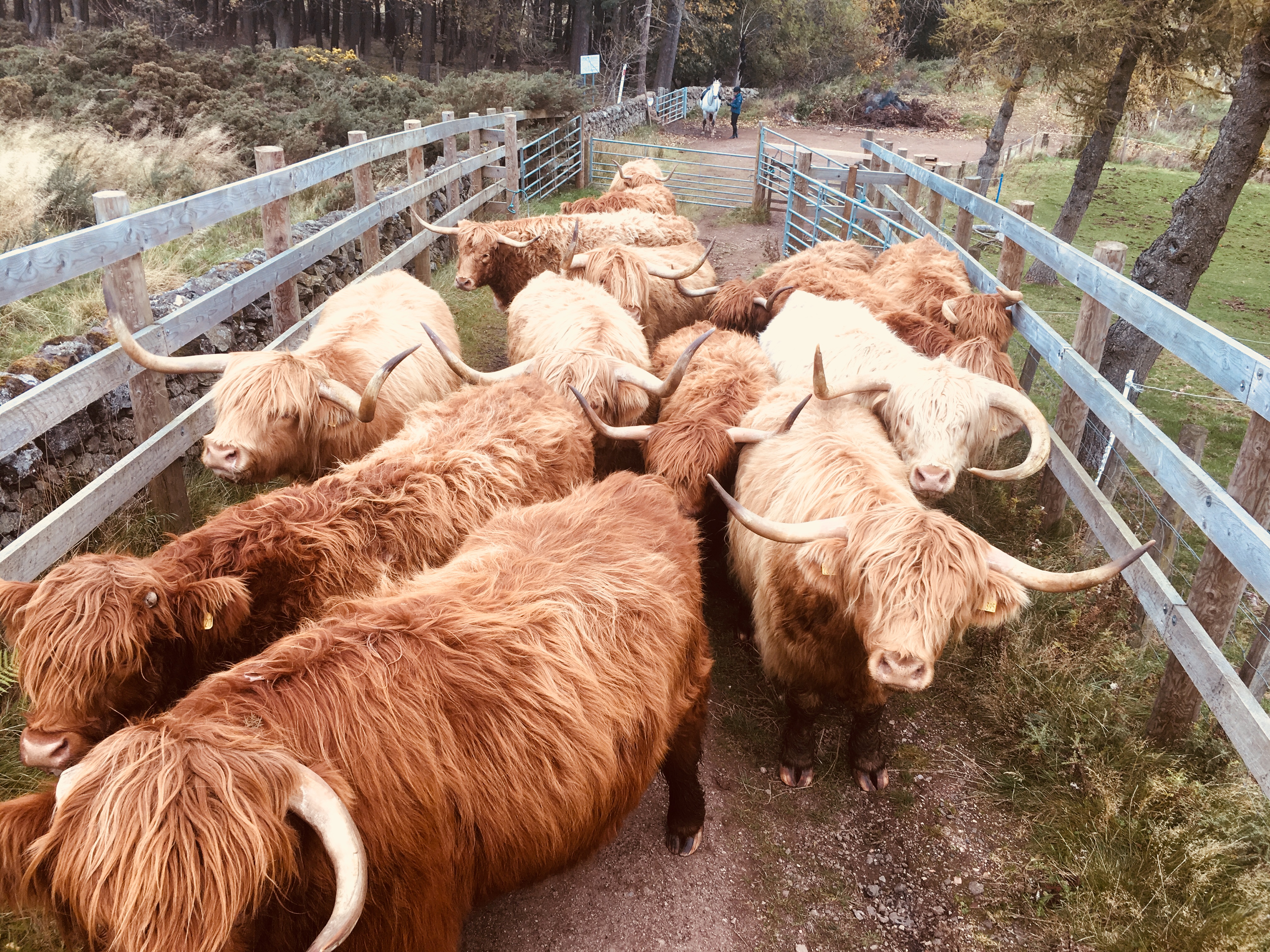
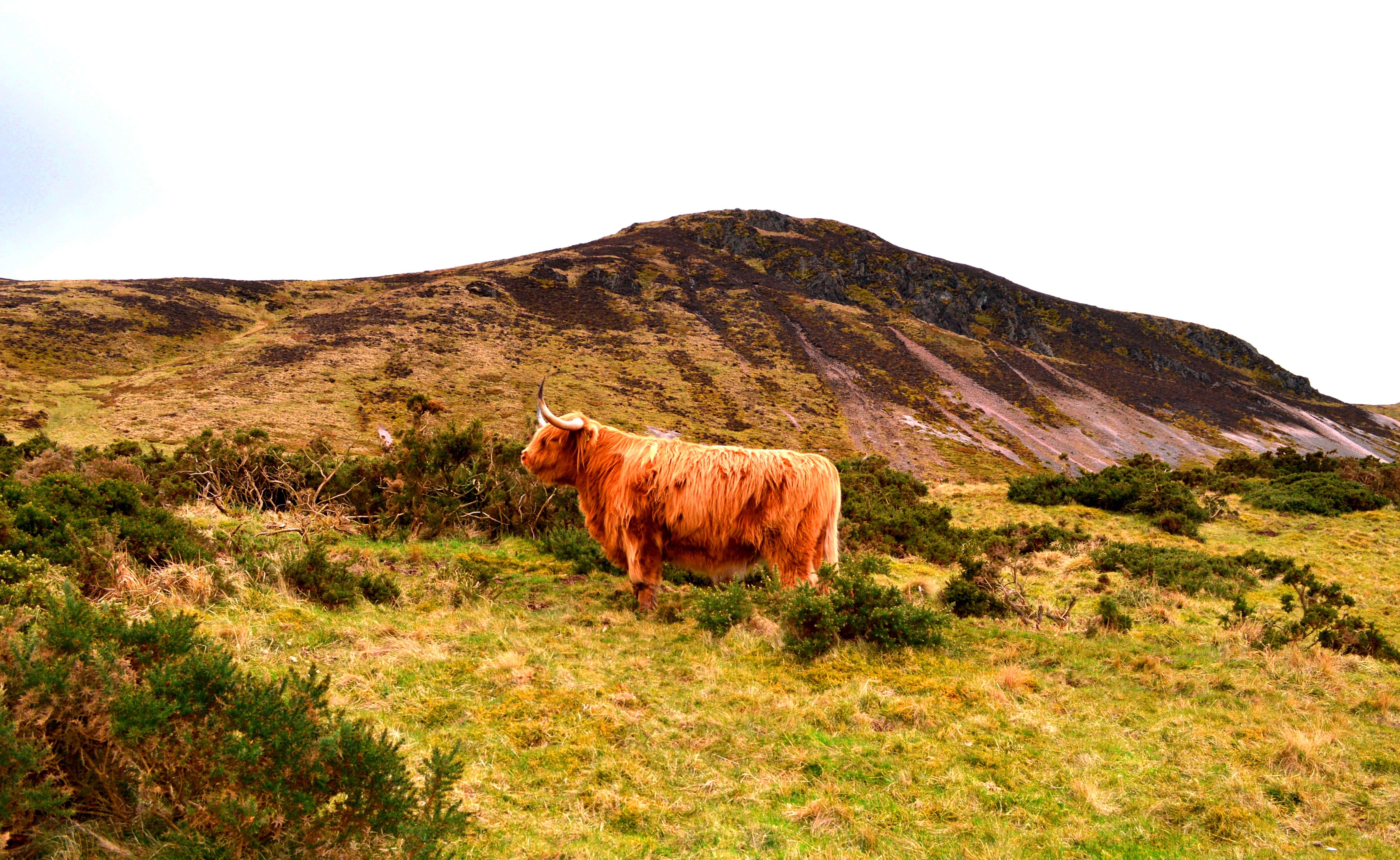
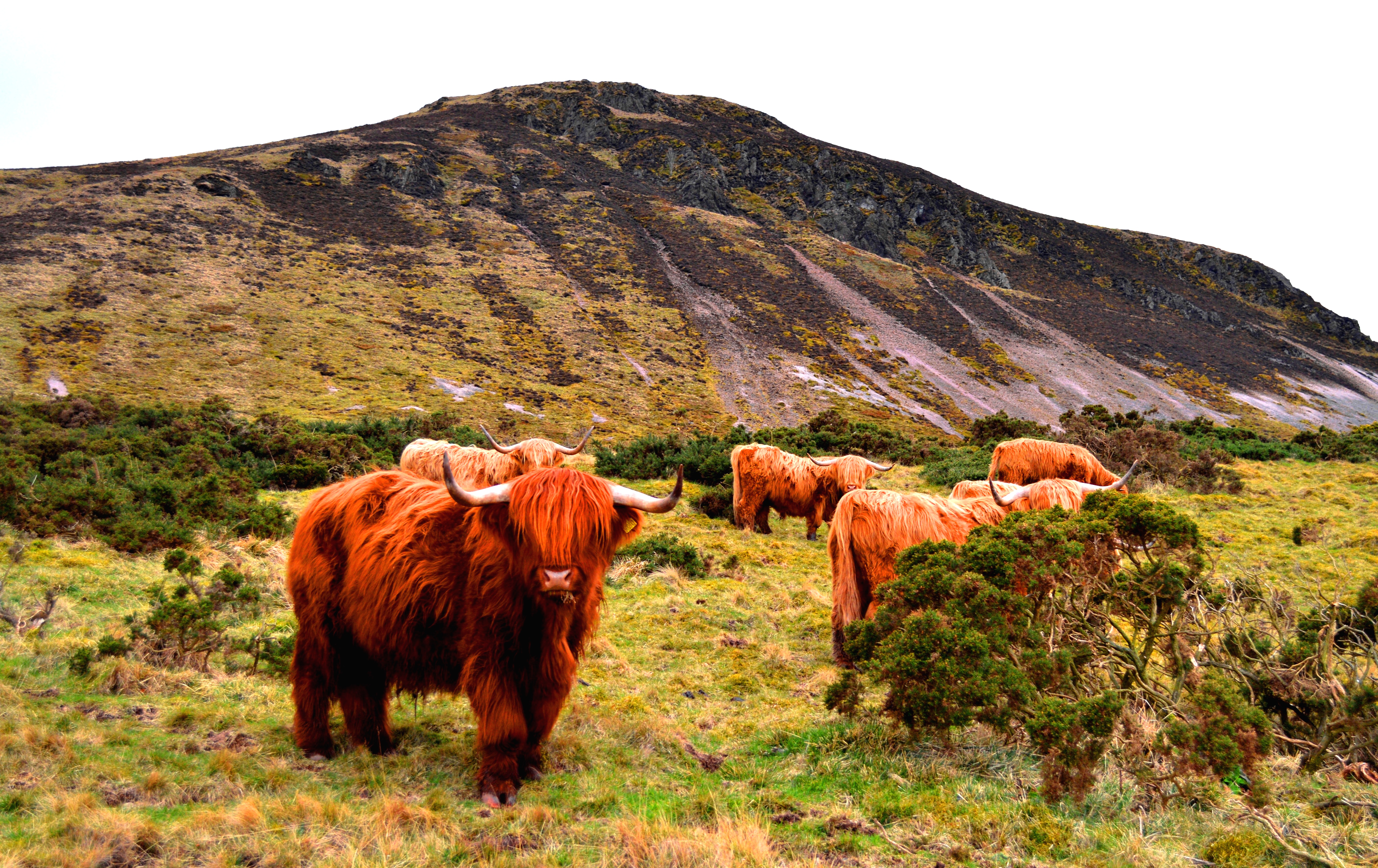
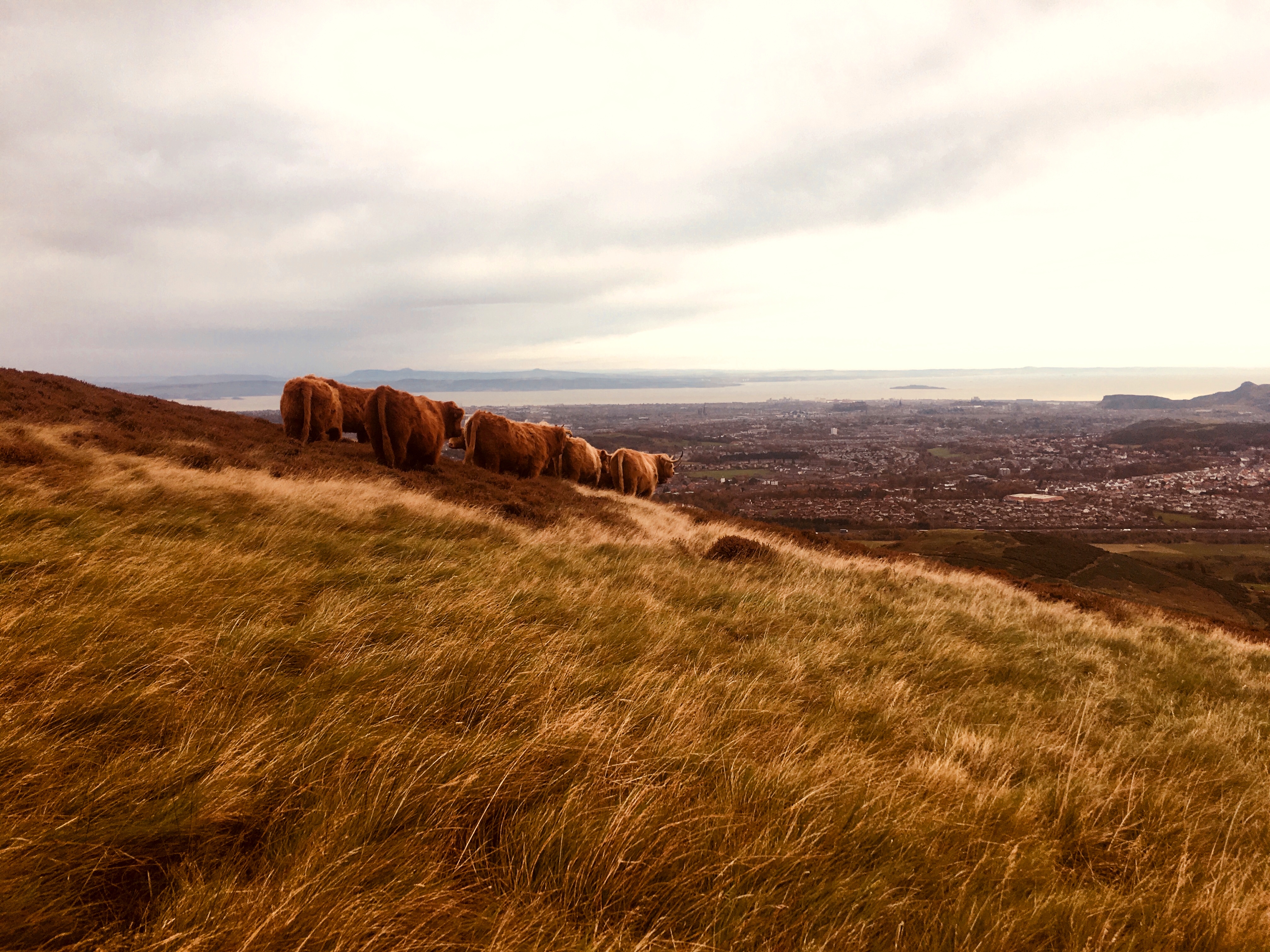
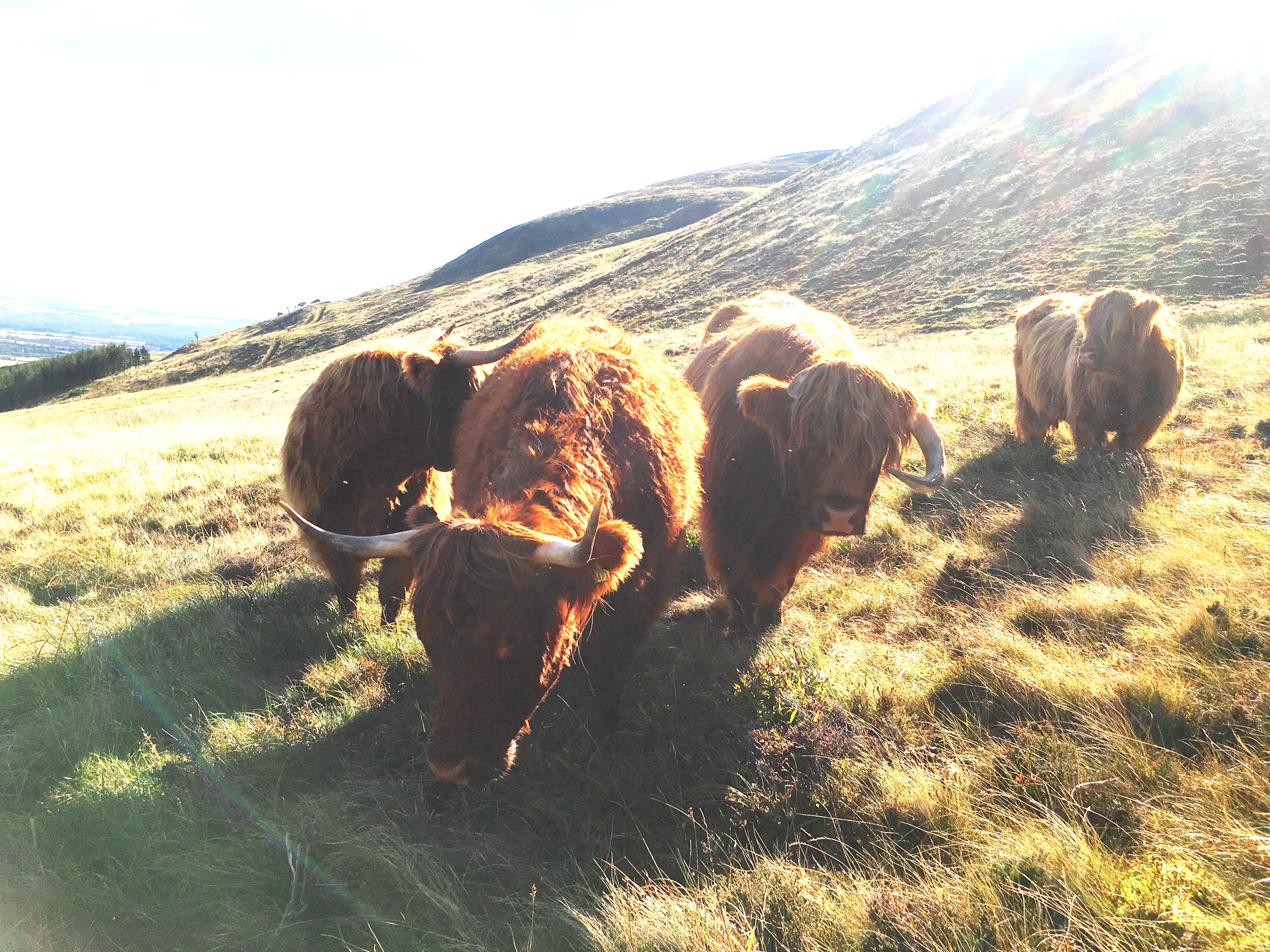
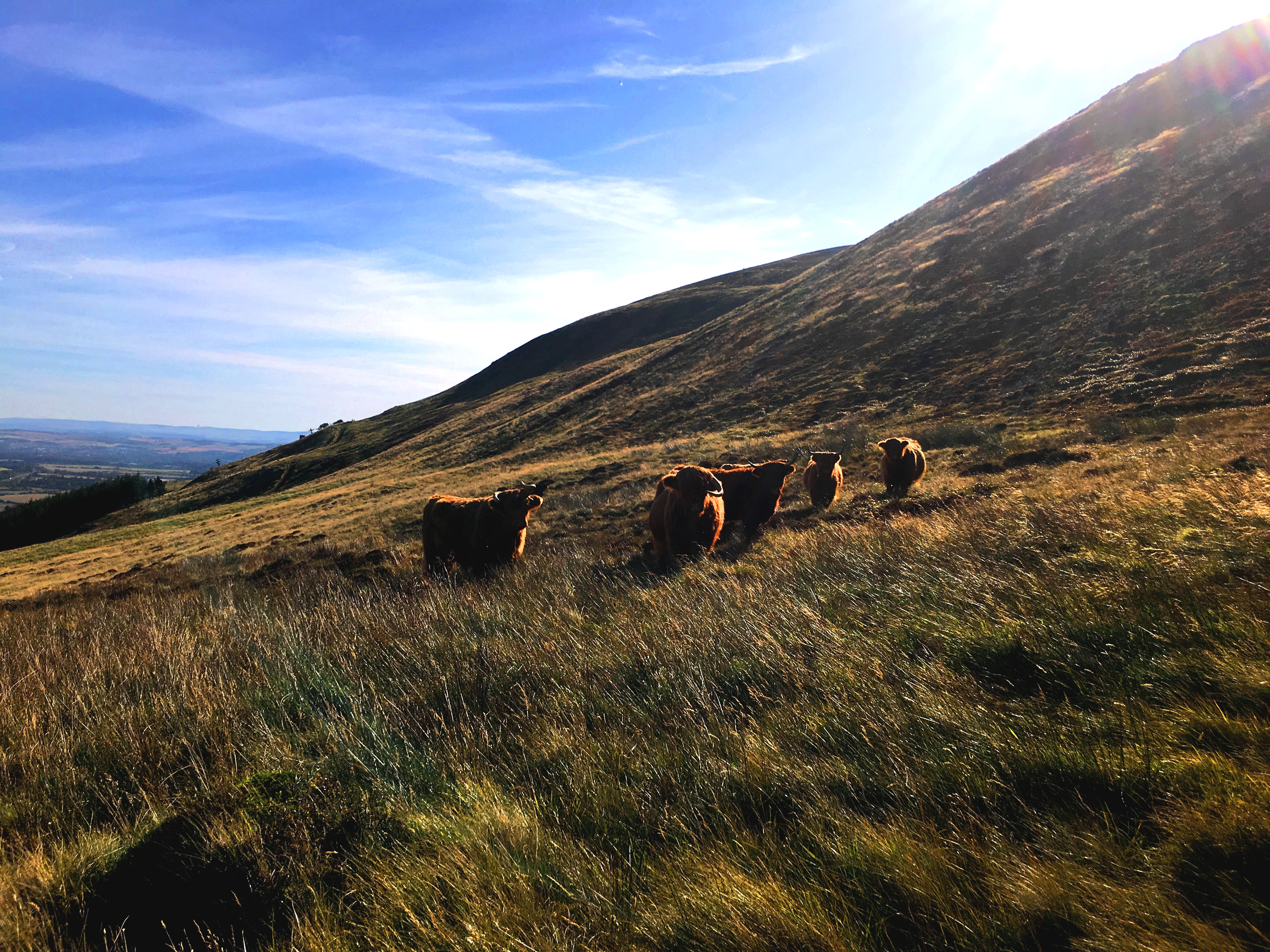
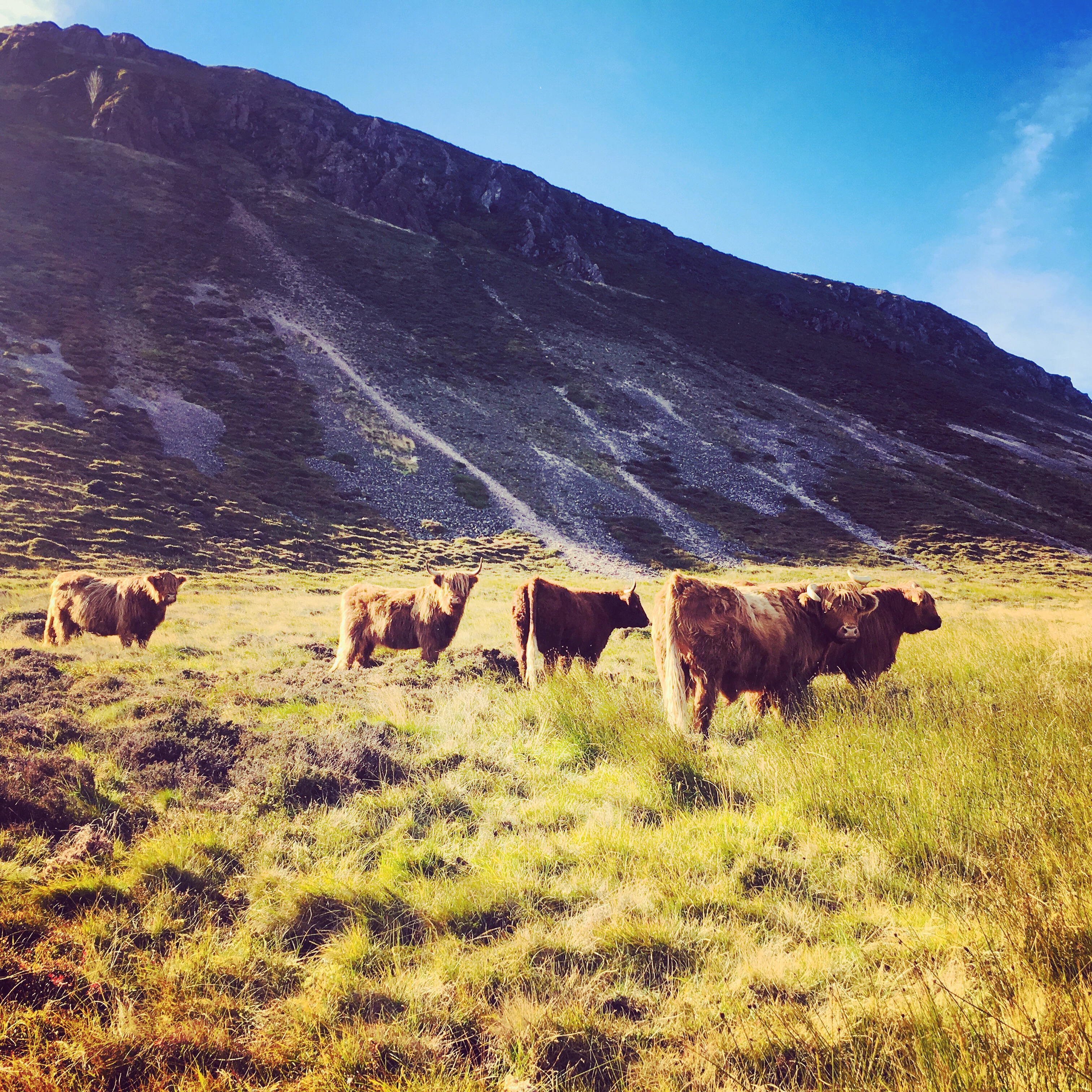
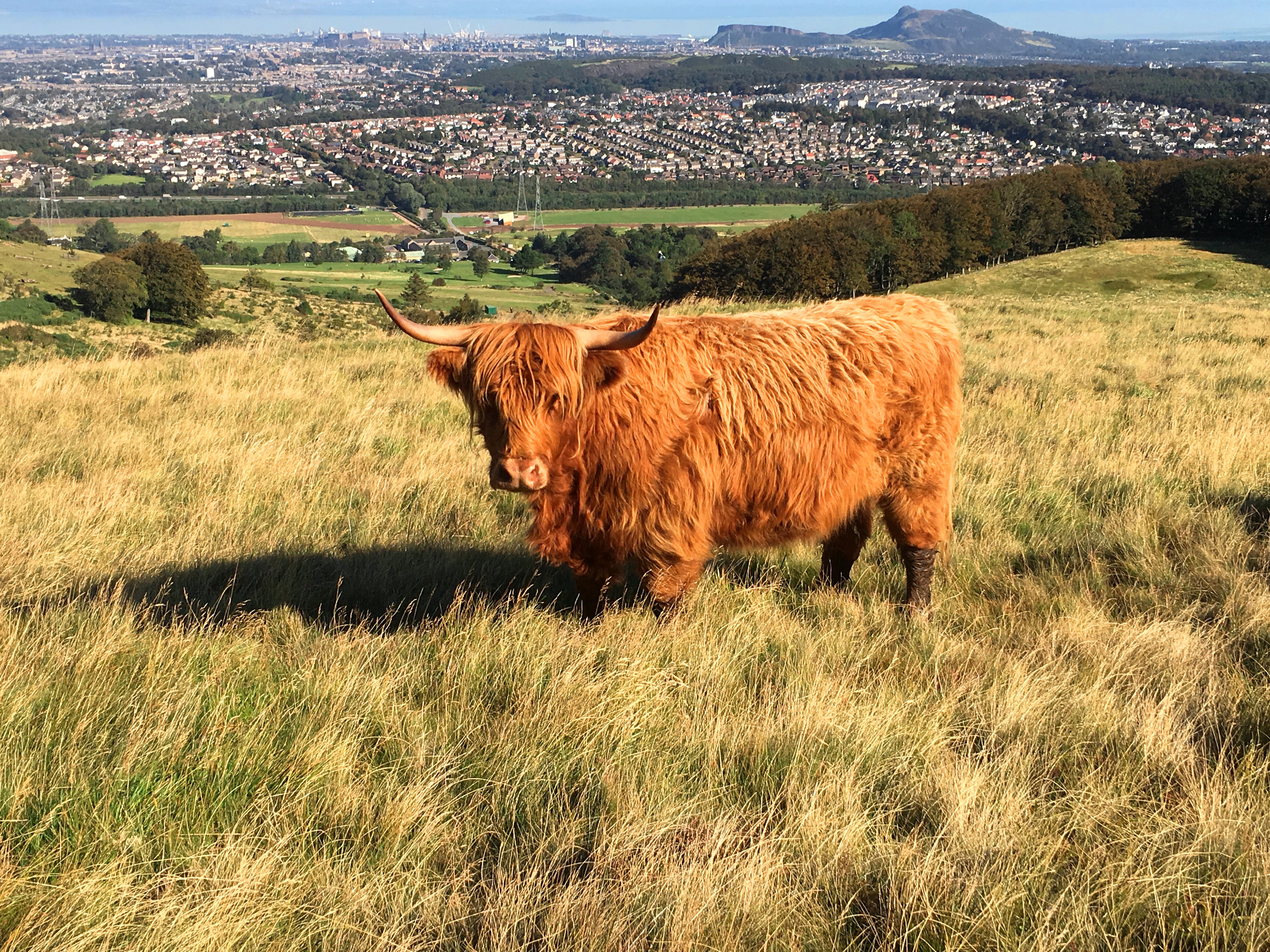
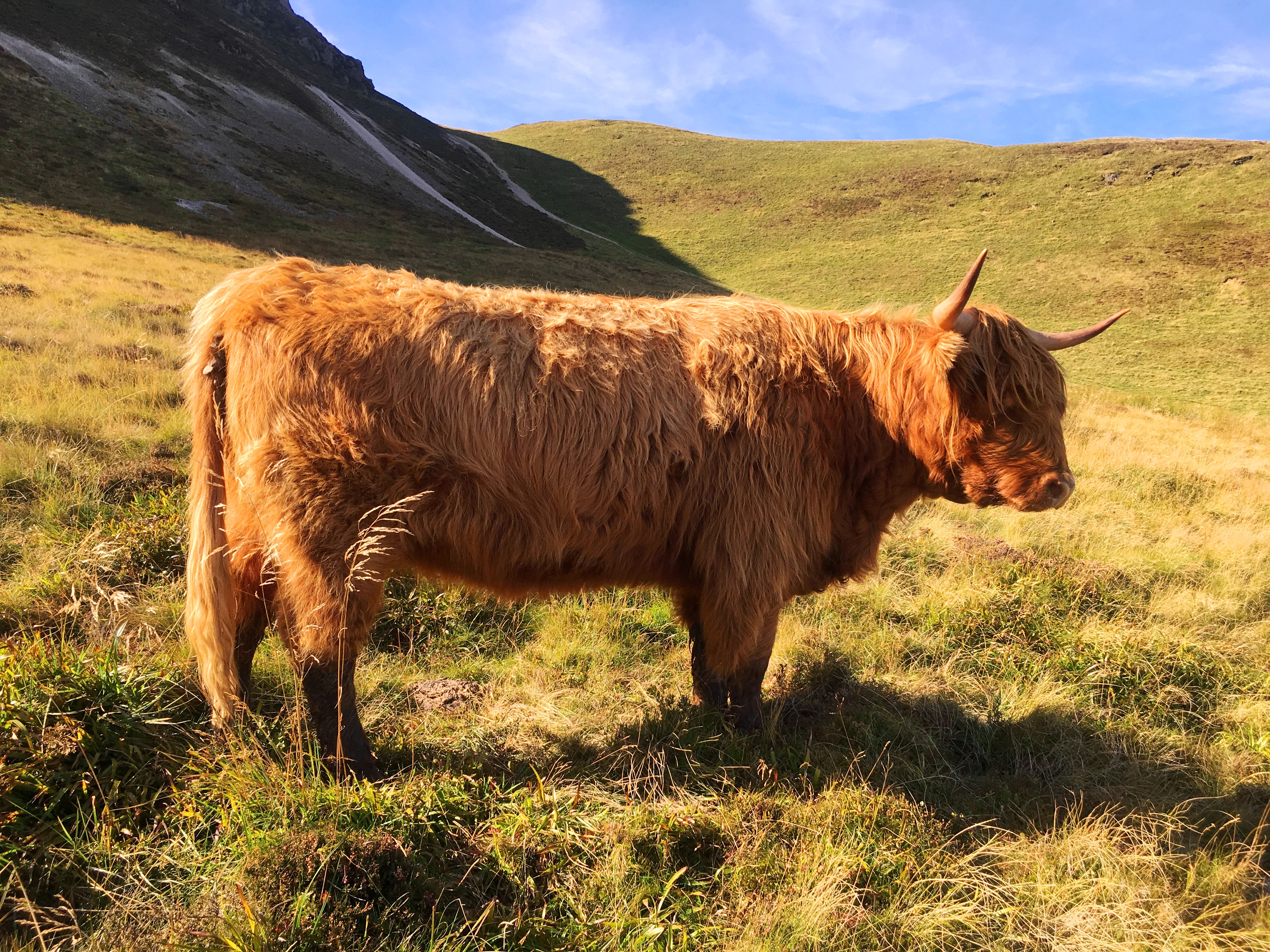
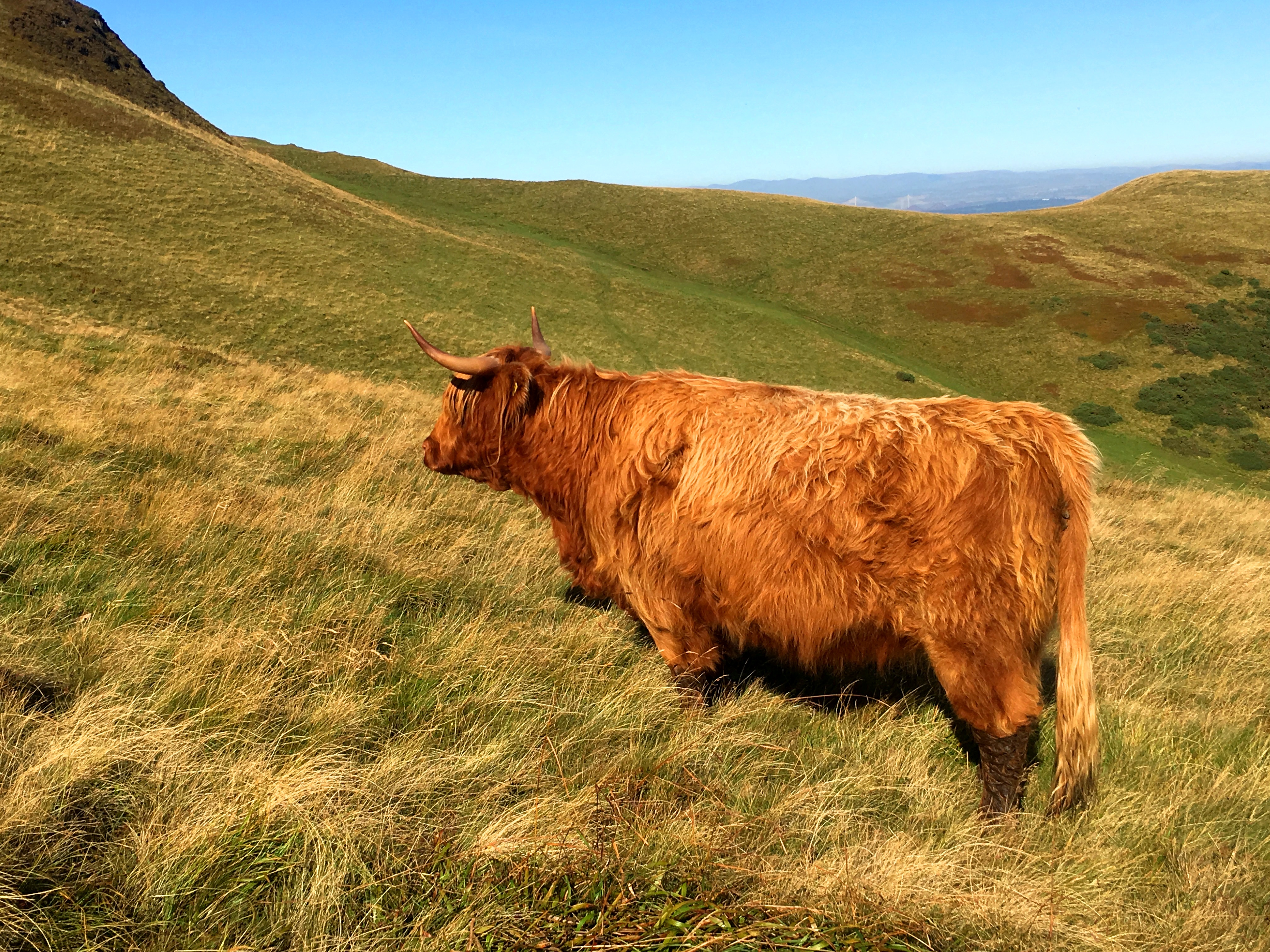
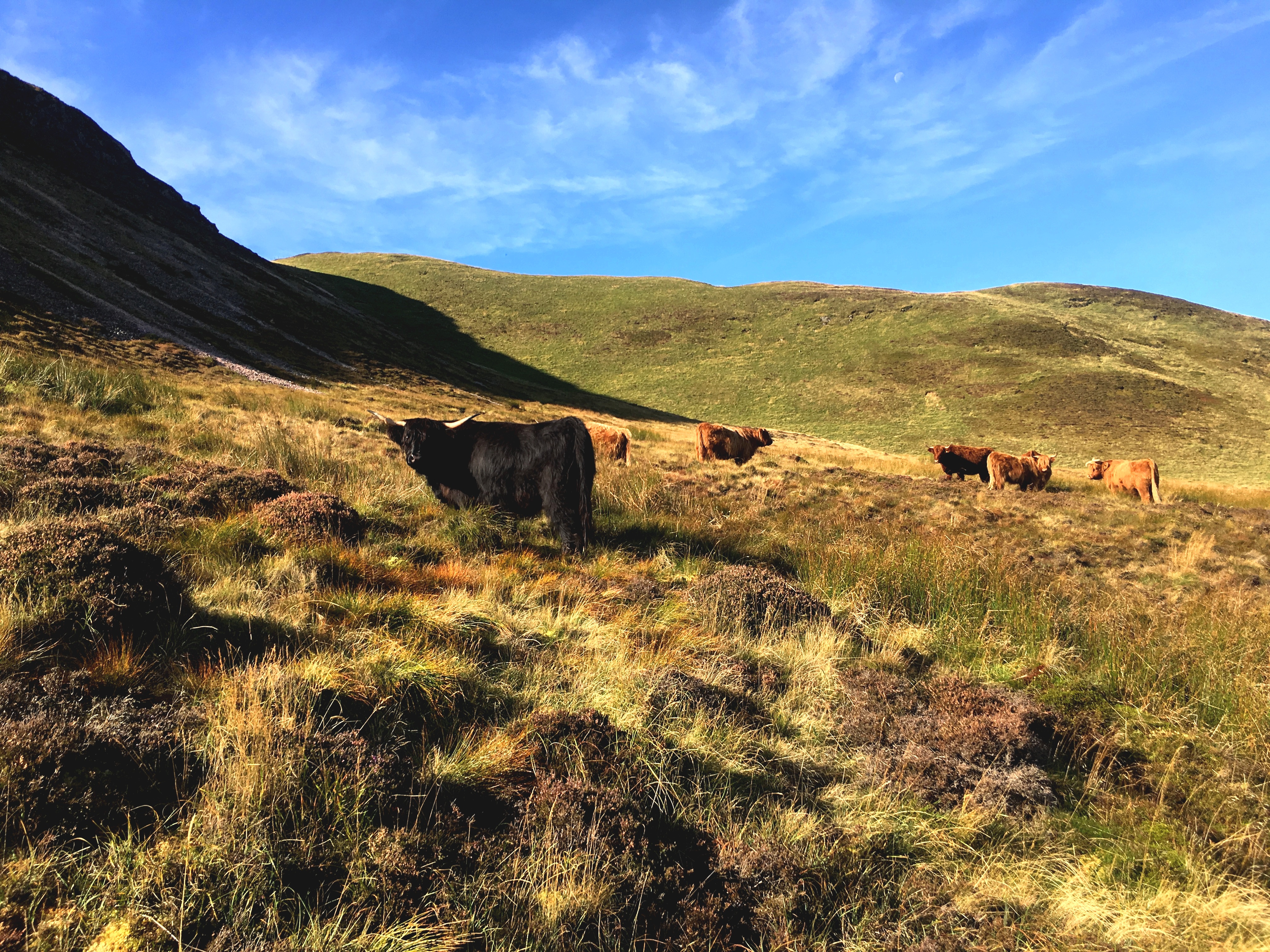
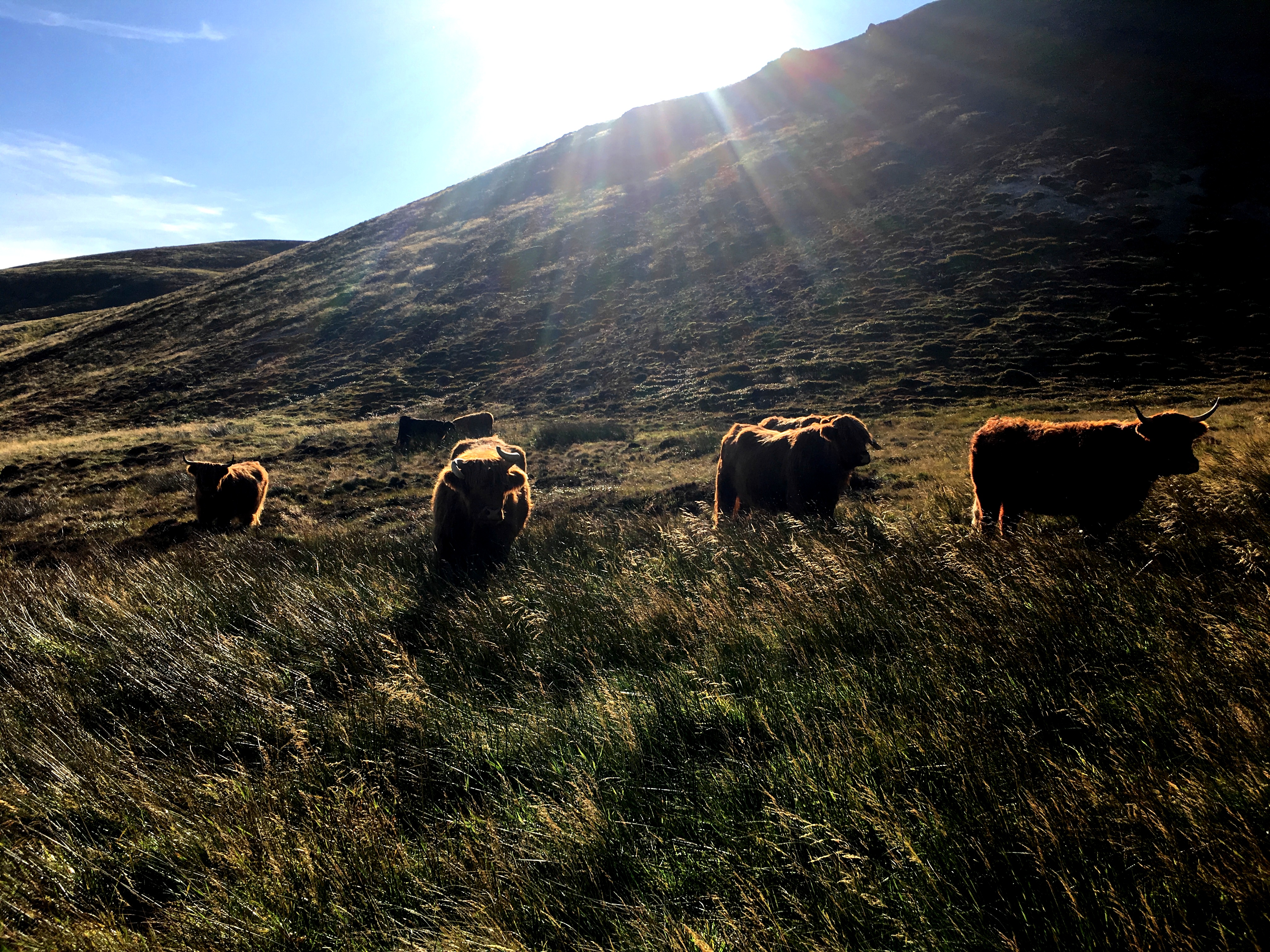
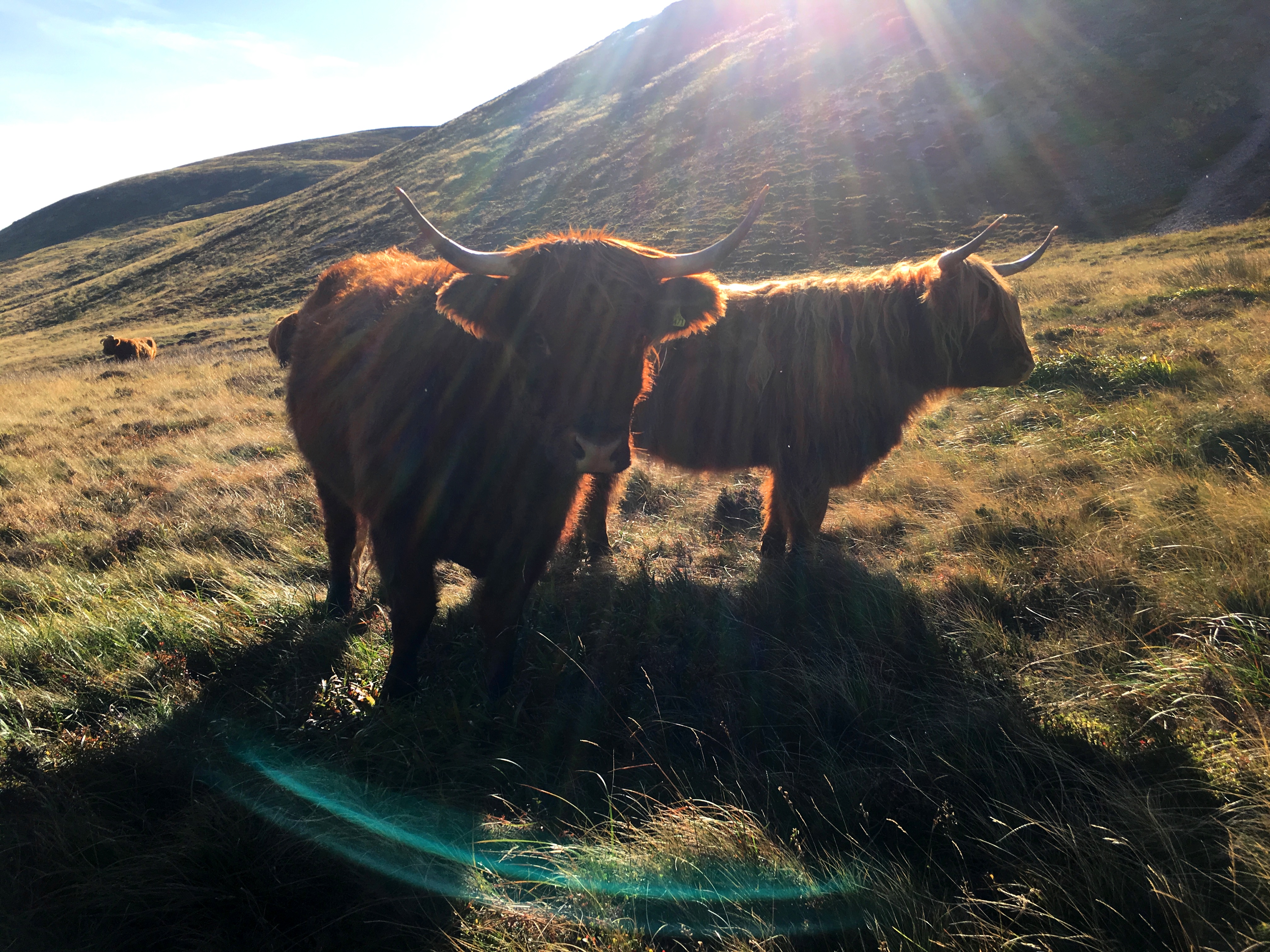
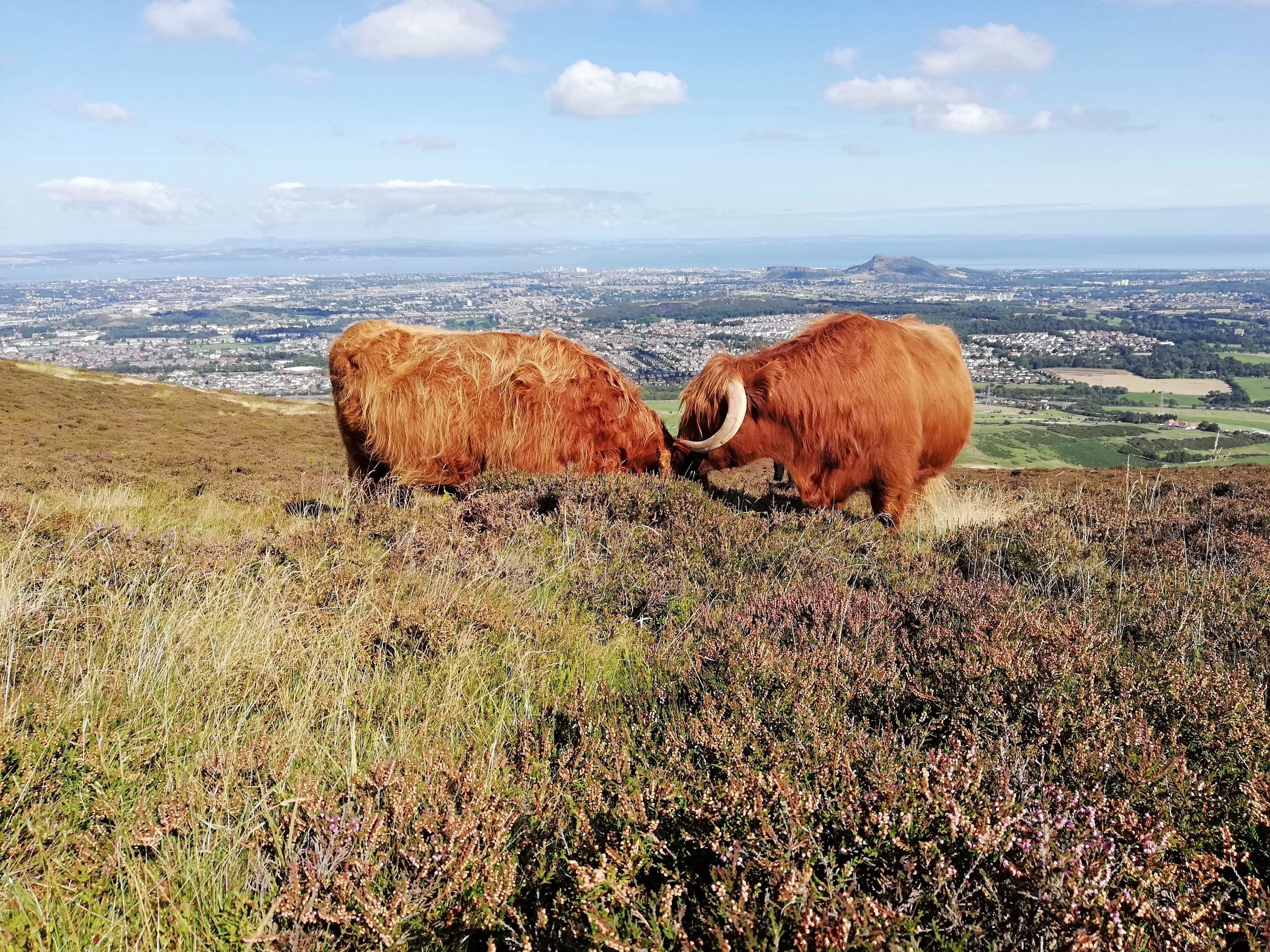
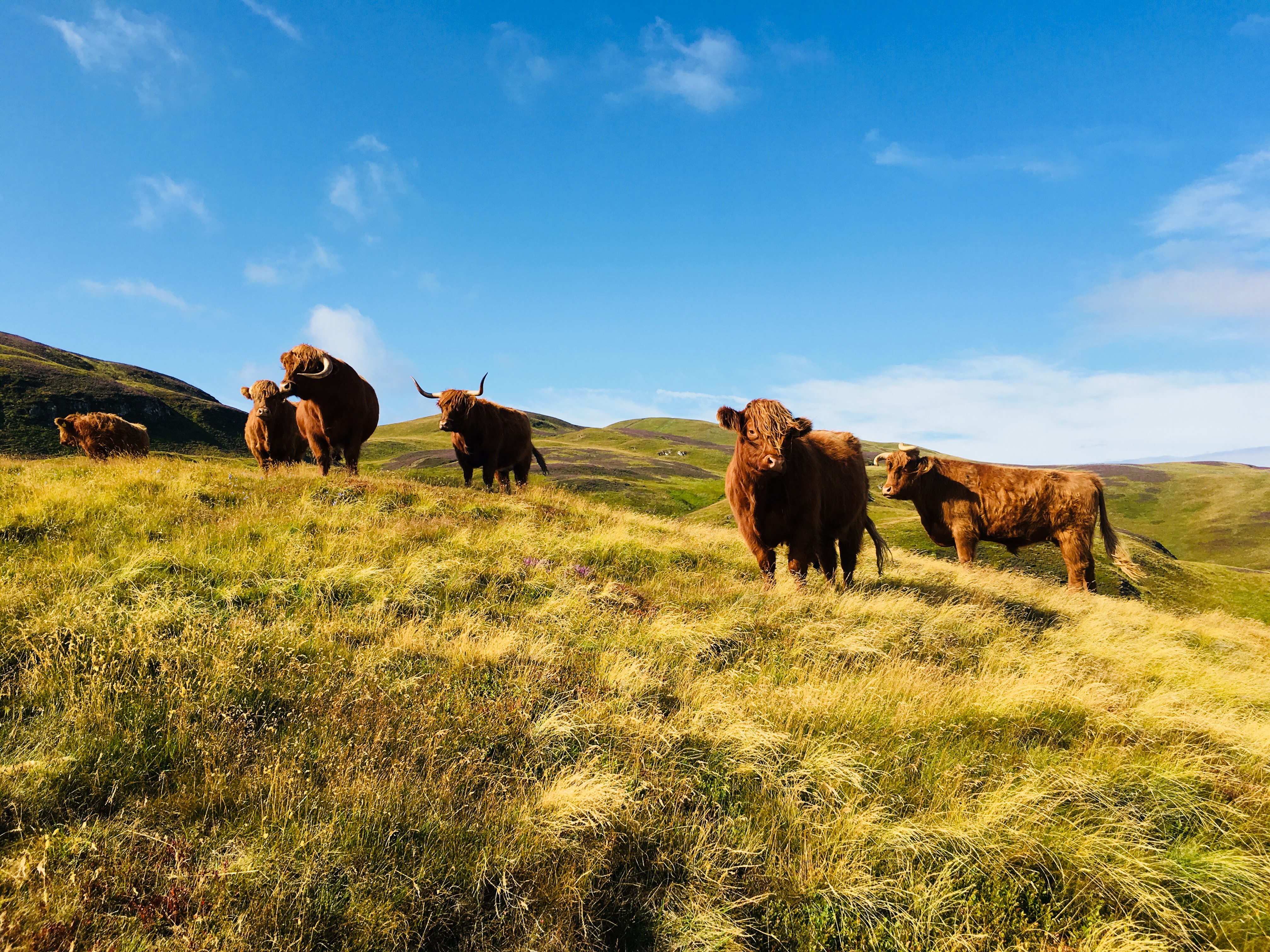
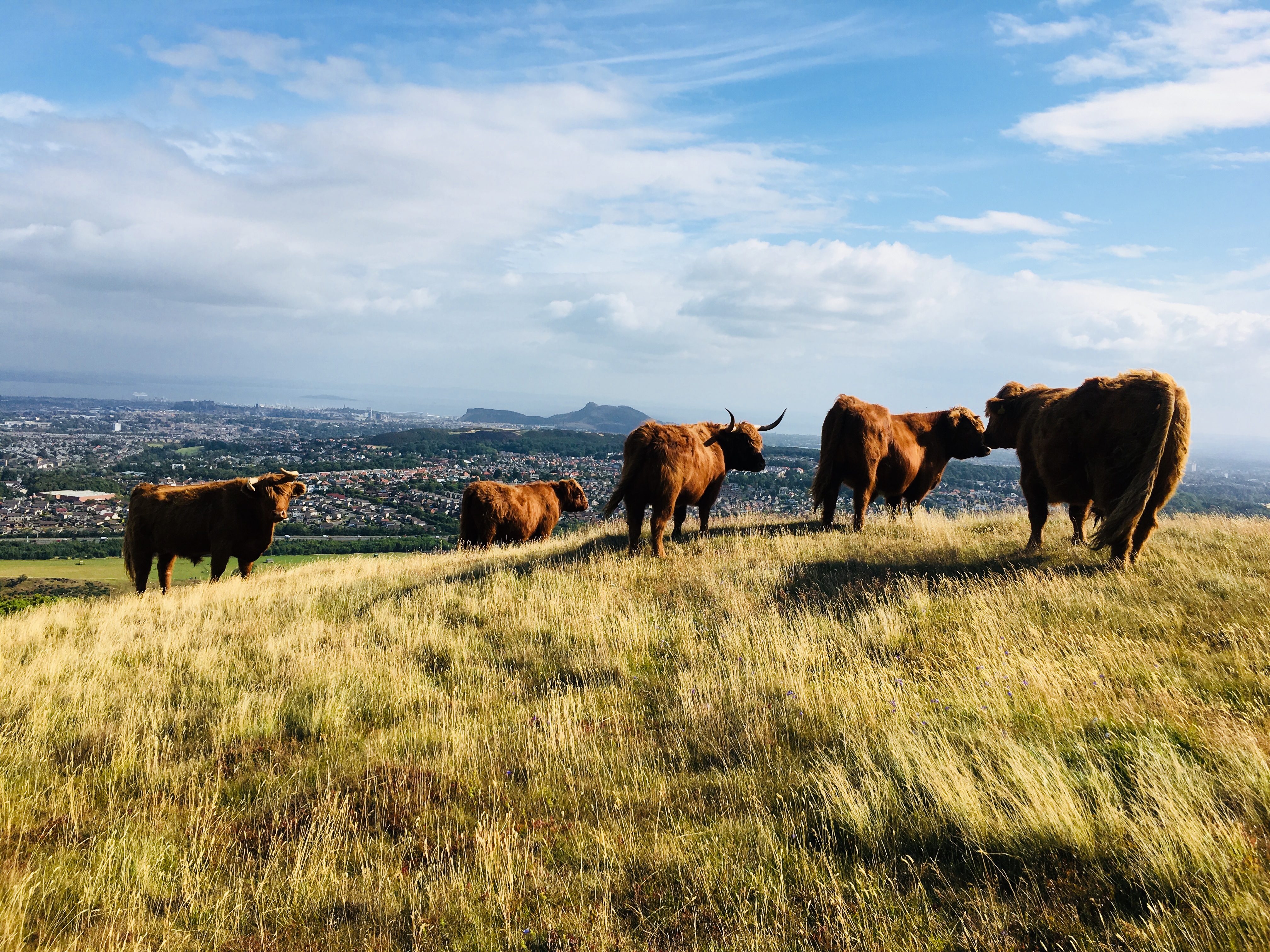
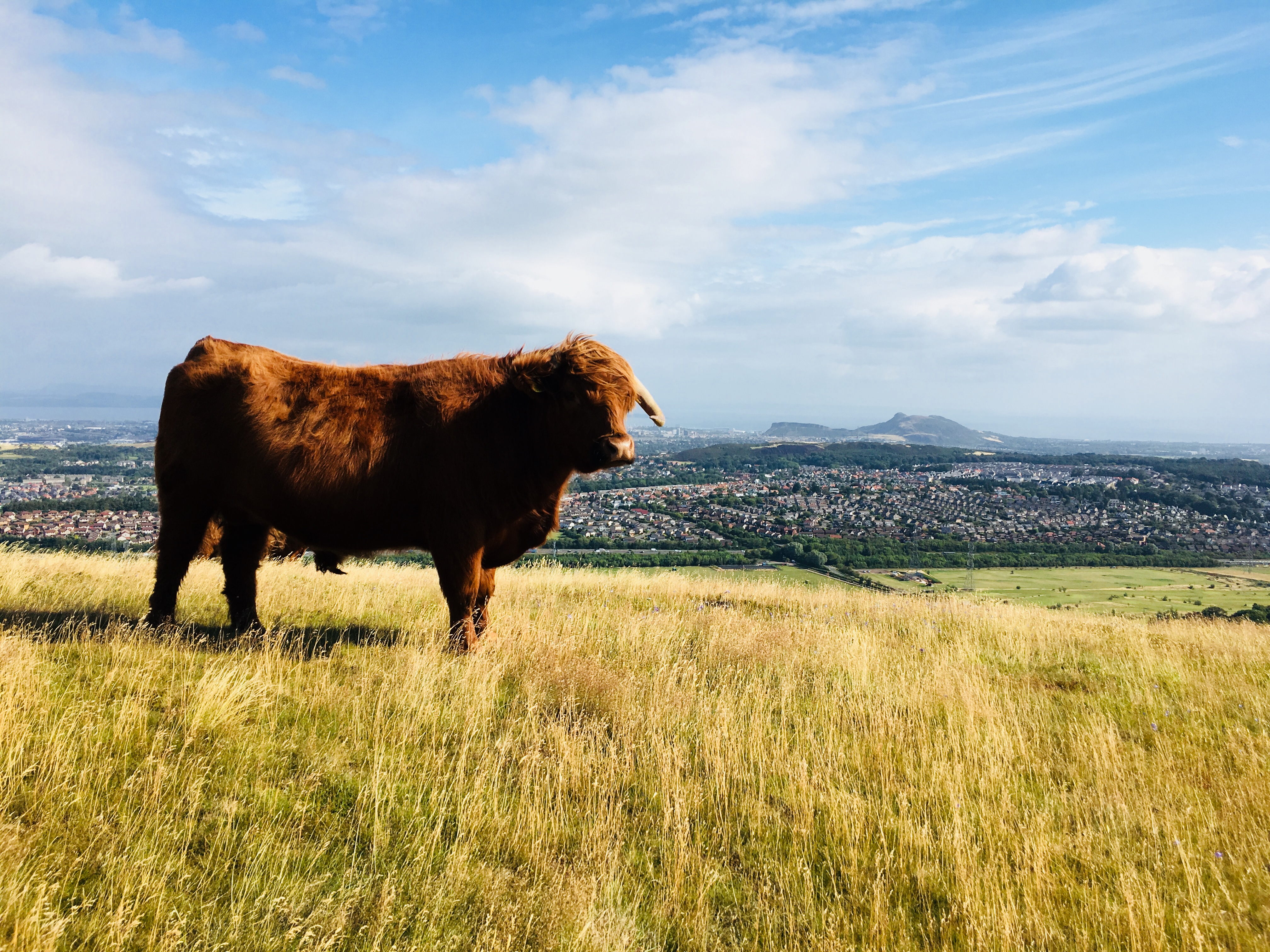
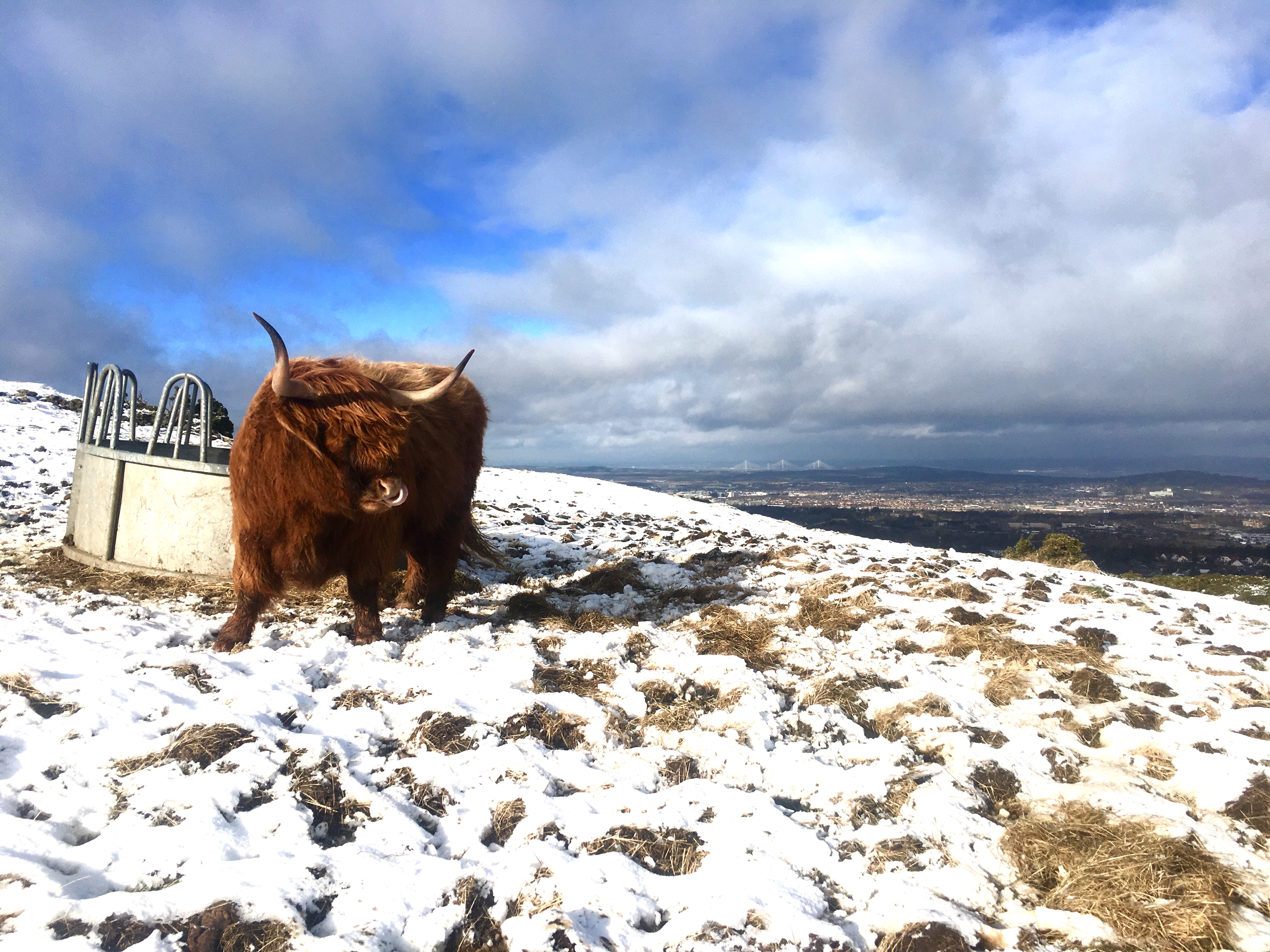
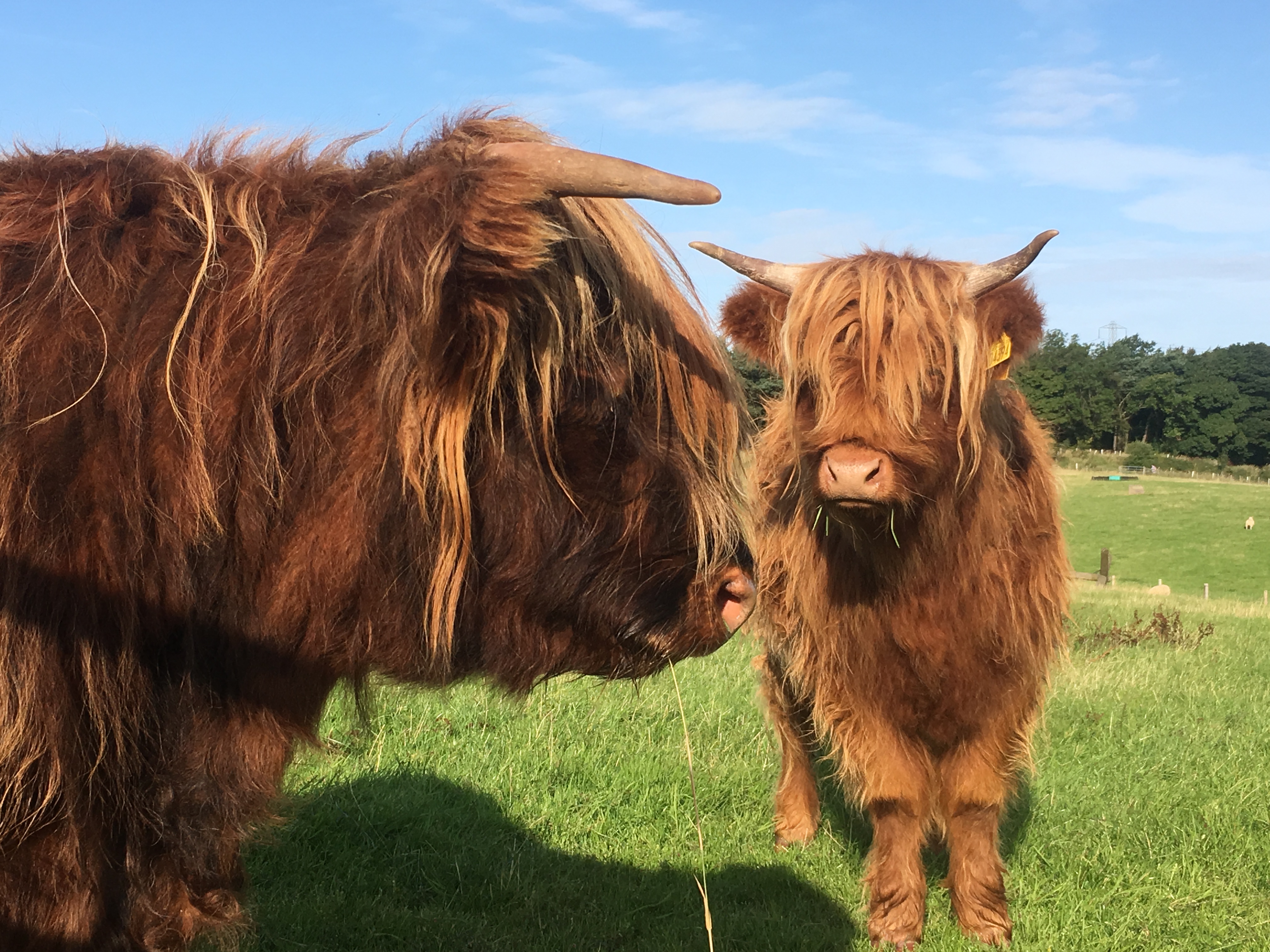
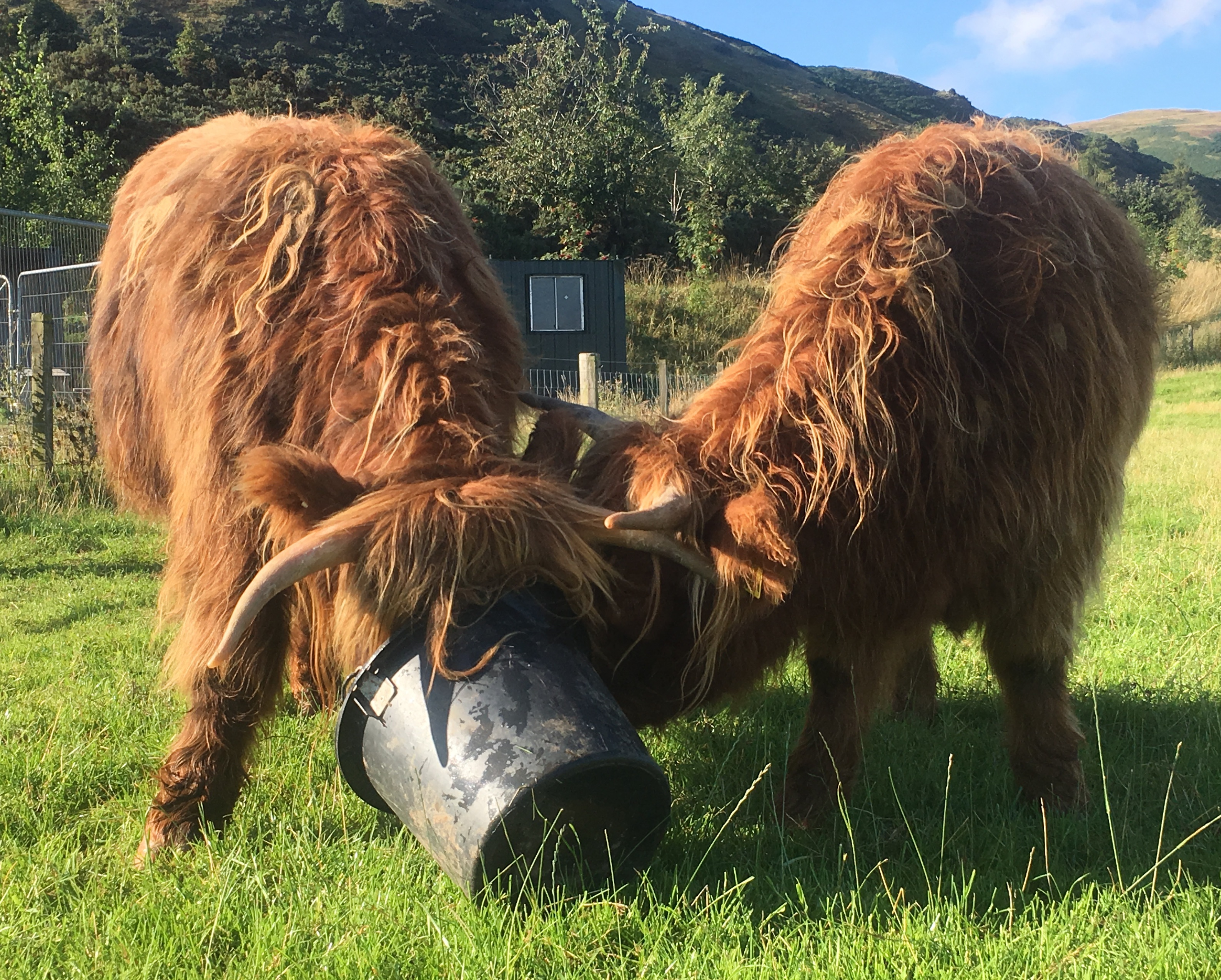
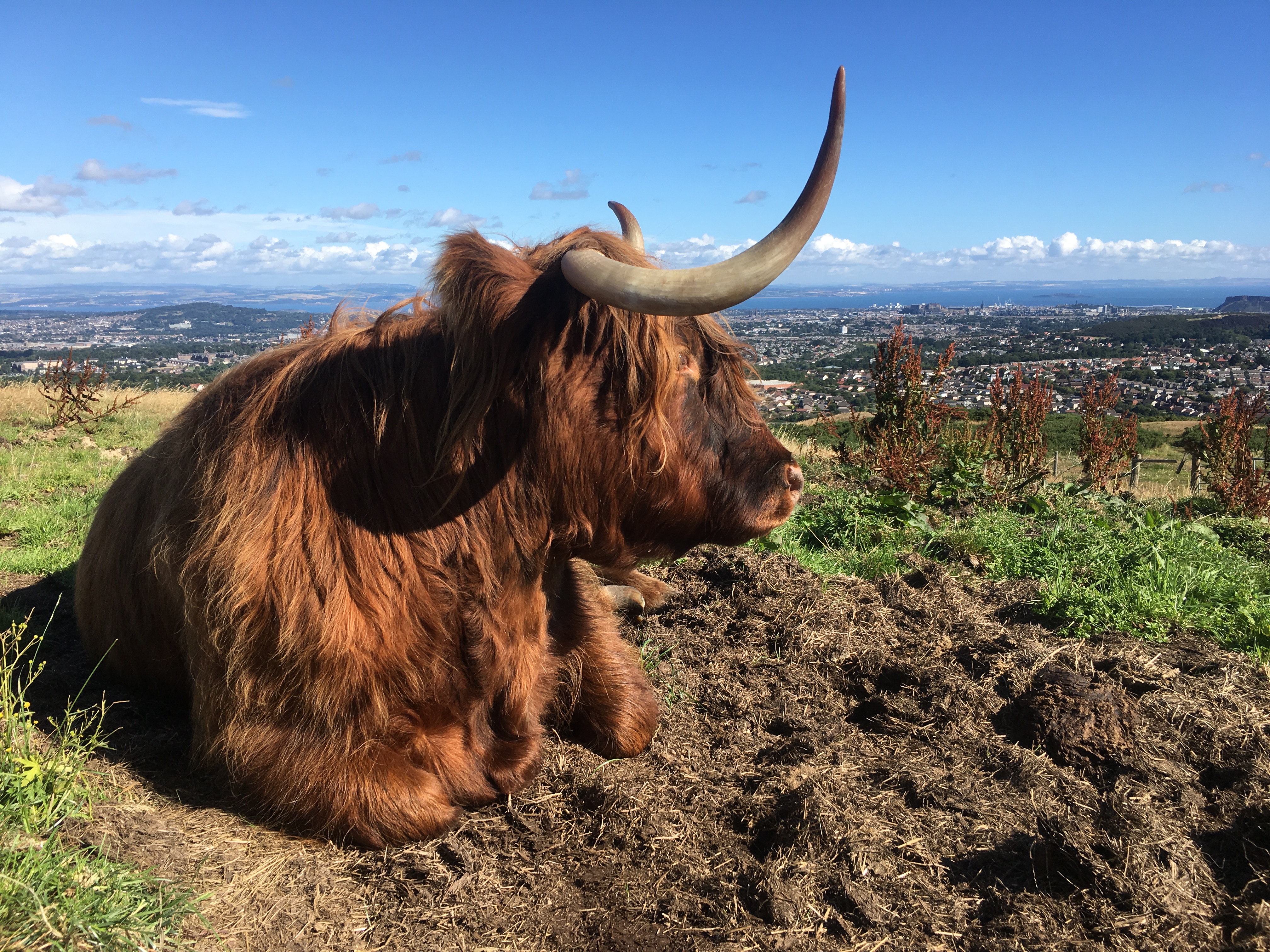
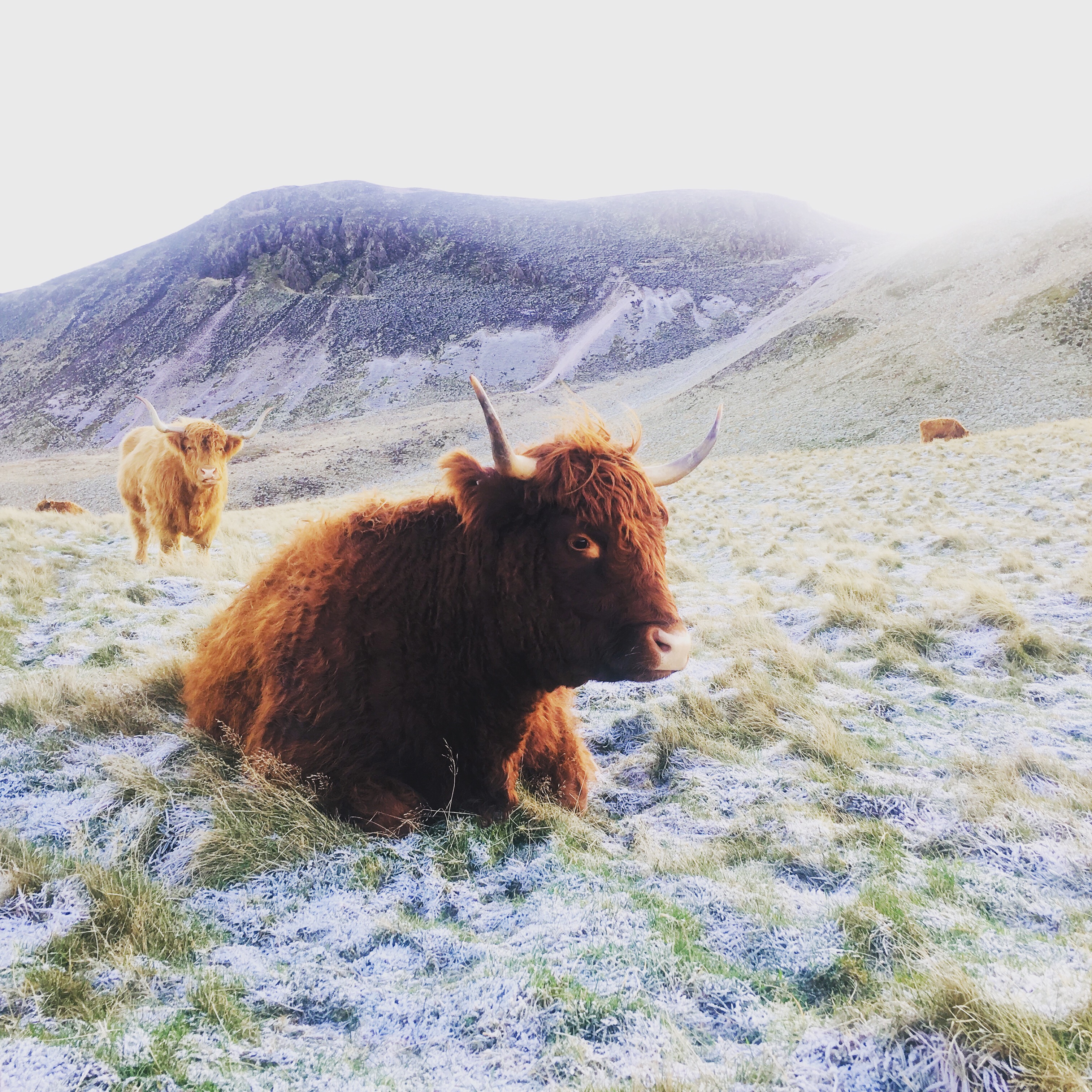
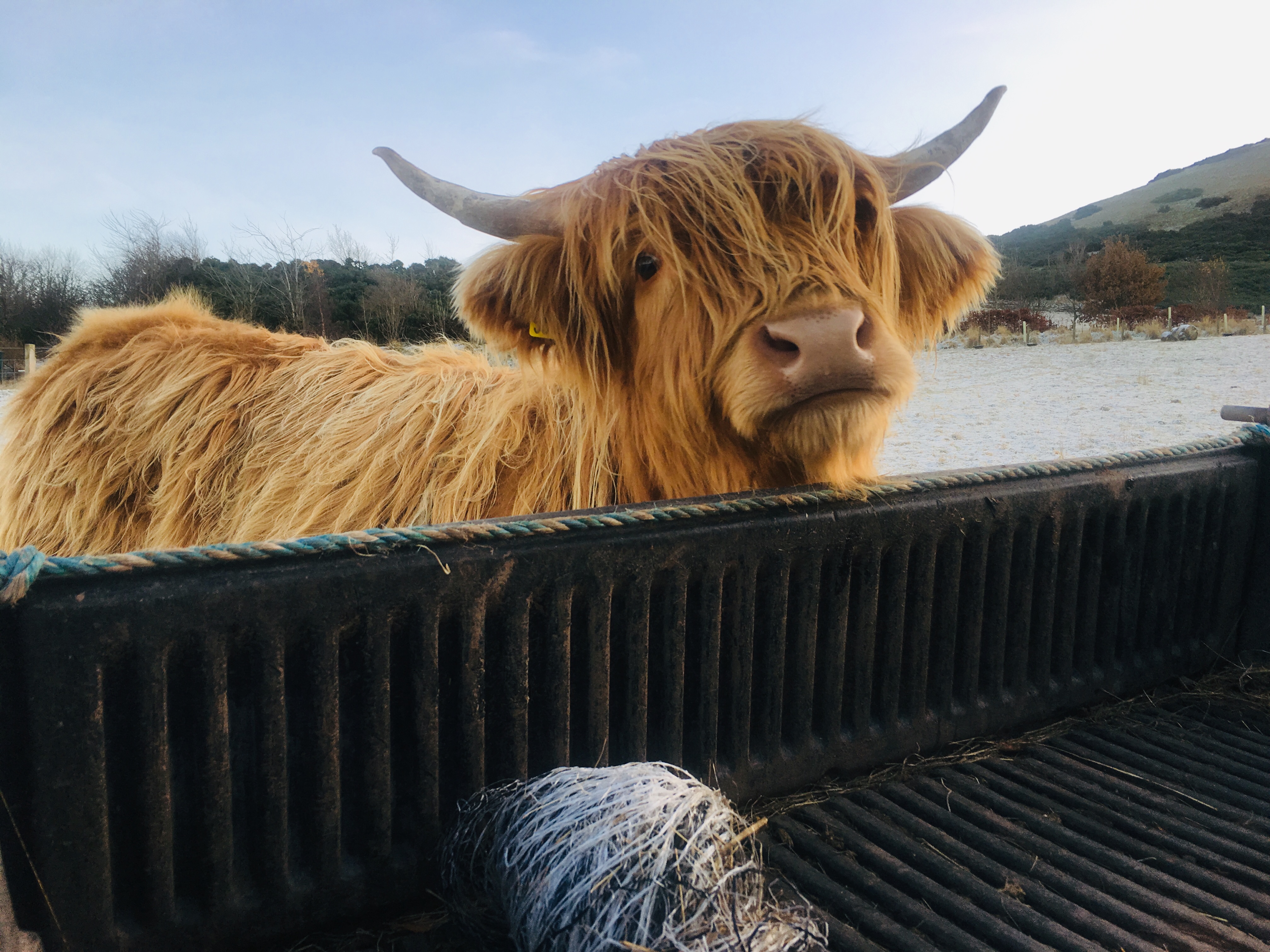
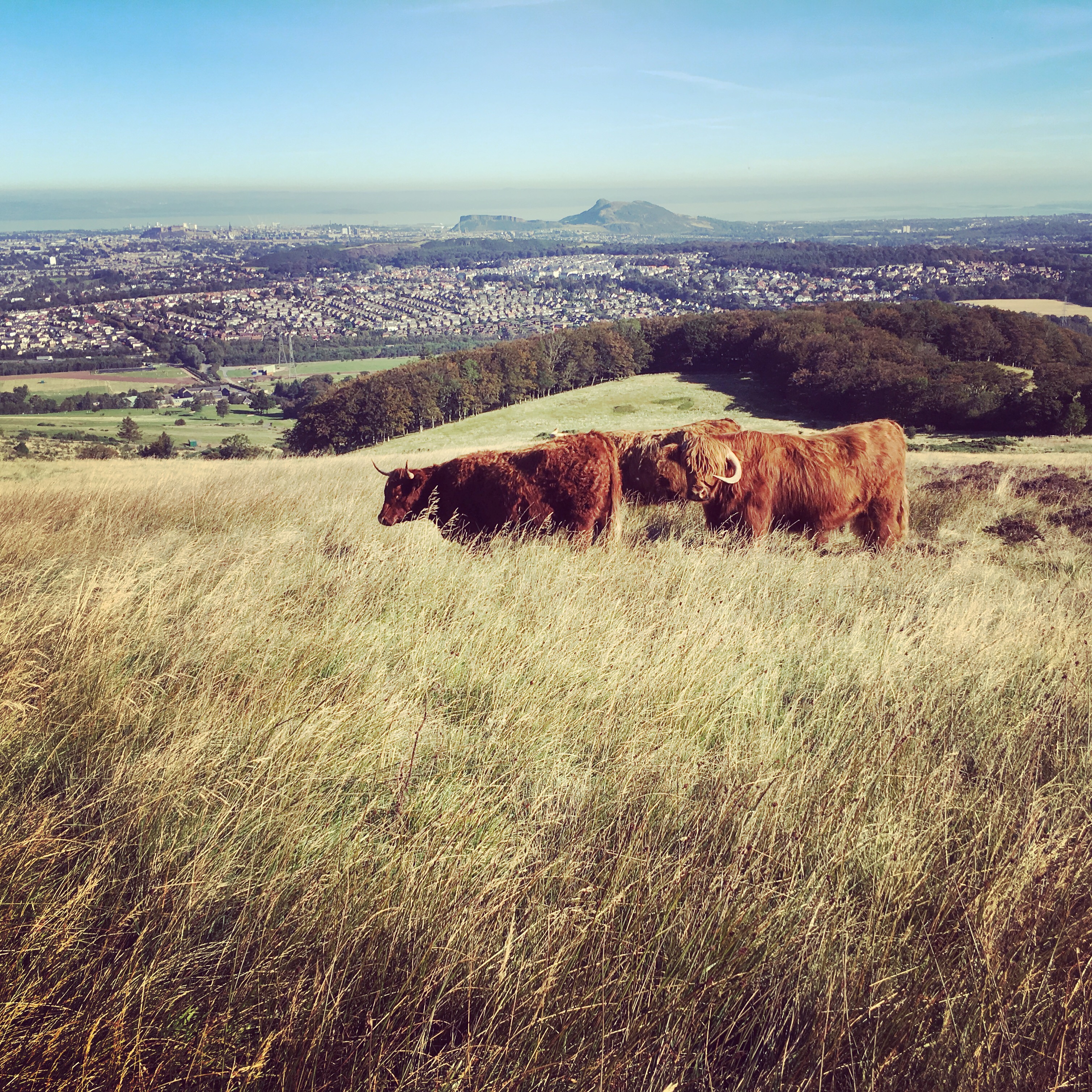
We are a family-run farm and keep a fold of Highland Cows which live on our hills 24/7, used as conservation grazers. Our Highland Cows roam a very large area of 300 acres of our hill land and we work hard to ensure our cows are able to live a peaceful life in their natural habitat.

Please read the FAQS in full, to make sure you are fully aware of what to expect when you arrive at Swanston Farm:

FAQS:

Q: Where can I find your Highland Cows?

A: We keep our Highland Cows in 2 areas:

1) We keep a small group of Highland Cows in a field a short walk (max. 5 minutes) from our Brasserie.  The route to this field is accessible for wheelchair users, very small children on foot and prams.  Car parking or taxi drop-off is next to the Brasserie – vehicles are not permitted to drive up to the field. Upon arrival at our Brasserie you will see our orange Highland Cow signs with arrows pointing the way to this area. The walk takes you to a wooden gate.  Sometimes the Highland Cows in this field will come close to the fence or the gate. Please ensure you do not enter this field, do not feed these Highland Cows and do not get too close.
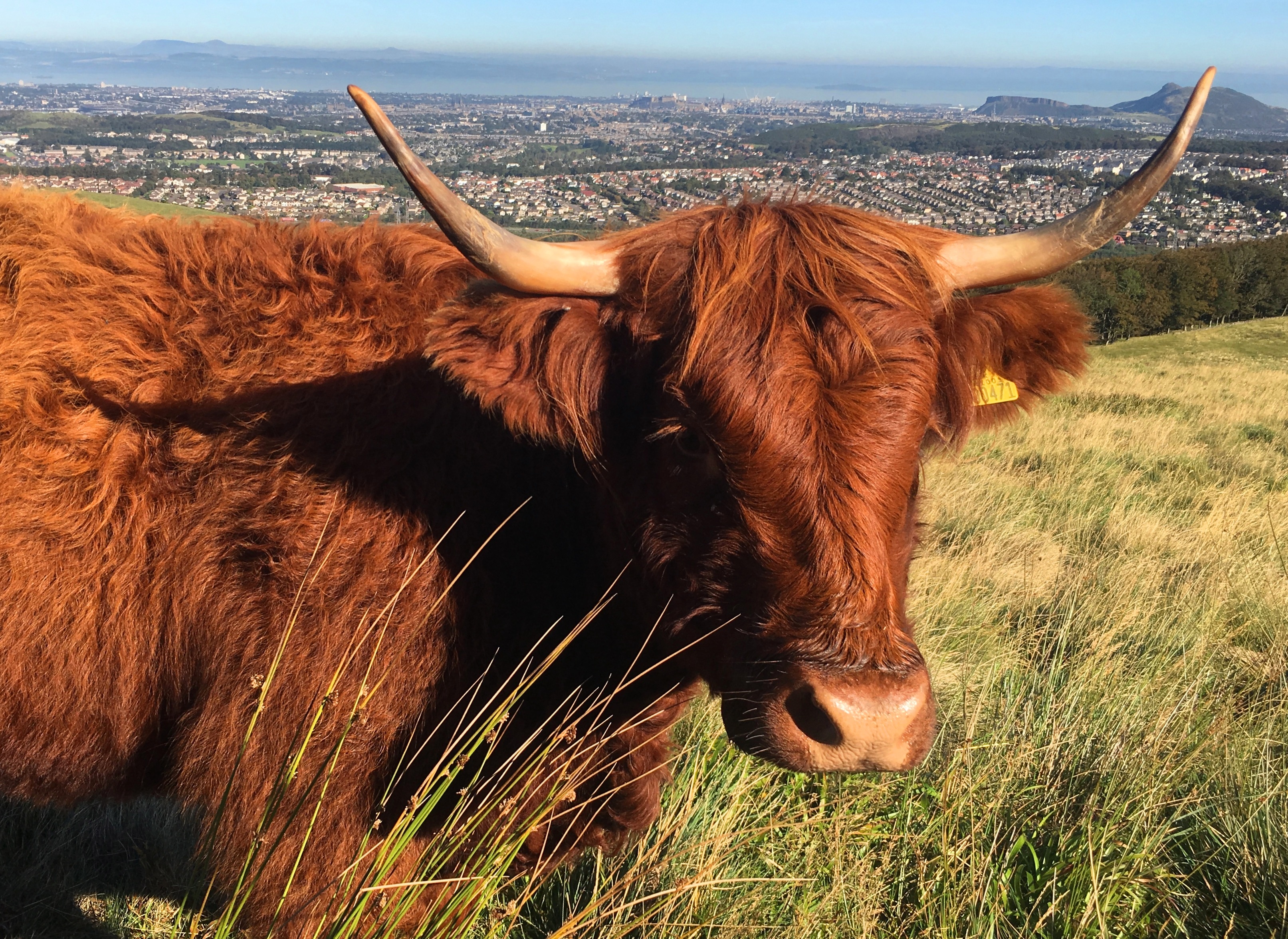
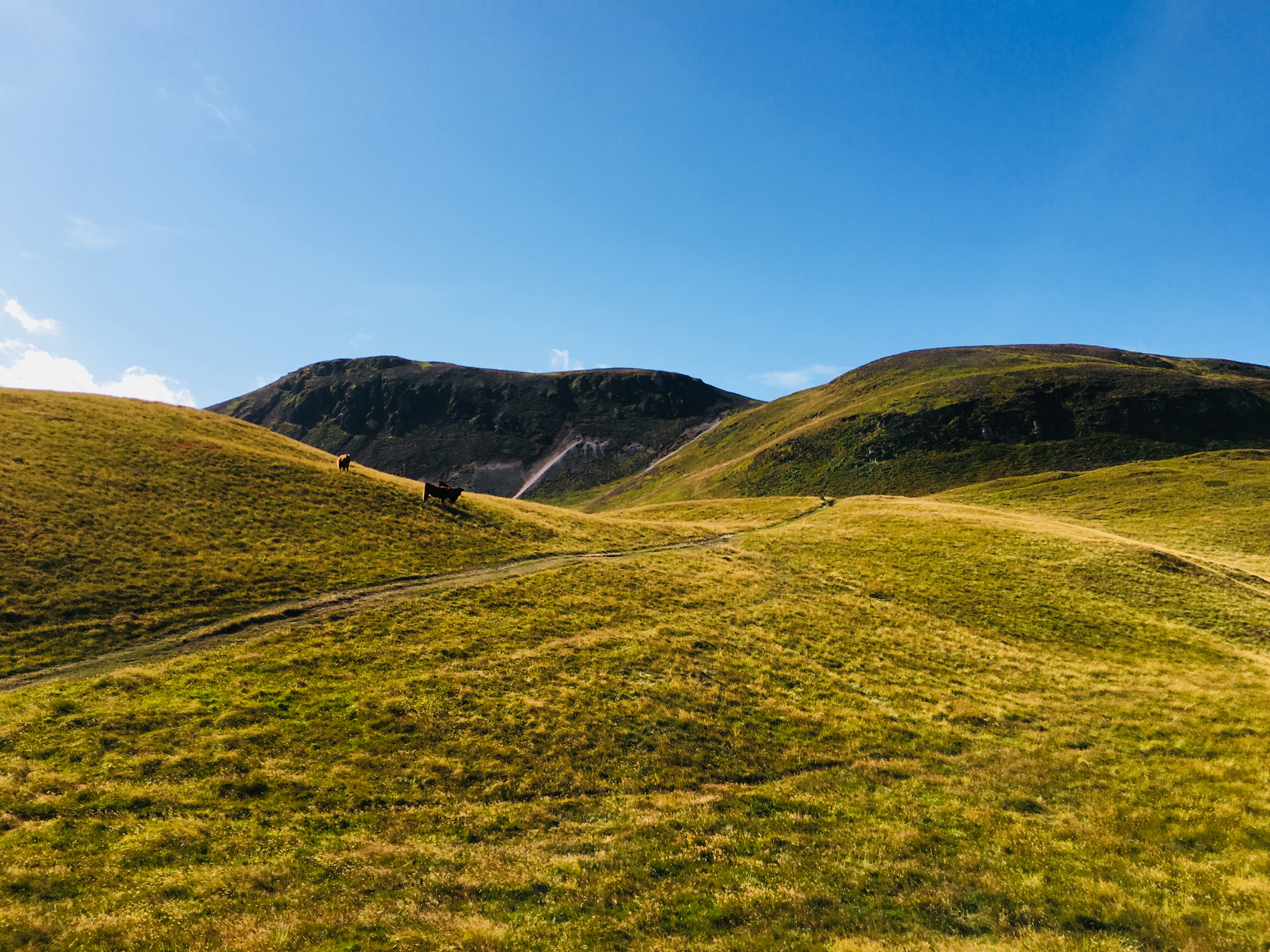
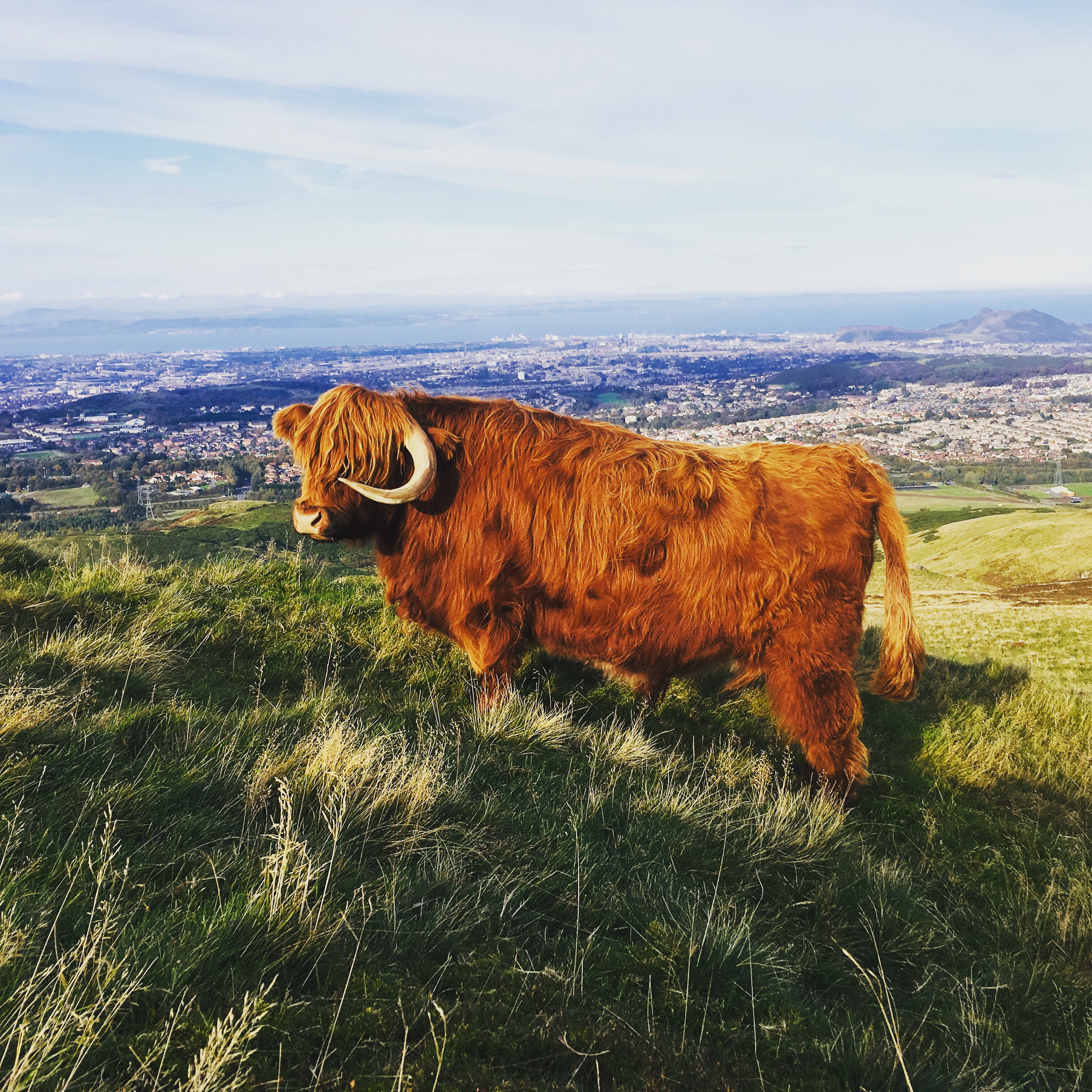
2) We have another larger group of wild Highland Cows that we graze on a very large area of 300 acres of our hills that rise up to 450m above sea level.  This is a much more strenuous and lengthy walk that climbs our hills and is not accessible to wheelchairs users, very small children on foot or prams.  This route passes option 1 above and must be done on foot. This option can take anything from 30 minutes to 3 hours, depending on where the Highland Cows are located at the time. It may take even longer if they aren't instantly visible and please be aware that you may not see the Highland Cows at all if they are in an inaccessible area of the hills.
Q: Can I pet any of the Highland Cows at Swanston Farm?

A: No. Swanston Farm is a working farm, not a petting farm. Our Highland Cows are wild and whilst they may look calm and docile, they do not like to be touched/petted. They are extremely powerful and can move surprisingly quickly. Always keep your distance from them at all times and DO NOT try to pet/touch them. Give them plenty of space (at least 10 metres). Any other animals here at Swanston Farm are privately owned and cannot be petted or fed.

Q: Are your Highland Cows pets?

A: No, our Highland Cows are not pets and are here to do a job as Conservation Grazers, but they do all have names.

Q: Can you feed the Highland Cows (or any animals) at Swanston Farm?

A: No. The feeding of our Highland Cows or any animals at Swanston Farm is not allowed. The feeding of our animals can make them very sick or even kill them. Please do not bring any food with you for the Highland Cows or any other animals – this includes carrots or apples.

Q: What are your opening hours?

A: Our opening hours are 9.30am-4pm (we are closed on Christmas Day and Boxing Day and are open 10am-4pm on New Year's Day). Please note that in winter it is dark by 3pm, so visitors must be off the hills before then. We would be grateful if visitors could please respect the privacy of our village and community.

Q: Do I have to buy a ticket or book to visit the Highland Cows at Swanston Farm?

A: No. You don't have to book or buy a ticket to visit our Highland Cows as we do not charge to visit, but if you are wanting food and drink at our Brasserie you will need to book a table at least 24hrs in advance by phone Tel: 0131 445 2239 or Email: brasserie@swanston.co.uk.  Please be aware that our Brasserie is an extremely busy dining establishment and tables in our Brasserie may not be available with less than 24hrs notice.
Q: If it is raining or snowing can you still see the Highland Cows?

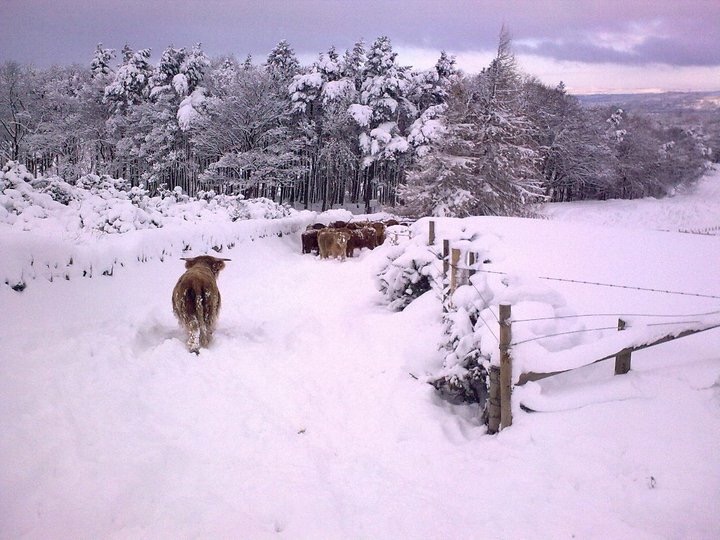
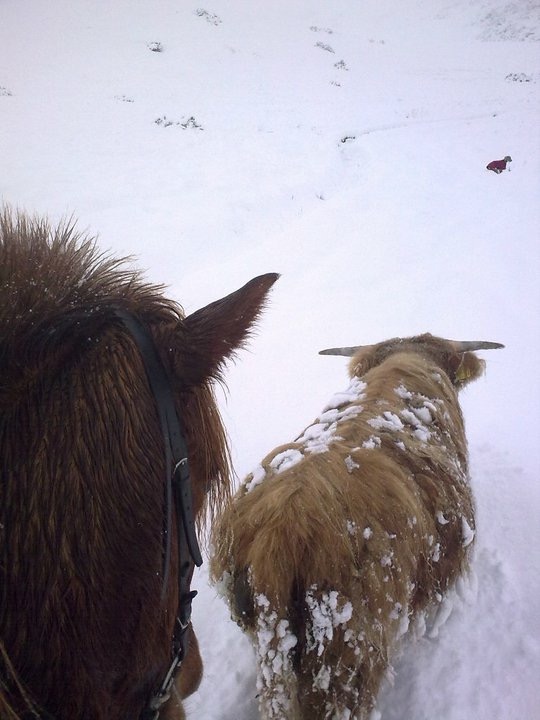
A: Our Highland Cows live outside all year round, day and night, but be aware that bad weather might mean the visibility is poor and therefore you may not be able to see the Highland Cows.
Q: Can I book on a tour to see the Highland Cows at Swanston Farm?

A: Sorry, no. We do not conduct any tours to see the Highland Cows.

Q: How can I get to Swanston Farm?

A: Visit our 'Find us' section for all information about how to get to Swanston Farm.

Q: How can I find my way around Swanston Farm?

A: To get an idea of the large area at Swanston Farm, take a look at this aerial view of the farm here, you will be able to see it all very clearly which will help you plan your trip.

Q: What do I need to wear to visit Swanston Farm?

A: Make sure you are dressed for the weather and wear sturdy boots!  Scottish weather can be very unpredictable, so plan ahead. Our hills are very steep, uneven and challenging. In Spring, Autumn and Winter there are often high winds, storms, rain and snow, which means our farm is often muddy, icey and snow-covered.  In Summer we can have very variable weather, from rain to high winds and if we're lucky, warm sunshine!

Q: Can I bring my dog when I visit Swanston Farm to see the Highland Cows?

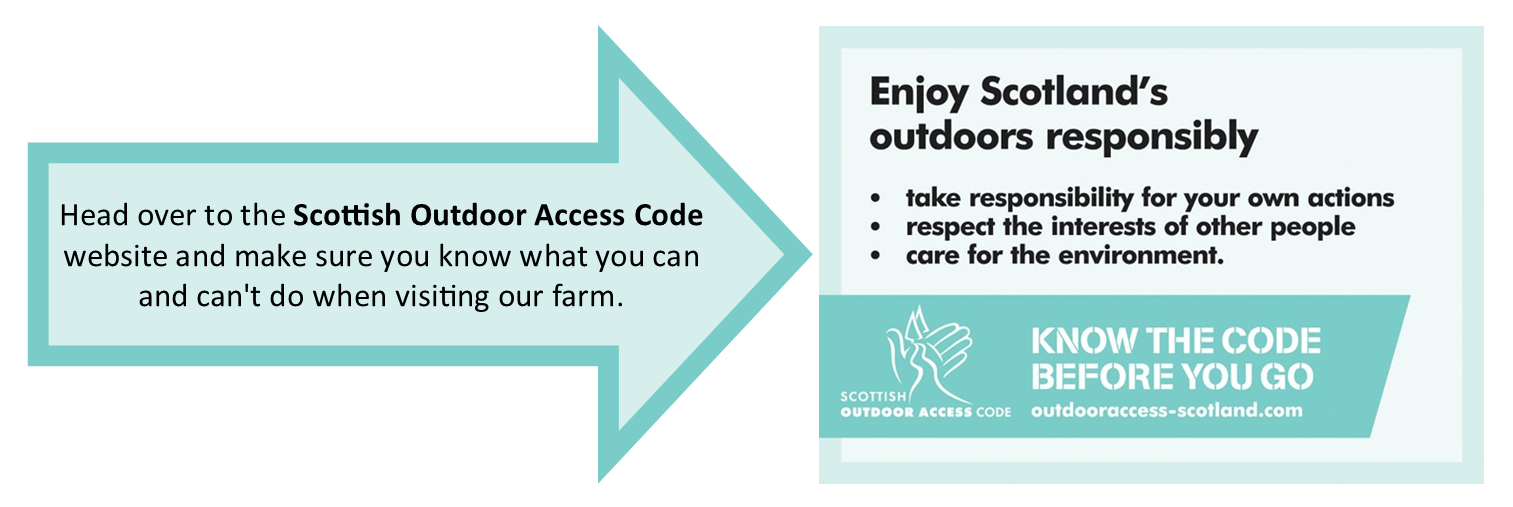
A: Yes, but please keep dogs under strict control/on a short leash around our Highland Cattle and any other livestock at Swanston Farm. Give them a wide berth and avoid startling them. For important information about walking your dog in Scotland, please refer to the Scottish Outdoor Access Code for dog walkers here.

Q: Do you use your Highland Cows for meat?

A: No, we use them for Conservation Grazing and they live their whole lives with us.

Q: How do your Highland Cows help with Conservation Grazing?

A: We are working to restore Scottish native species trees to our land and our Highland Cows are part of this regeneration programme. They help prevent vegetation from becoming over-grown, their dung recycles nutrients, encouraging greater diversity in plants species and adds natural fertilisation to the land, (which in turn provides a food source for several invertebrates and insects such as dung beetles, as well as a growth source for fungi). Any seeds they have ingested are also broken down in the gut, allowing easier germination once passed through the cattle. The short legs of the Highland Cows means they can cope with very steep and uneven terrain, reaching otherwise inaccessible areas to graze. Our hills provide a variety of habitats for important species that depend on how we manage our land, from fungi, to butterflies, to mammals, to plants to birds and more.

Q: How long do Highland Cows live for?

A: Our oldest Highland Cow lived to 25 years old. Highland Cows can live well in to their 20's if they are fit and healthy.  They are not fully mature until they are 5 years old.

Q: How much do your Highland Cows weigh?

A: Our Highland Cows weigh between 300kg and 850kg (that's the weight of a small car!).

Q: Do Highland Cows have any natural predators in Scotland?

A: No. There are no large predators in Scotland.

Q: Can Highland Cows be any colour?

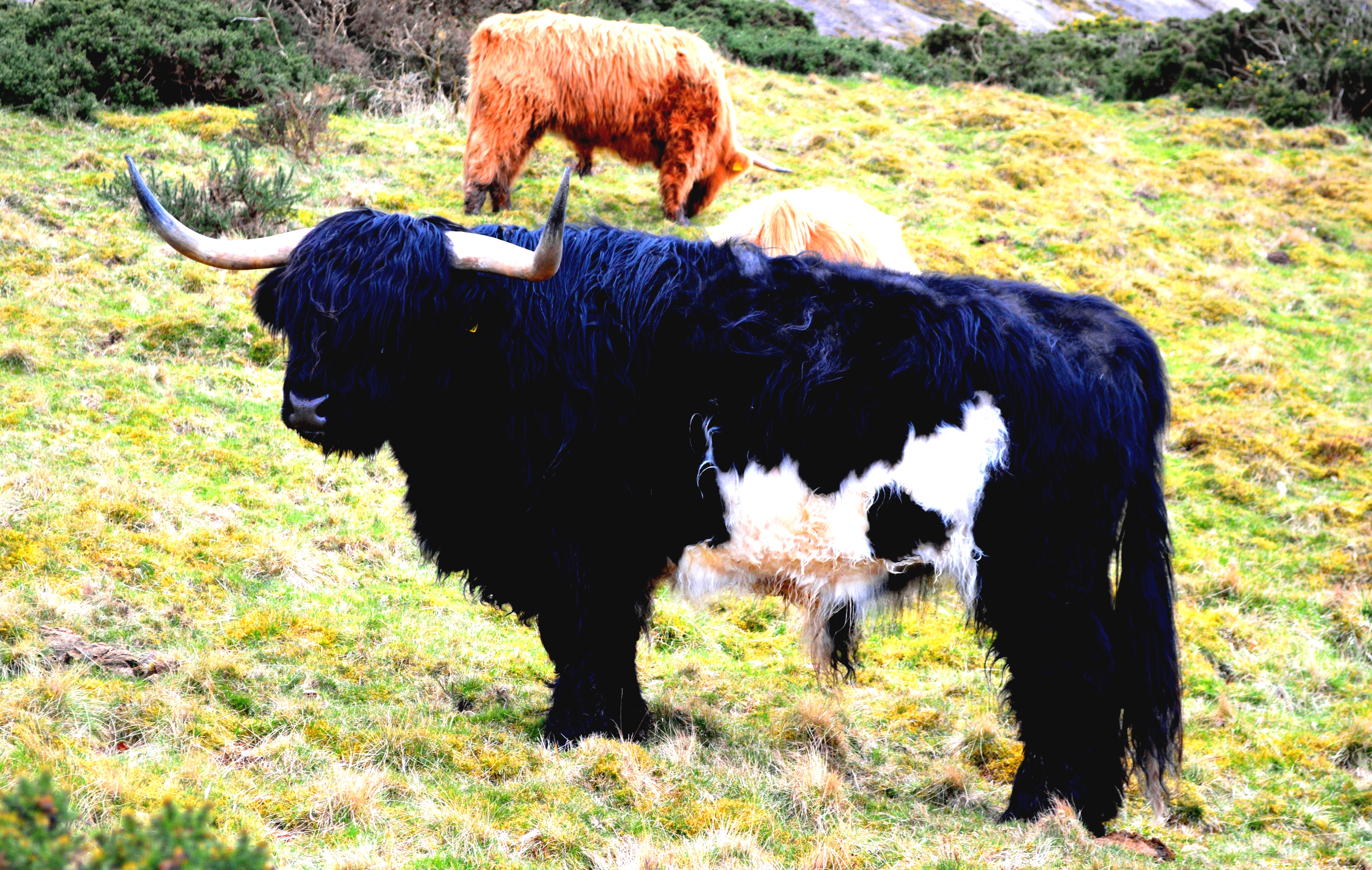
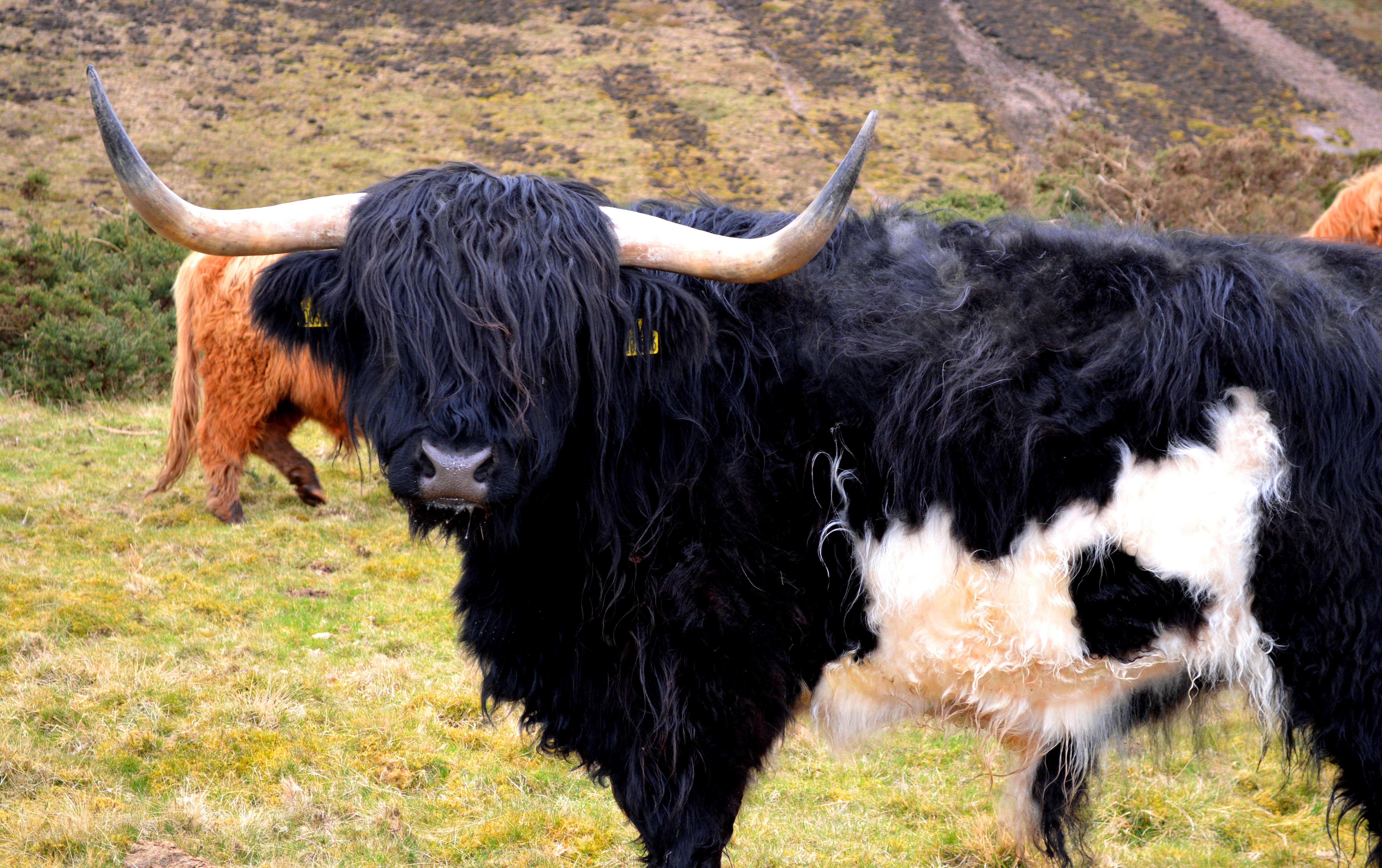
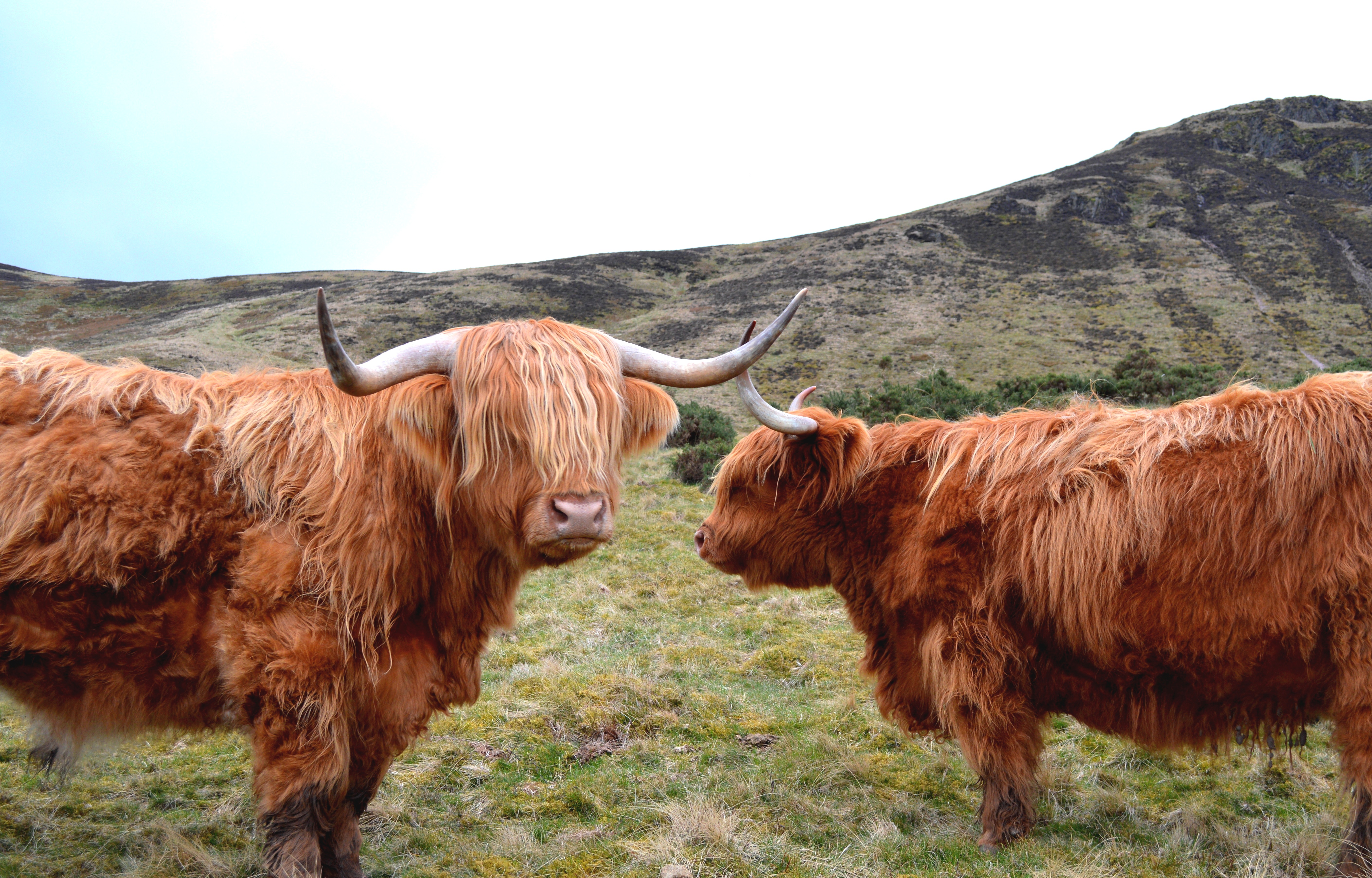
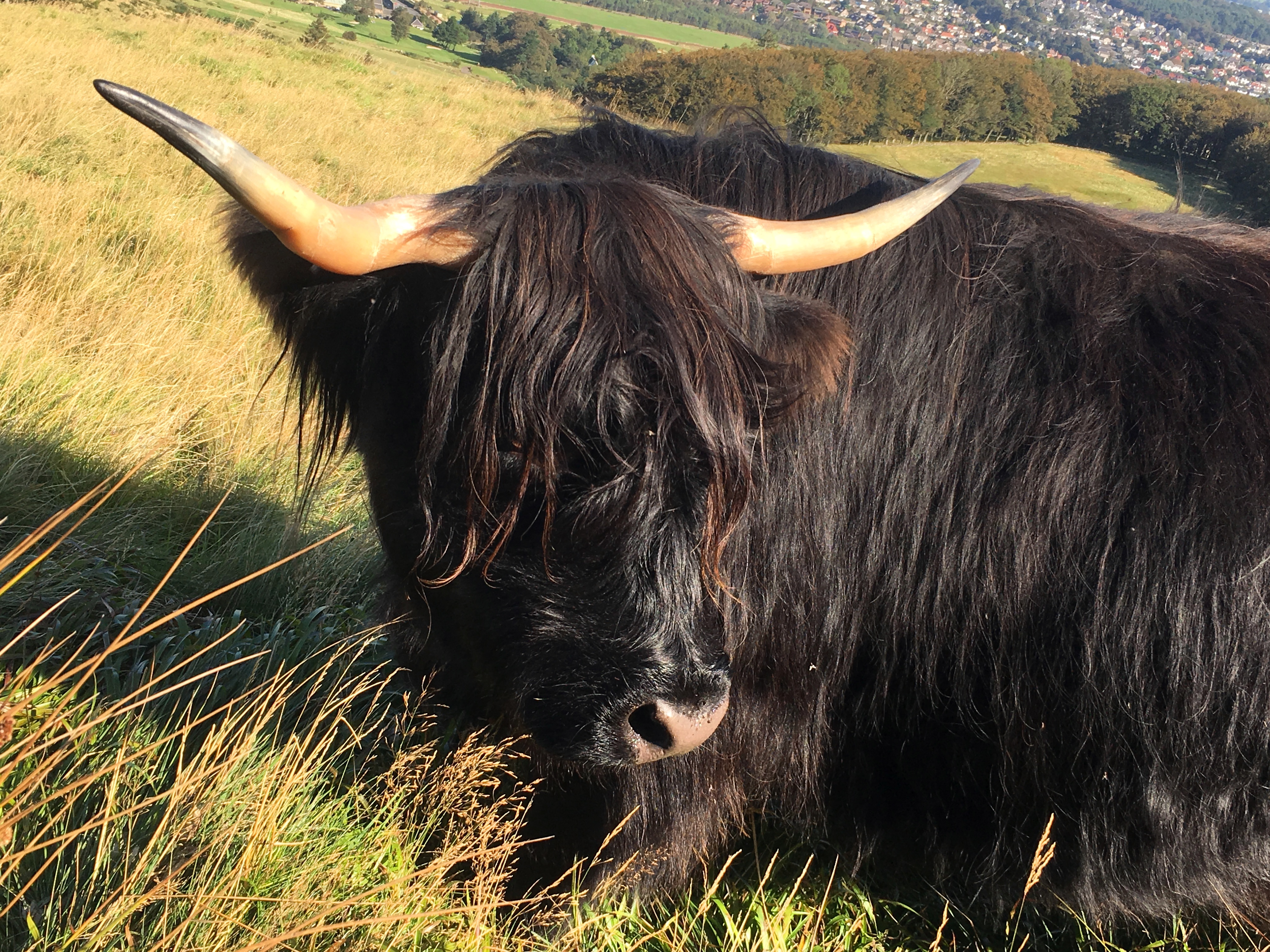
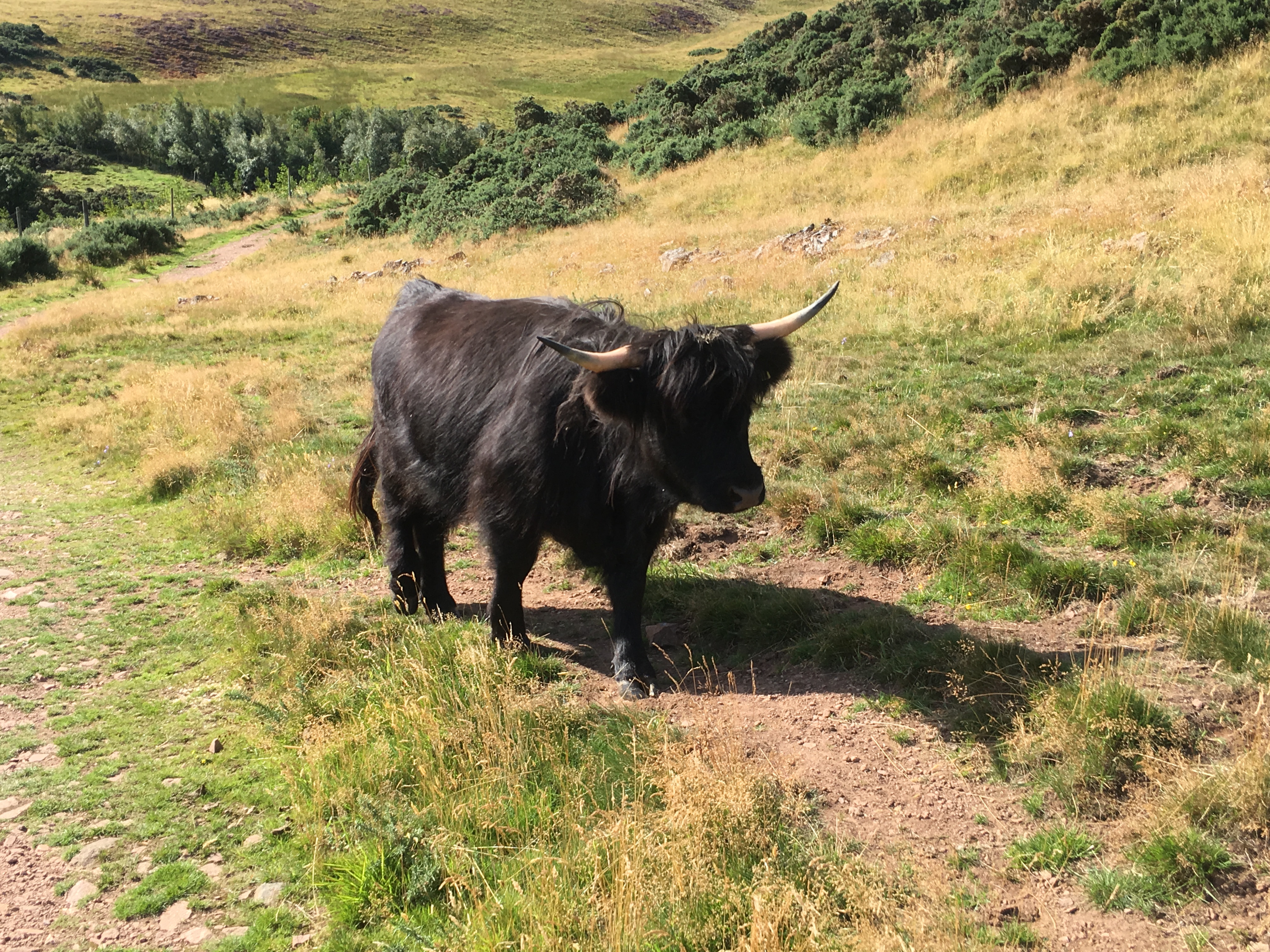
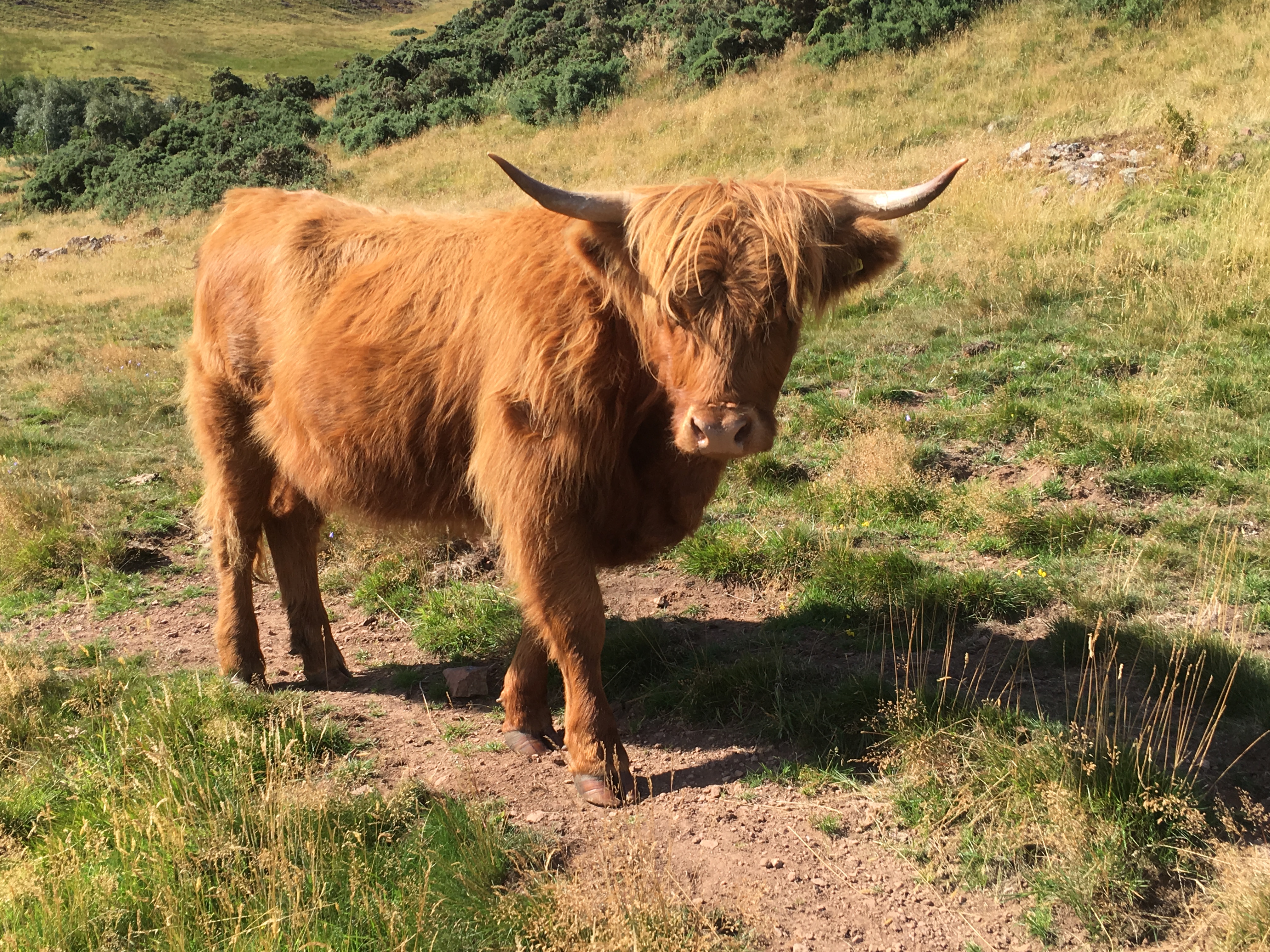
A: The classic deep orange-red colour is most common, but they can come in other colours including yellow or cream, brindle (dark and light colours in the coat), dun, white and black, which is the breed's original colour.

Q: Do males and females have horns?

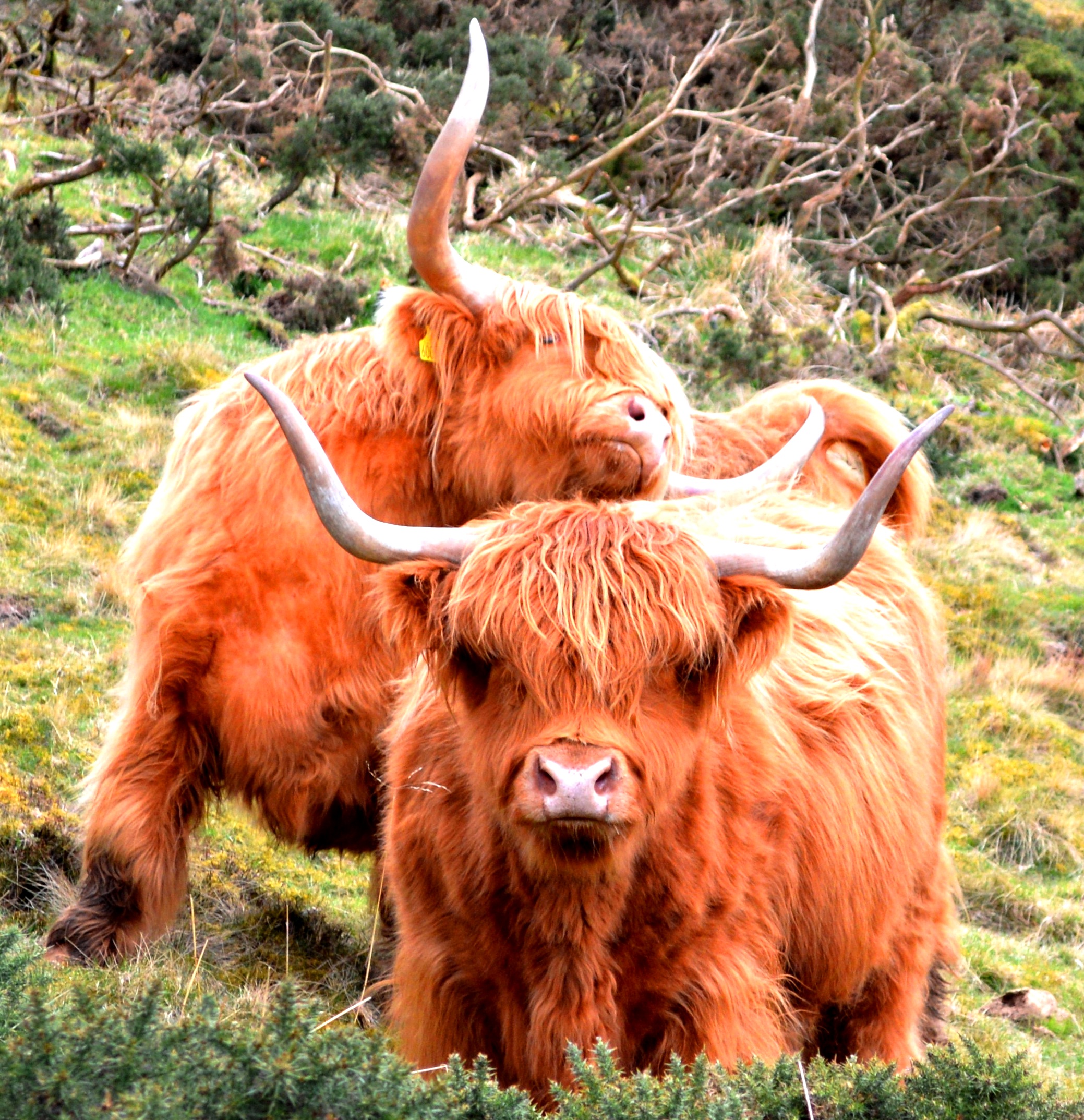
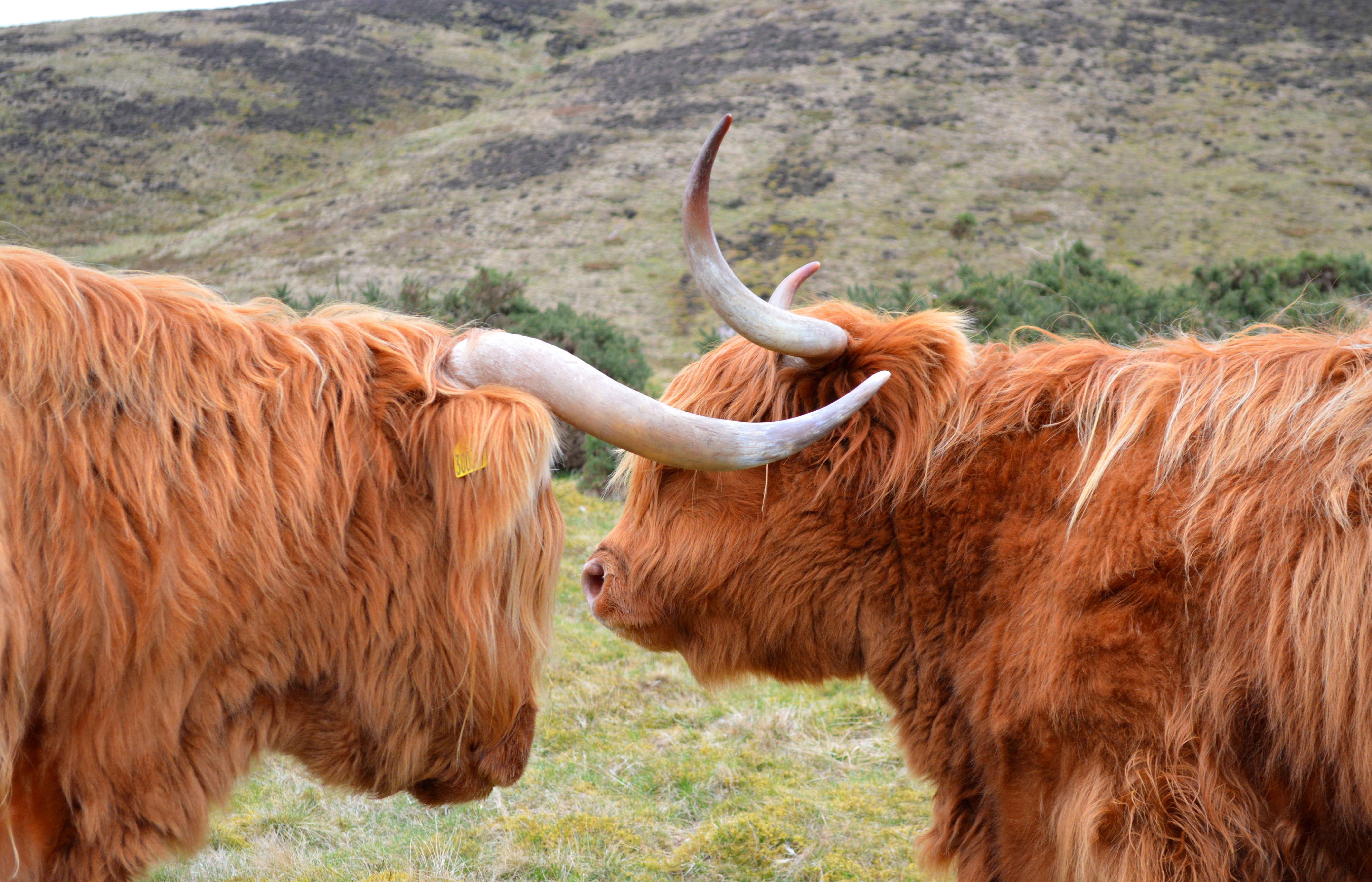
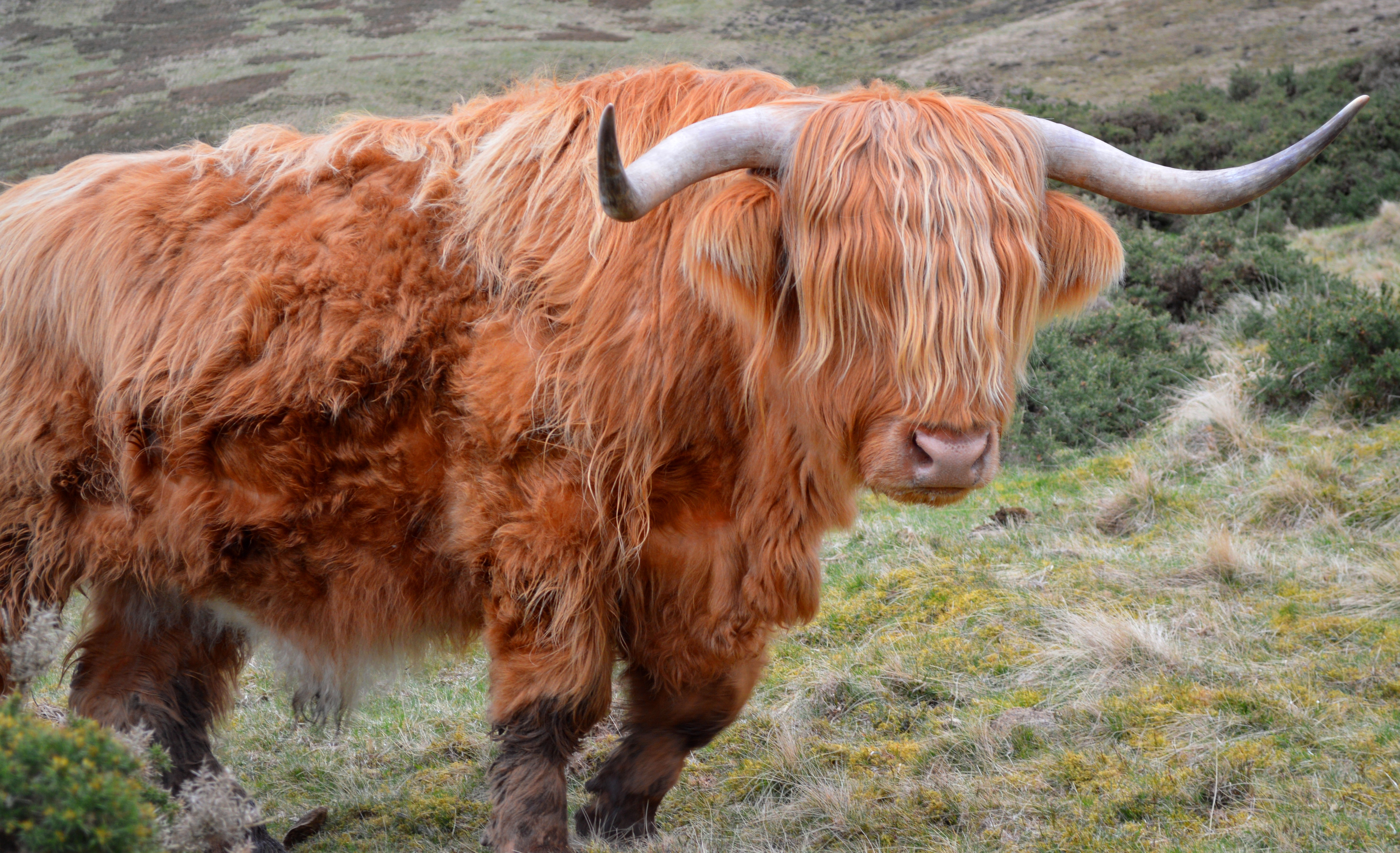
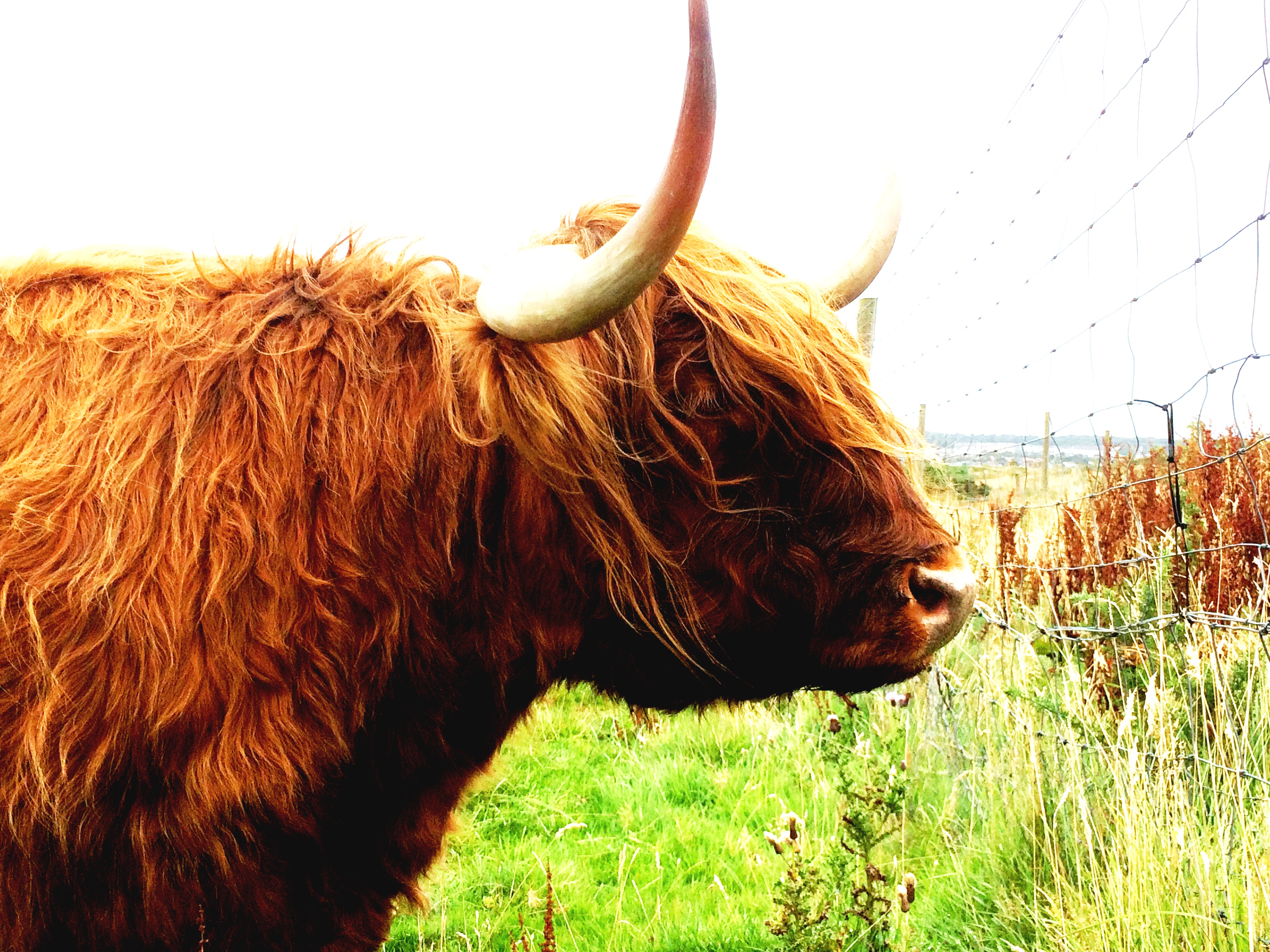
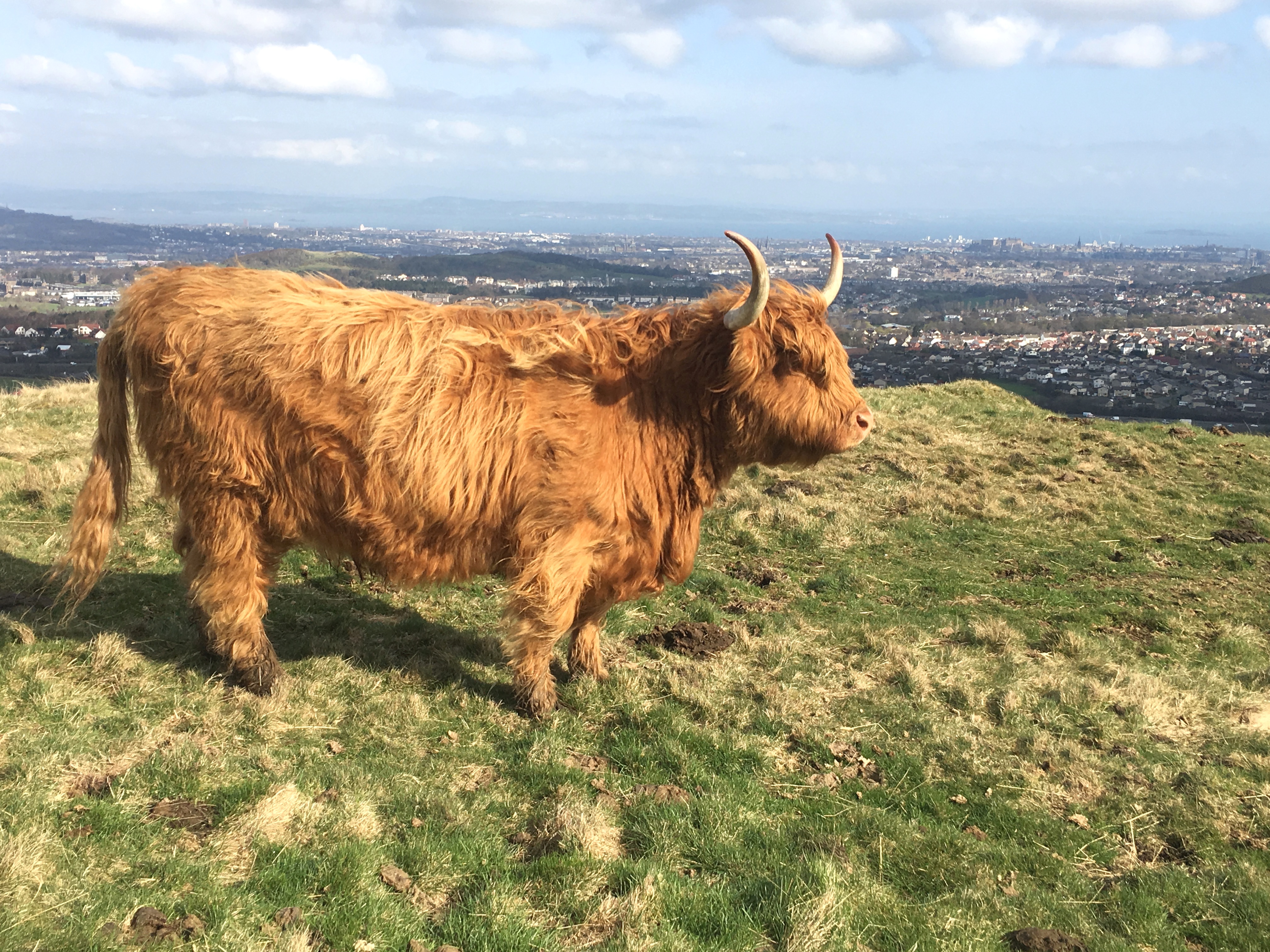
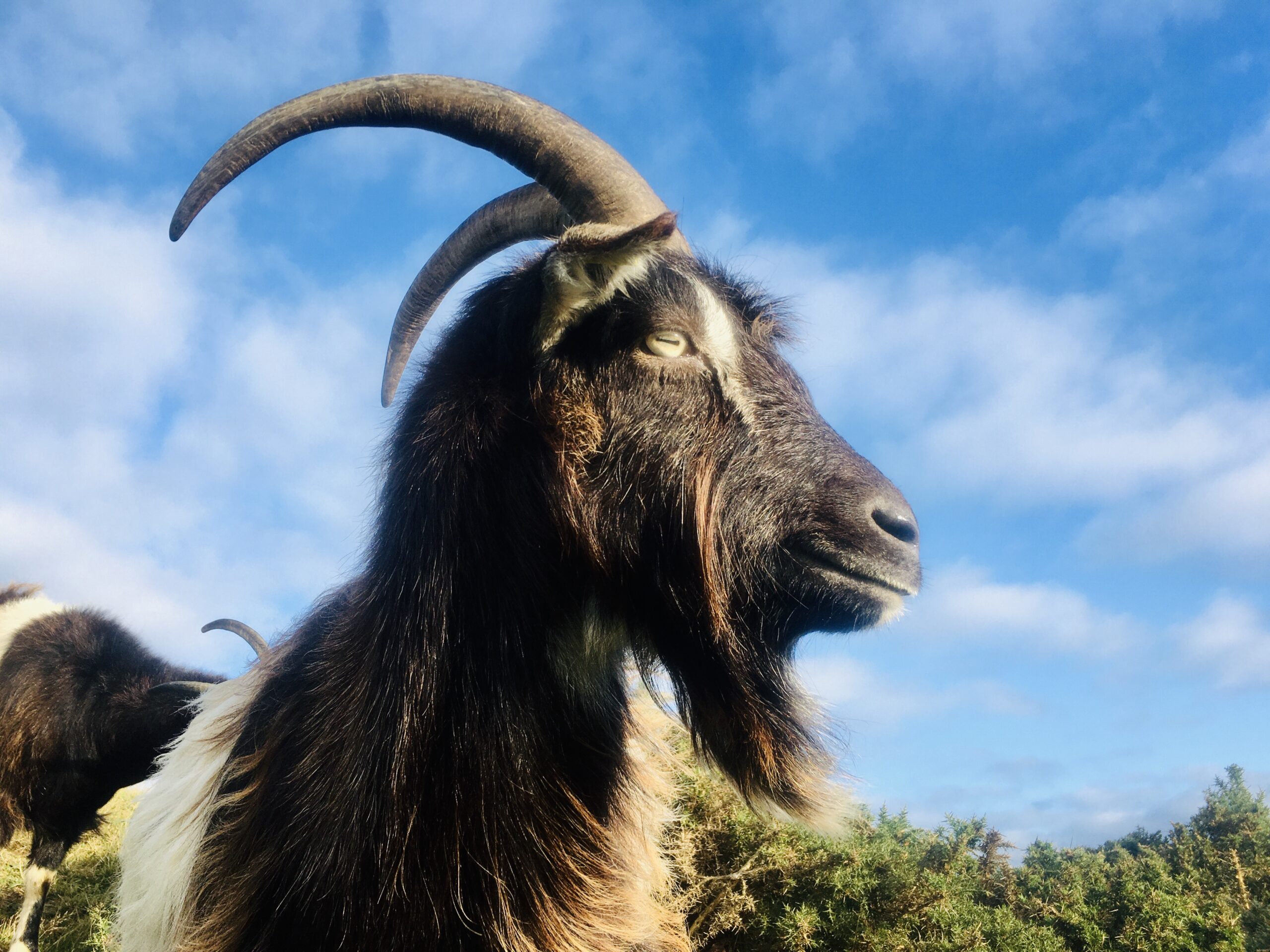
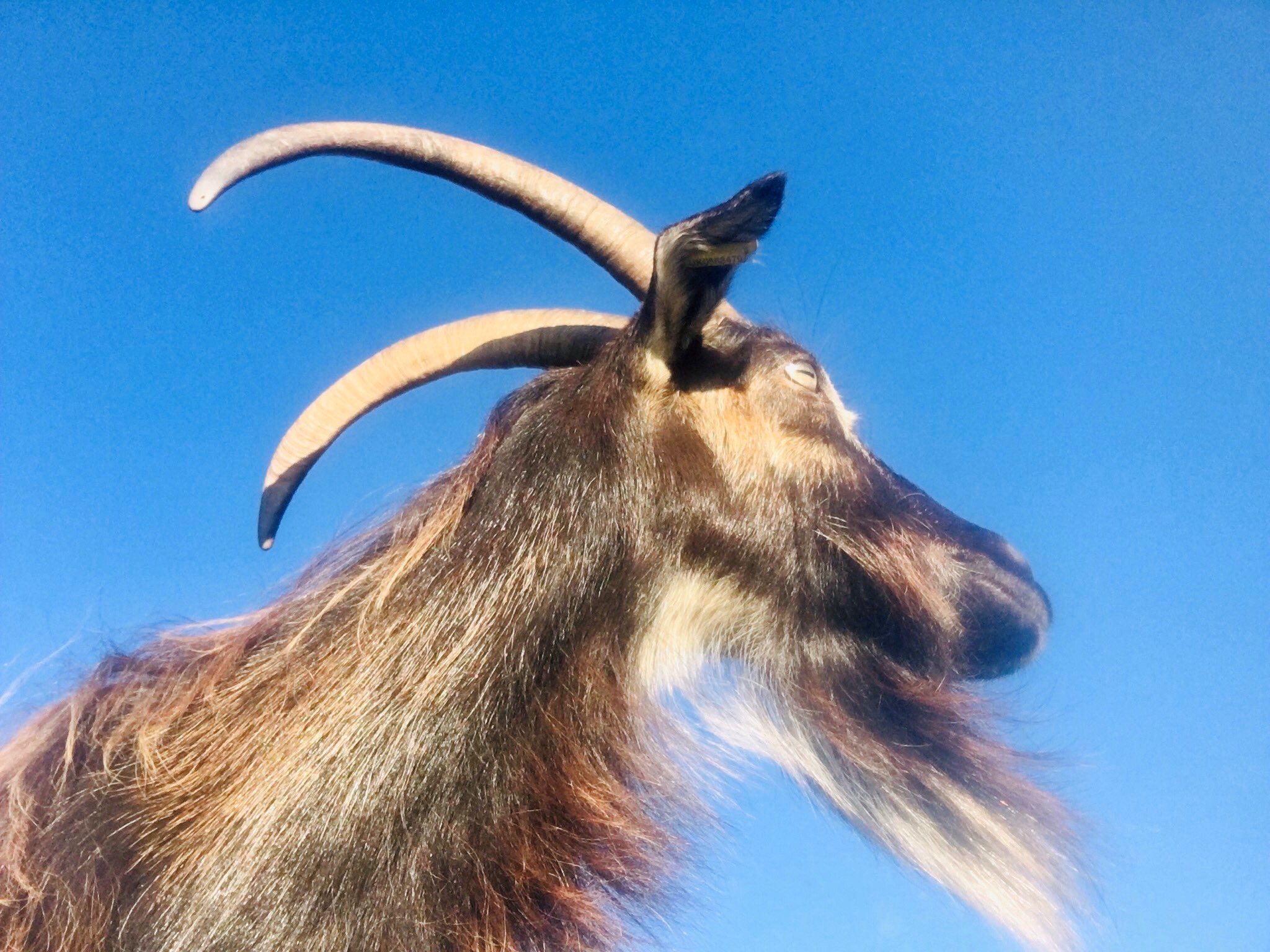
A: Both male and female Highland Cows have horns. You can usually tell them apart by their horns: male horns generally grow in a forward direction, often rising again at the points.  Female horns will grow out level at the head and then scroll backwards and outwards or will grow in a much squarer shape, parallel from the head and then rising sharply upwards, almost at 90 degrees

Q: Do you ever remove their horns?

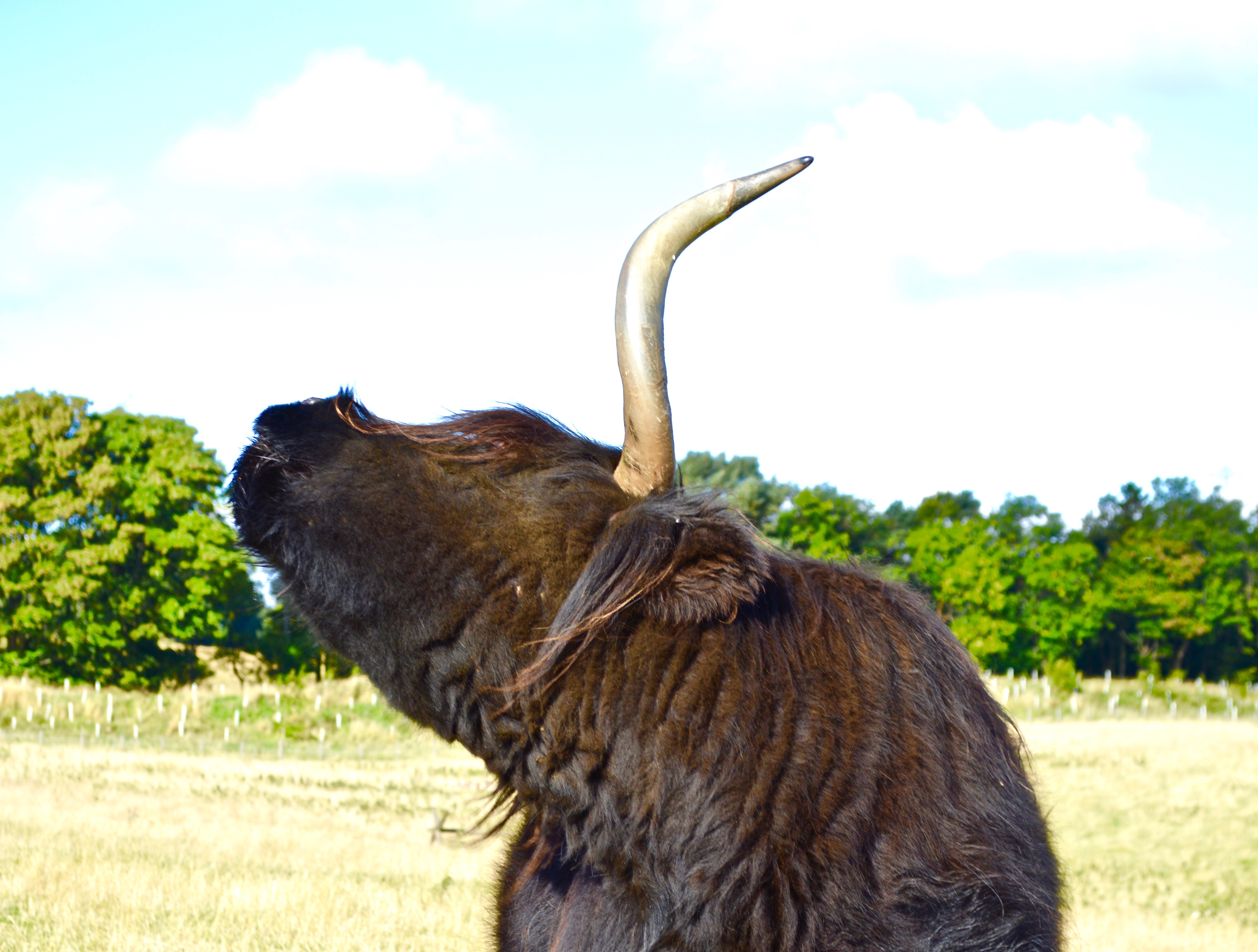
A: Only for welfare reasons, such as if their horns are growing in the direction of the cow's face or body. This is done by a veterinarian who may sedate the cow and then nerve-block its horn to prevent suffering. Highland Cows use their horns to scratch themselves, communicate with each other, defend themselves and push their way through vegetation. We feel it is important to leave their horns on.

Q: Do they shed their horns?

A: No, Highland Cows have their horns for life. Horn growth is at its fastest during the first 5 years of their lives, as the animal reaches full maturity.

Q: Do you milk Highland Cows?

A: Traditionally, Highland Cows are used for their meat. Their milk is very thick and buttery (good for their calves) and they are not used as dairy cows.

Q: Can Highland Cows see with that long fringe of hair over their face?

A: Yes! Their eyes are actually on the side of their head, so can see well, with around 340 degrees of vision. The long hair over their face (called the 'Dossan') is an important part of their welfare, keeping flies away from their eyes, as well as any debris that might be blowing in the wind, or any bushes they might be foraging in.  We want the Dossan to be long and full. Cow's eyes have large rectangular pupils which absorb considerably more light than human eyes (which means they can see better at night) and gives them a wider, panoramic field of vision but they need longer to focus, which is why you'll often see a cow stopping and staring or moving closer to the object of interest.

Q: Do you do any breeding on the farm or have any baby Highland Cows?

A: No. We don't breed from our Highland Cows, but instead buy youngstock at 18 months old or rehome from around Scotland. Our fold consists of females and neutered males. Our youngest was born in 2023 and our oldest were born in 2003.

Q: Do you need to trim or brush their hair?

A: No. Their body hair is actually a very clever 2-layer coat. The outer layer is longer and thicker, with natural oils secreted from their skin that coats this hair, meaning water runs off it and doesn't penetrate their coat. The under layer of hair is much shorter, finer and fluffier. In the summer, these soft hair fibres can lift to allow heat to leave the cow's body. In the winter, when the coat is thicker, these fluffy fibres will trap heat in. Highland Cows will naturally shed some of their thick coat in the Spring (which the birds collect for their nests), leaving them with a thinner coat. In warm weather they will sometimes seek out shade or will head to the peaks of the hills where the air is cooler. In Autumn, as the days get shorter, they will start to grow a thicker coat, ready for the cold winter months. We don't need to brush their hair – in fact, our Highland Cows spend much of their time walking between or scratching themselves on spiky bushes, which makes acts as nature's hairbrush!

Q: What do they use their tongues for?

A: Their tongues are very long, strong and dexterous and have a rough surface that feels similar to sand-paper and shark skin. The roughness is actually the different sized taste buds, which help to hold on to the saliva in the mouth (which is essential for starting to break down the food) as well as assisting the tongue in gripping on to the food source, such as long grass, hay or trees and shrubs as they pull it towards their mouths. The tongue helps to move food matter around the mouth. Cows often explore things they are interested in using their tongues, as well as regularly using them to clean their nostrils.

Q: How do the cows sleep?

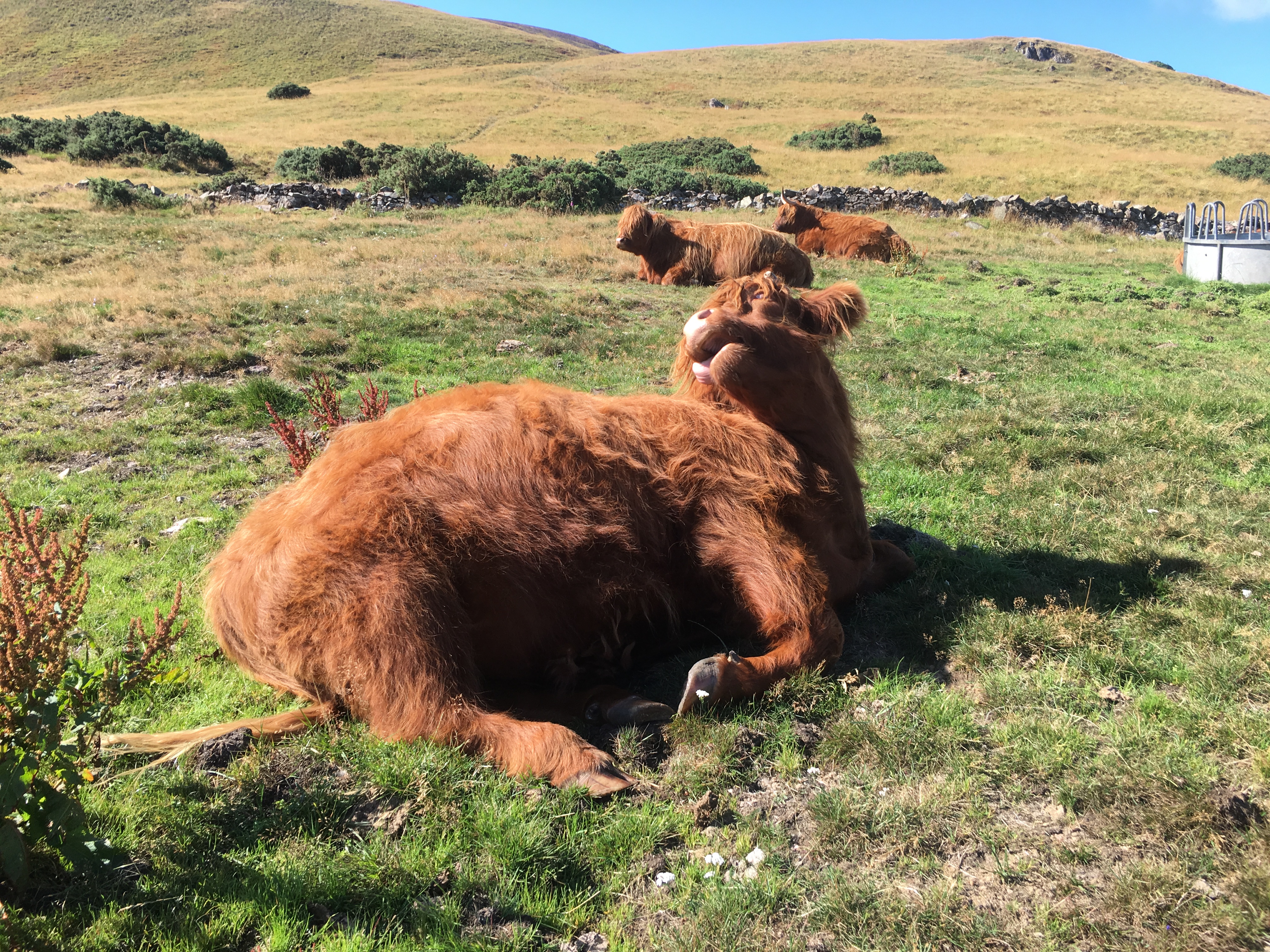
A: Cows (like horses) can only get deep (REM and non-REM) sleep whilst lying down and not whilst standing up, but they can 'doze' whilst standing up. They will lie down to sleep several times within a 24hr period and sleep for short stretches at a time before either sitting back up or getting back on their feet to start eating once more. This is called 'polyphasic' sleeping. In total they sleep for between 2-5hrs within a 24hr period.

Q: Do Highland Cows dream?

A: Their brain activity during deep sleep does show signs of dream state, and whilst cows are in paradoxical sleep (the phase when the body is asleep but the brain is active), their brain wave activity will sometimes cause their eyes to flicker open and shut, the muscles in their ears, lips and face will move, sometimes their legs will twitch and they can even make noises whilst in this sleep phase!

Q: What are their teeth like?

A: Cows have unusual dental set-ups; they only have incisors (front teeth) on their bottom jaw; on the top they have no incisors, just a 'dental pad' which is a solid, flat part of the upper jaw. They do have cheek teeth (known as premolars and molars) (the same as humans) on both the upper and lower jaw. The incisors and the pad at the front snip or break off the food they are eating and the cheek teeth grind the food matter down, with help of the tongue that moves the food around their mouths. Interesting fact: the 'dental pad' is found in all ruminants e.g. goats and sheep, we well as camels, deer and giraffes!

Q: Do Highland Cows have 4 stomachs?

A: No, this is a myth! Cows do not have 4 stomachs, but in fact have 1 stomach with 4 chambers (sections) to it. Food travels through the 4 chambers which each have a specific role in the break-down and digestion of the food matter.  These 4 chambers mean that they can digest plant matter much more efficiently than horses, rabbits and humans, which have a single-chamber stomach.

Q: What do your Highland Cows eat?

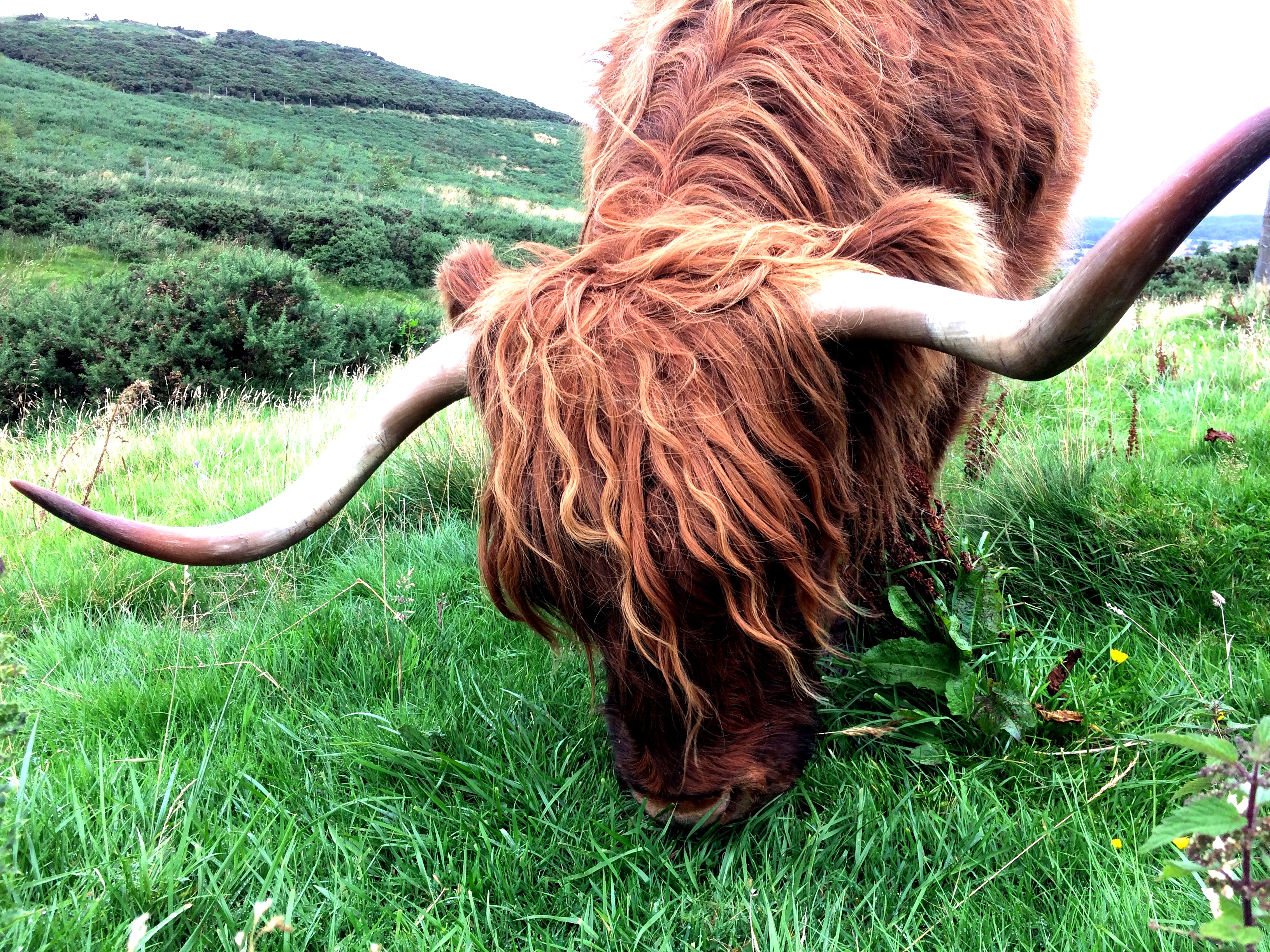
A: We don't need to give them special food. They forage our grasslands and hills, selectively grazing any area they wish. Their diet is rich in many species of grasses and other types of vegetation. There is a wide range of legume species and grasses that grow on our hills, giving our cattle a healthy dose of fibre, natural sugars, natural probiotics and medicinal anthelmintic plants. In return, they keep our hills vibrant and full of life – the biodiversity here is intricate and home to rare and interesting species of plants, fungi, wild flowers, insects, birds and mammals. Our cattle drink from the many burns and springs on our hill land. They also get a lot of moisture from the grass. If the snow is deep, we will put hay out for them, so they don't waste valuable energy digging in the snow for grass.

Q: Are Highland Cows native to Scotland?

A: Highland Cows are one of the oldest registered breeds of cattle in the world. Written records of the Highland Cow breed date back to 1885, recorded by the Highland Cattle Breed Society, but first mentioned in the 6th Century, originating in the Scottish Highlands and Western Isles of Scotland. They are said to have descended from the world's oldest breed, the Egyptian Longhorn which was reportedly well-established in the Nile Valley as far back as 4000BC and bought to Britain by neolithic farmers. The Highland Cow breed has remained largely unchanged over centuries.

Q: Are there toilet facilities at Swanston Farm?

A: Our Brasserie has toilets available for customers dining at our Brasserie only.

Q: I'm a social media influencer/UGC Creator – can I collaborate or get a paid or free visit at Swanston Farm?

A: No. We do not do any social media collabs or provide any paid or free visits for social media influencers.

A special request to all our visitors:

We respectfully request that visitors do not try and touch our Highland Cows. It is important that they get to live the peaceful life that we intend for them. Please remember that Swanston Farm is their home, as well as our home, and whilst visitors are welcome to come and observe them in their natural habitat, please:

  • don't invade their personal space
  • enjoy the open space
  • leave no trace🌱

Thank you.

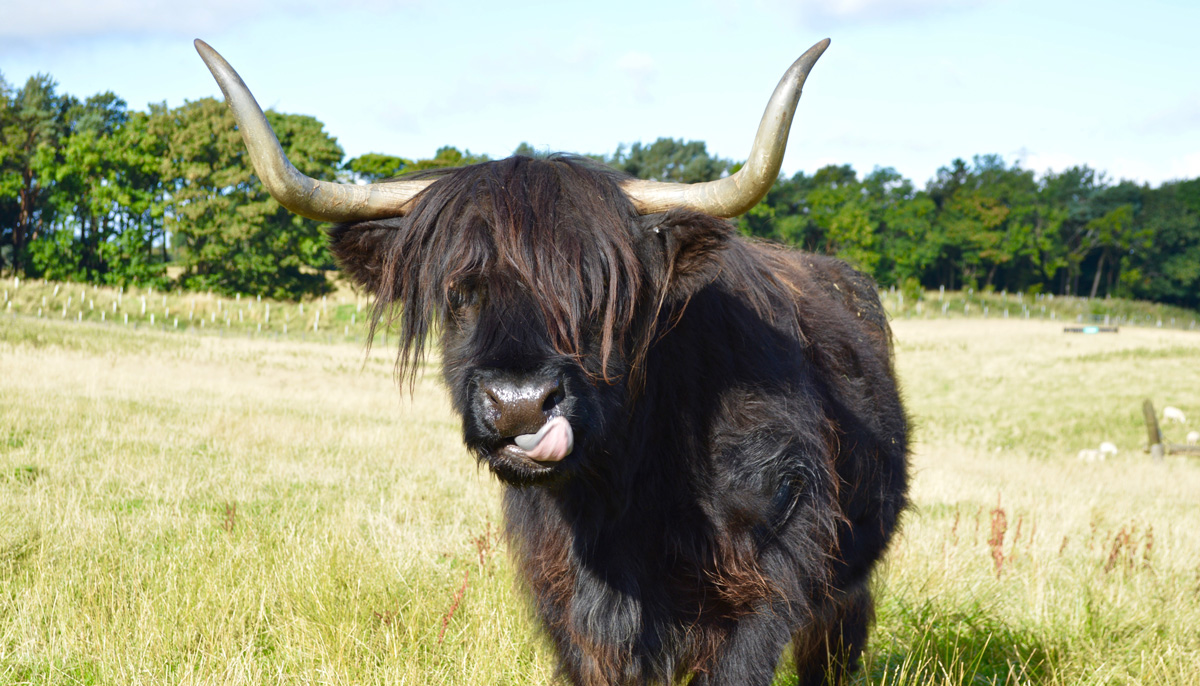
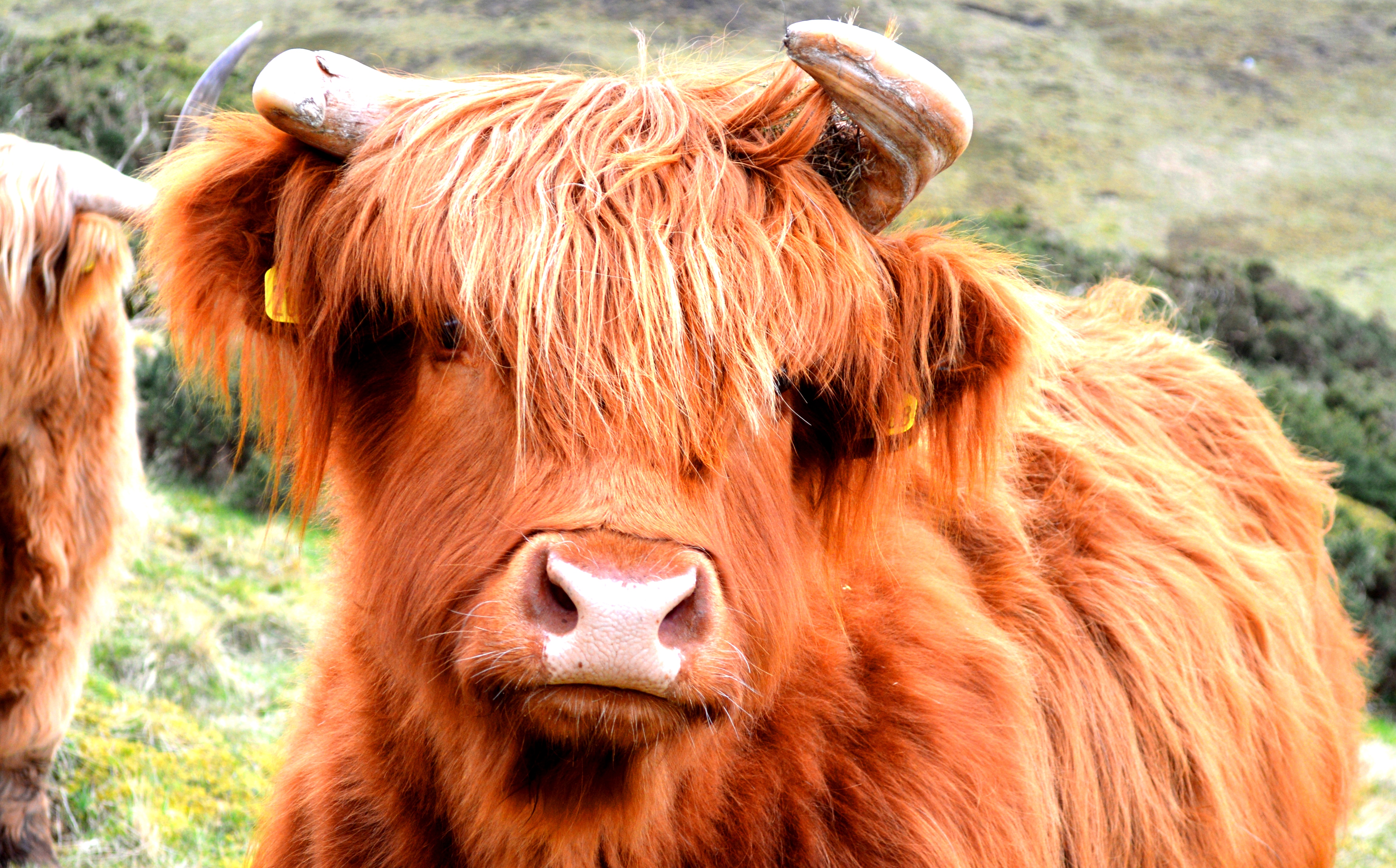
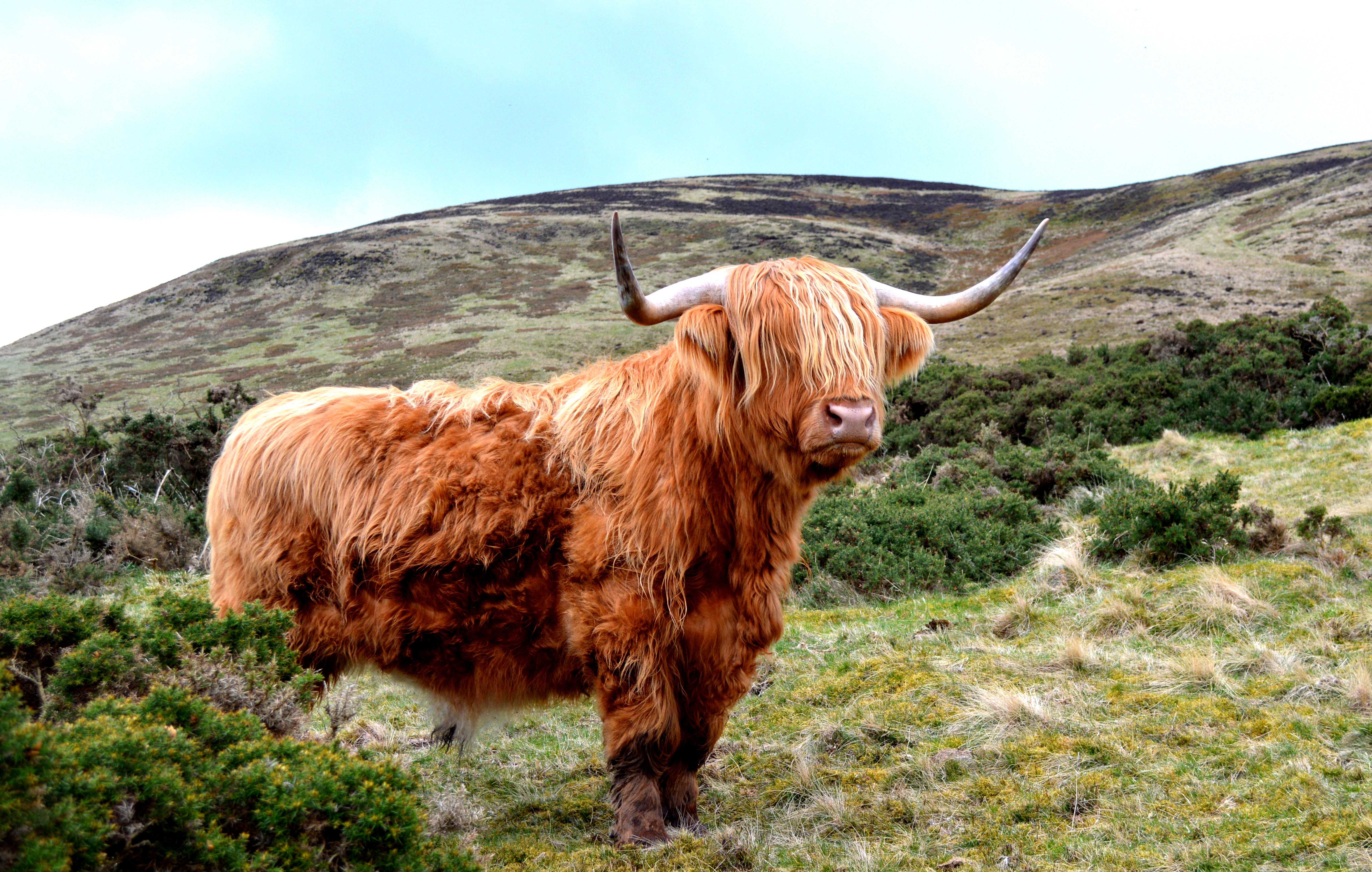
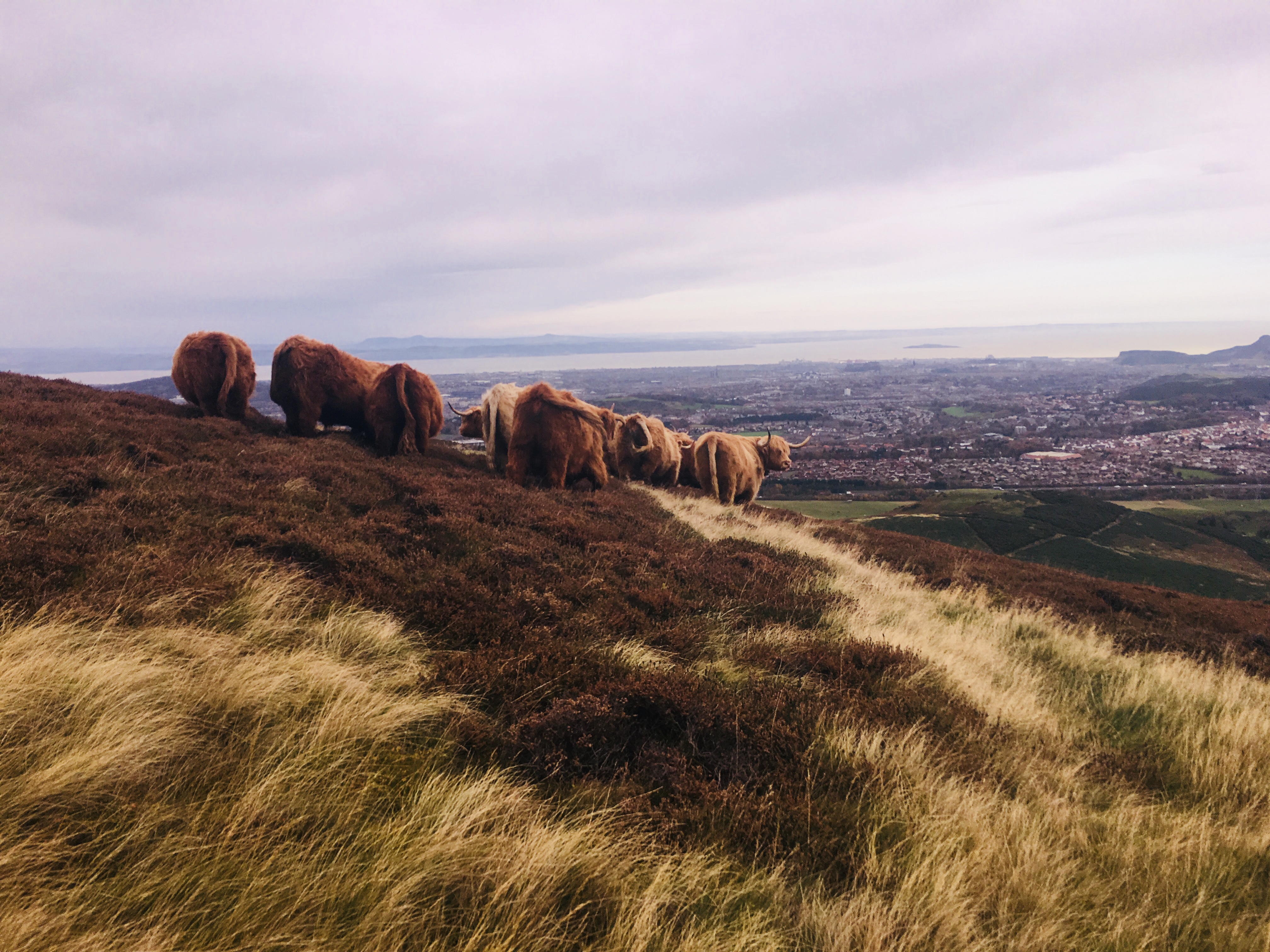
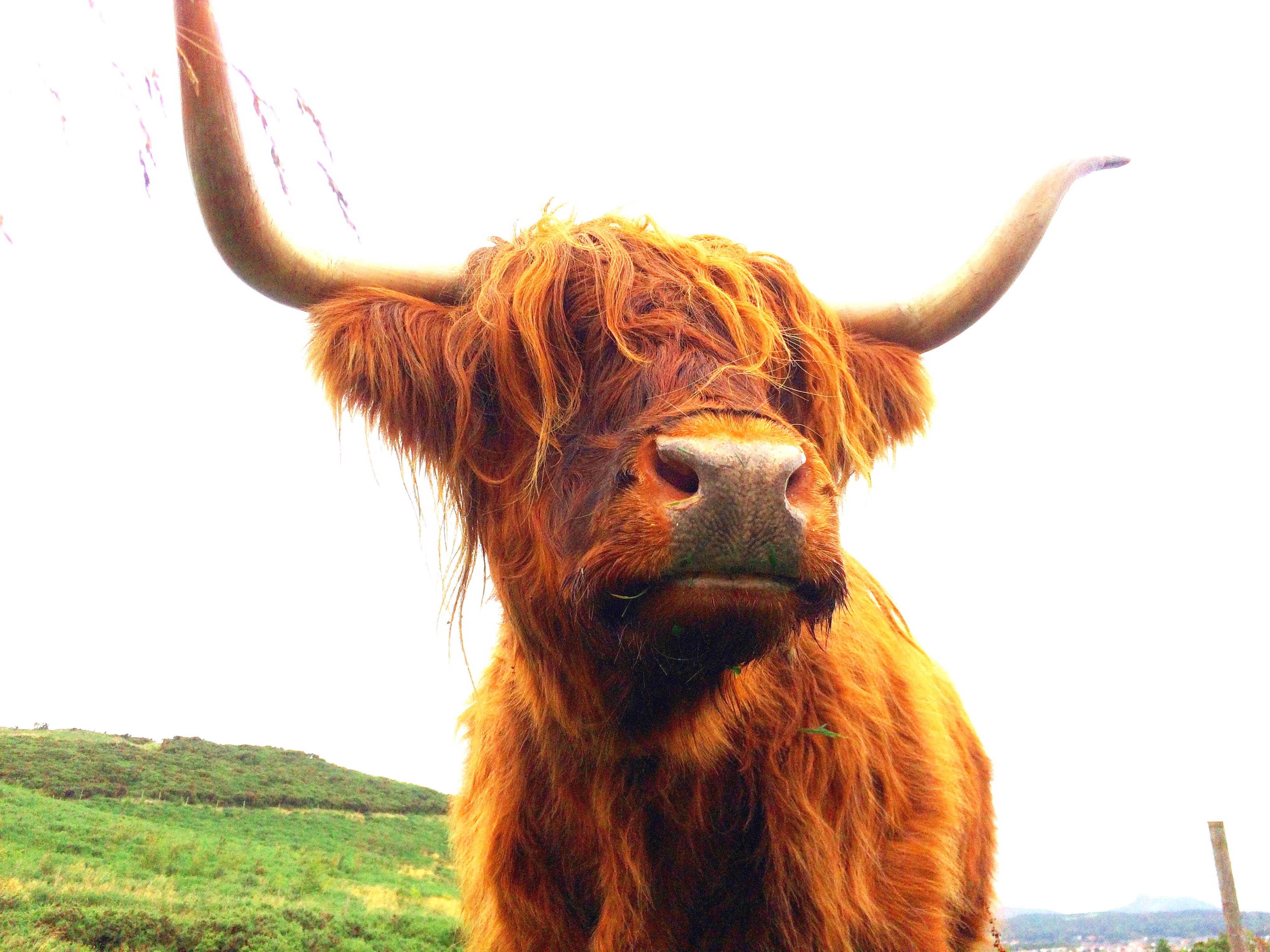
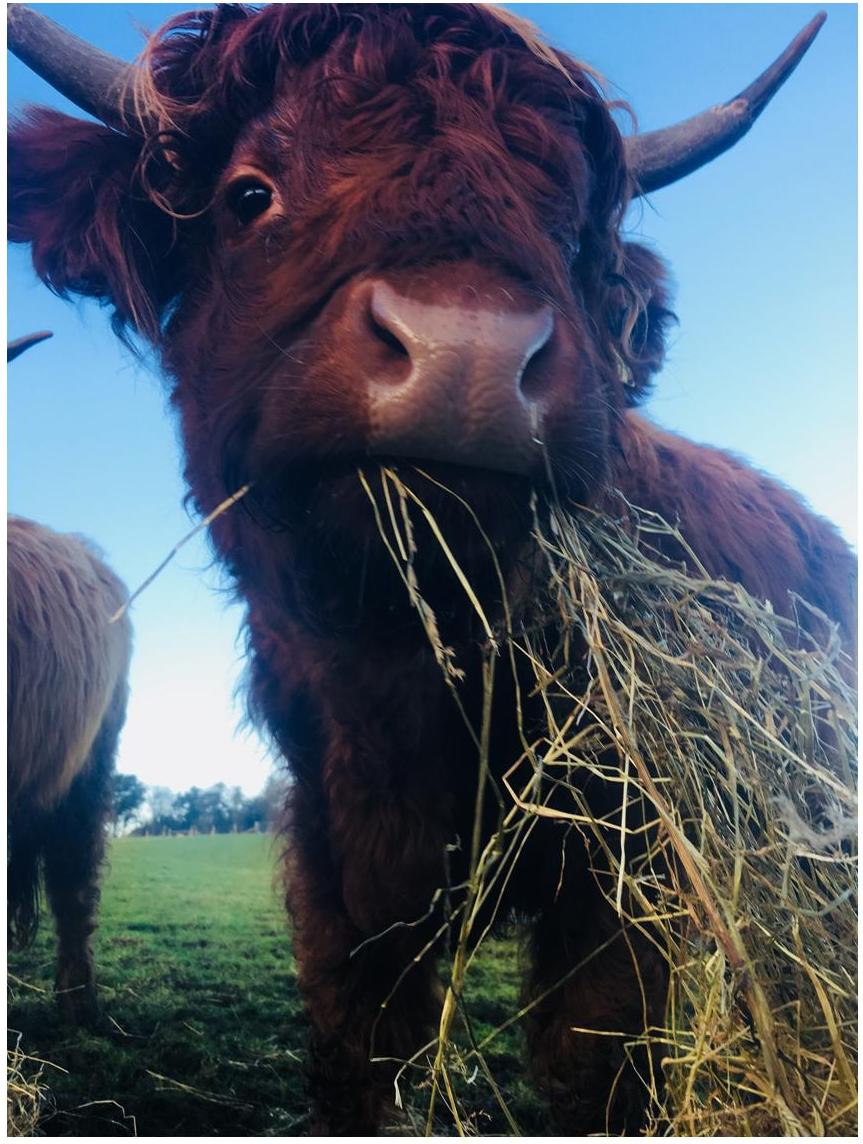
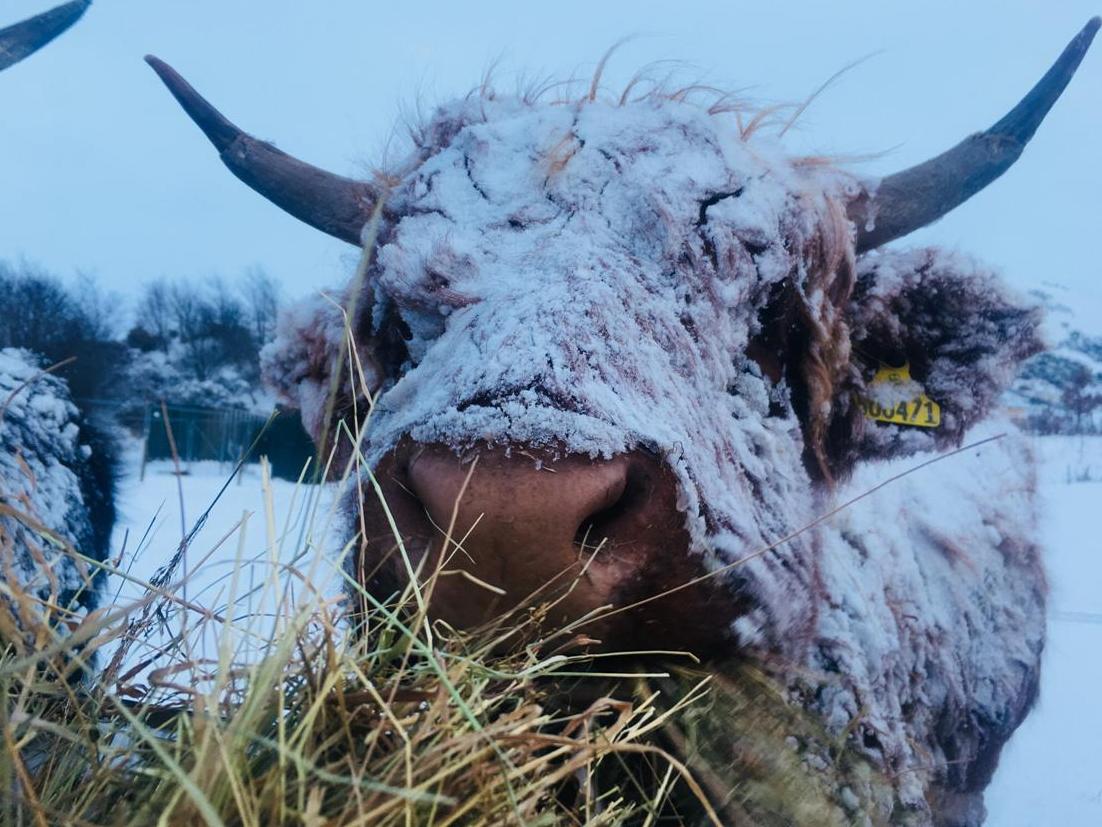
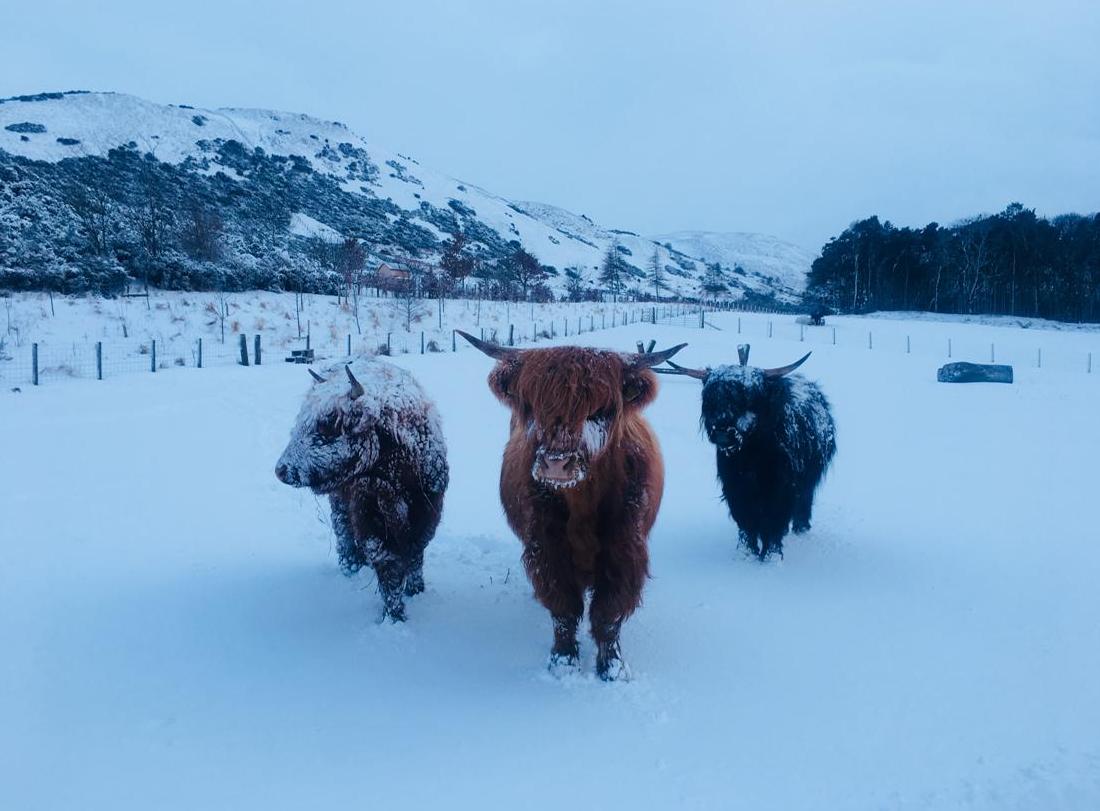
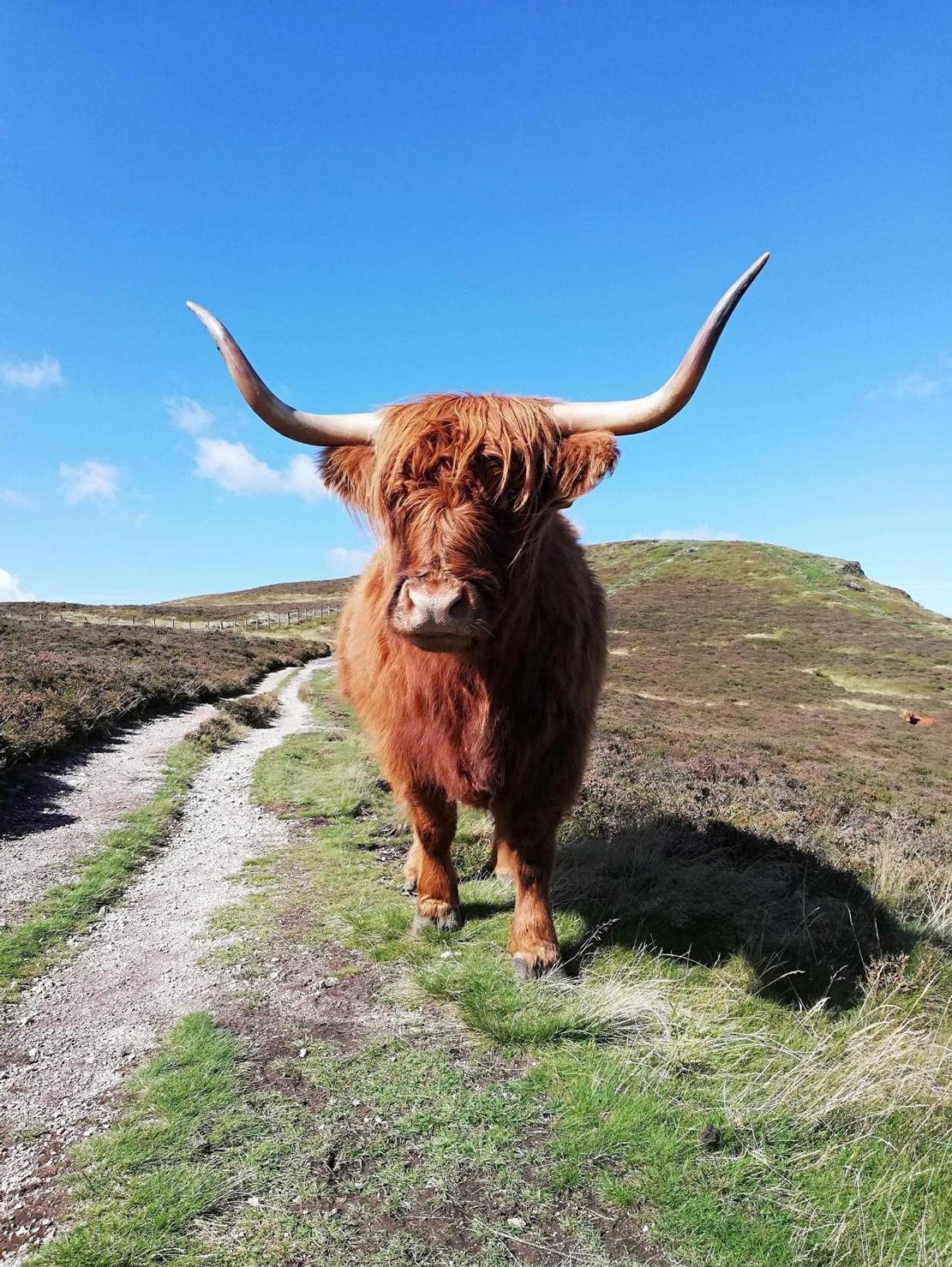
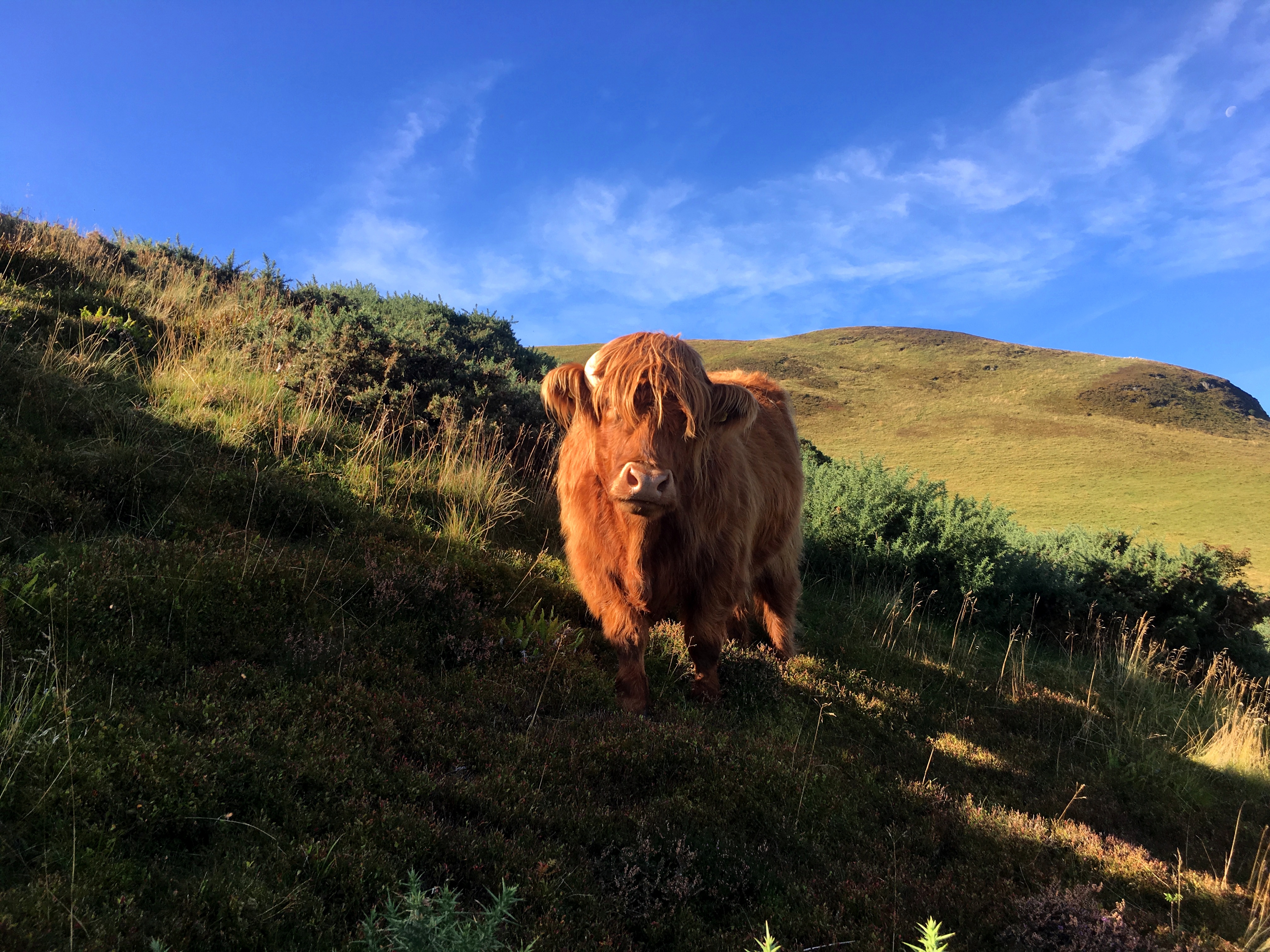
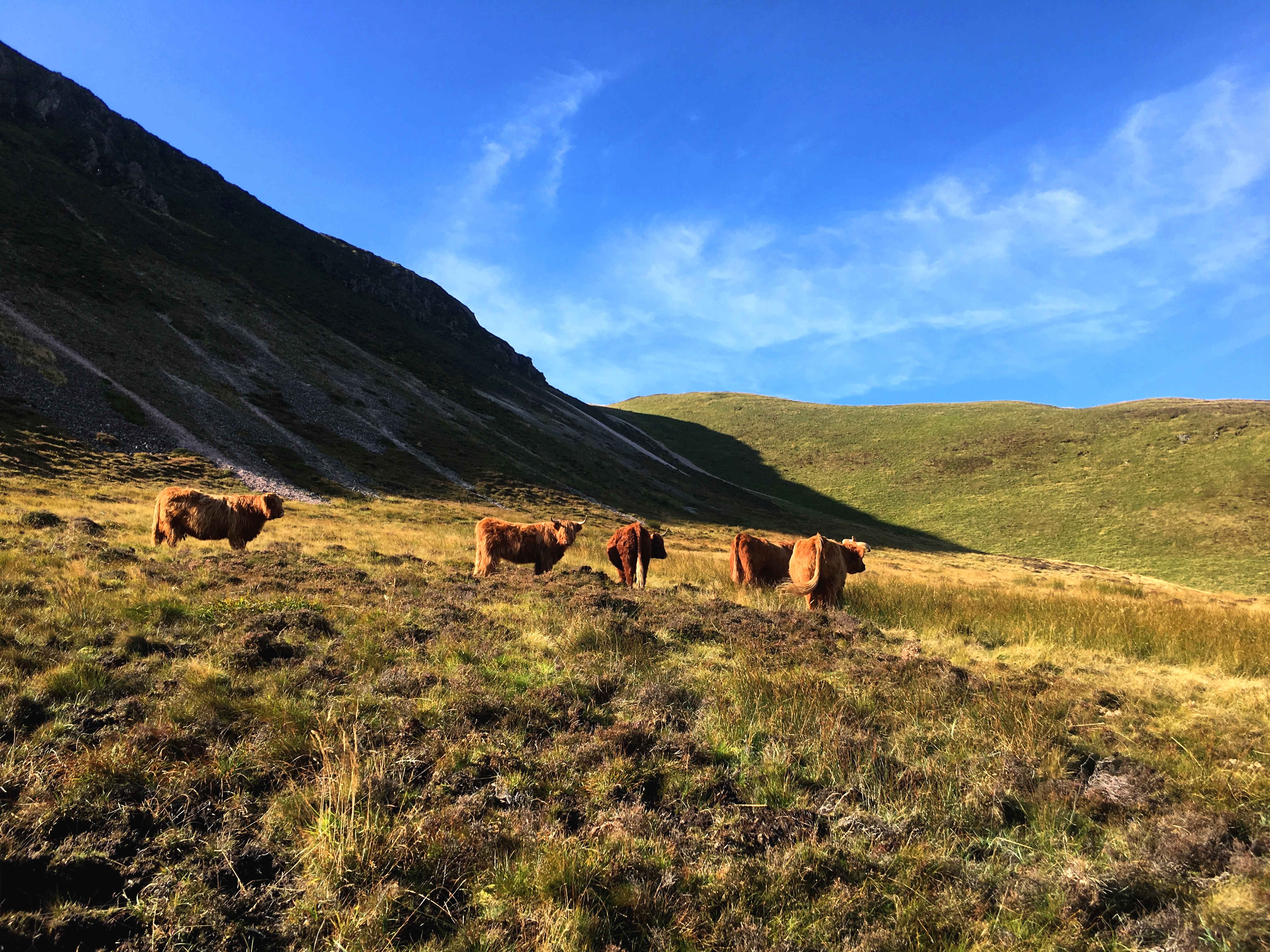
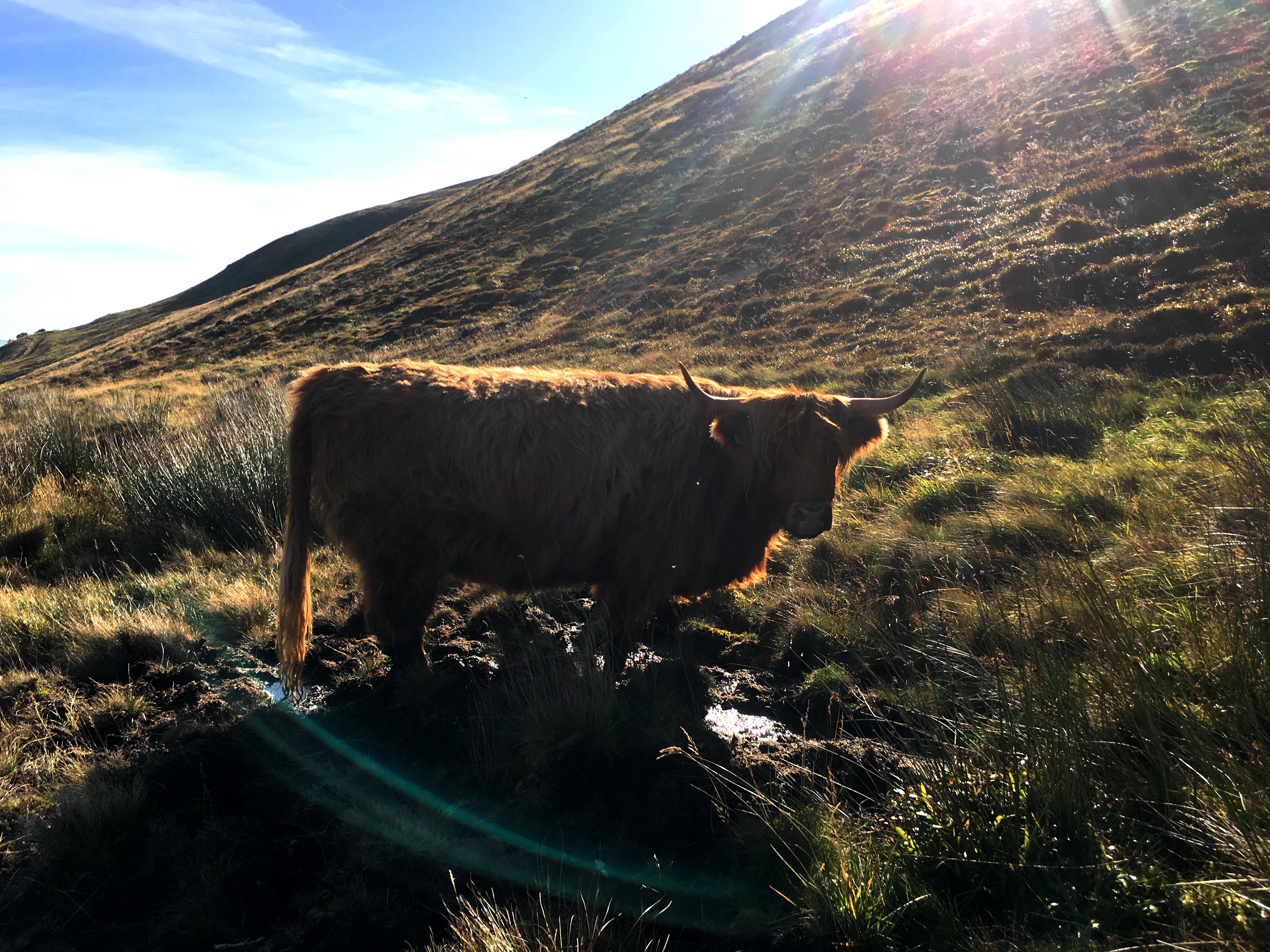
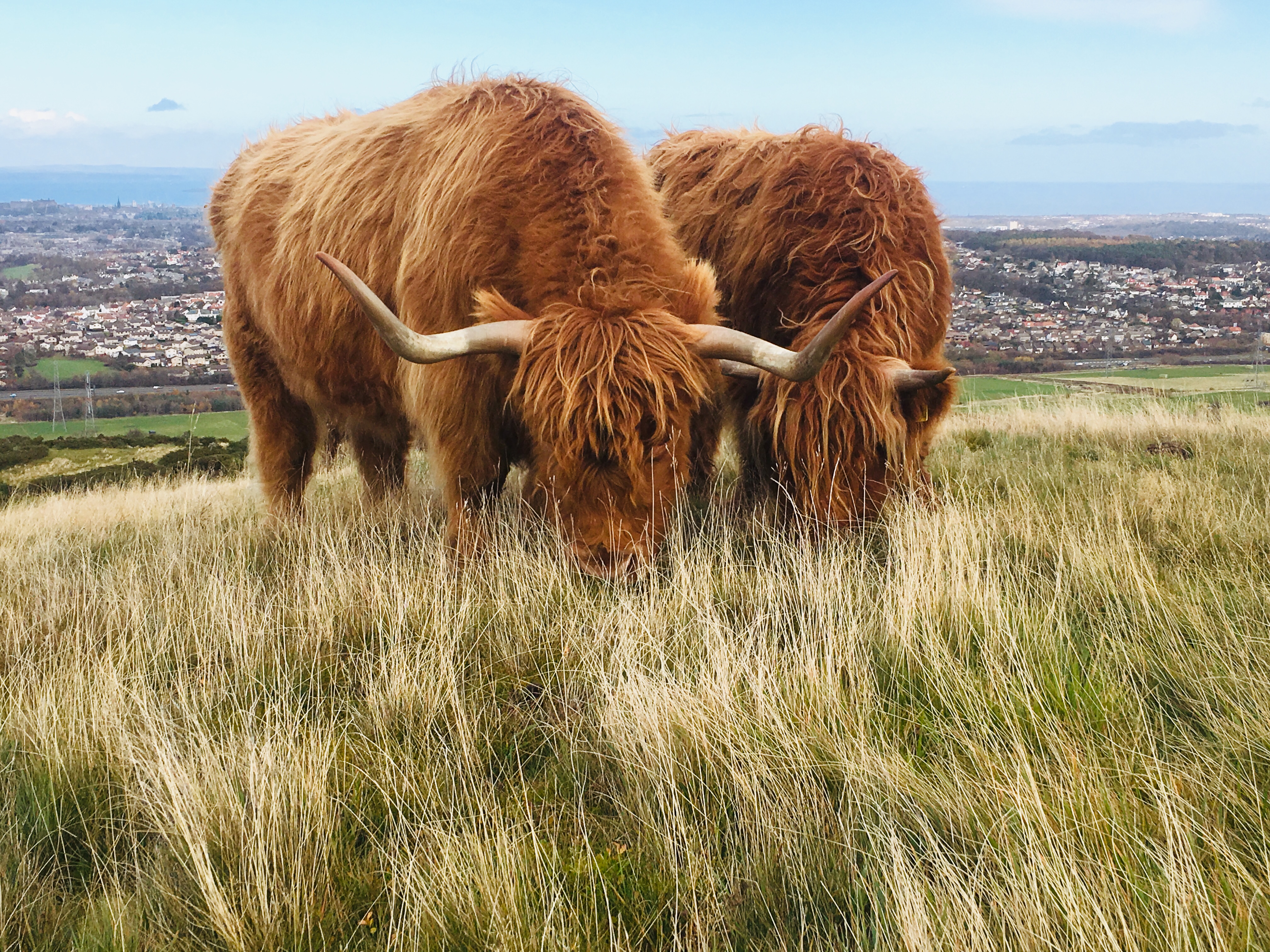
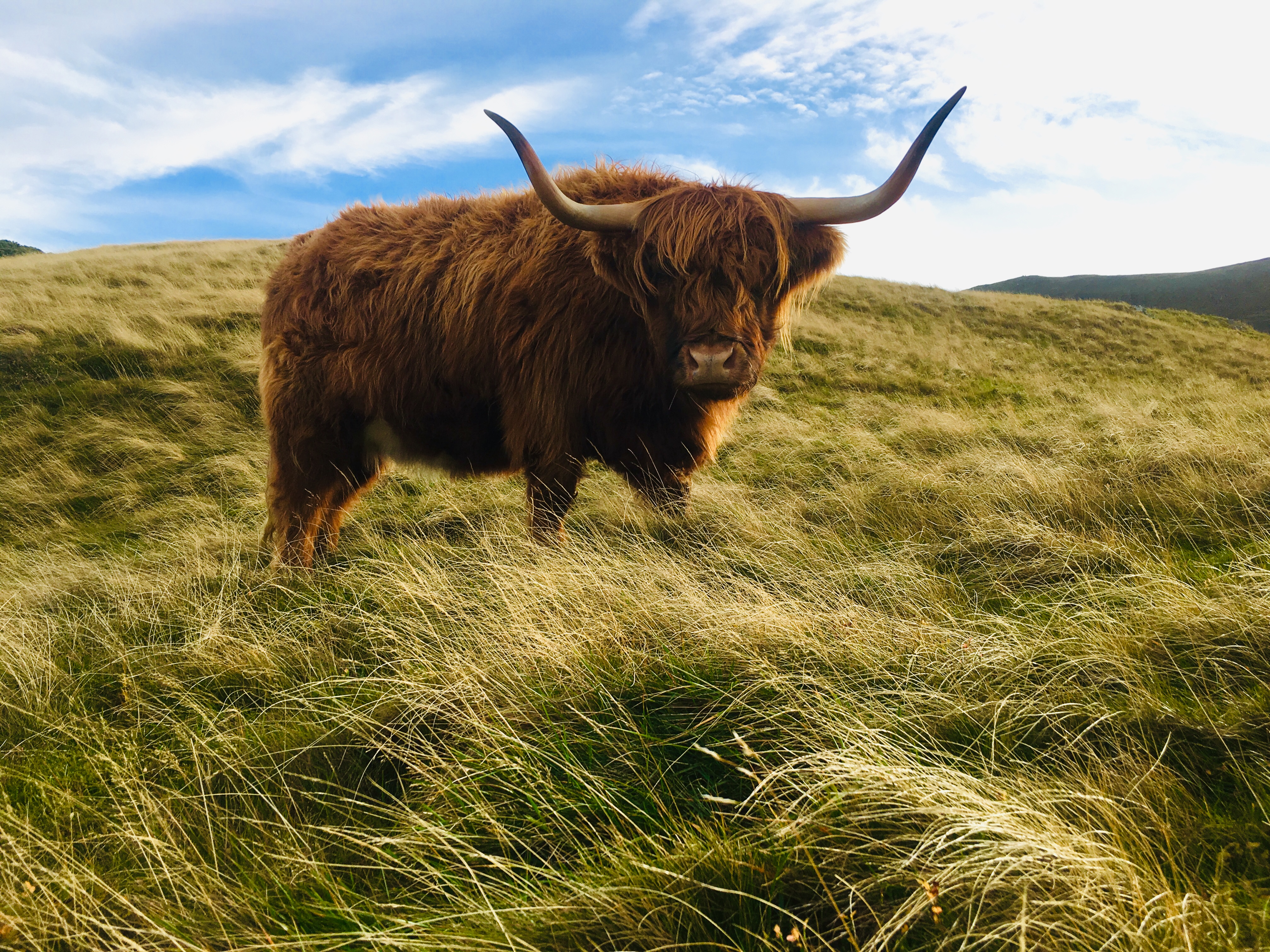
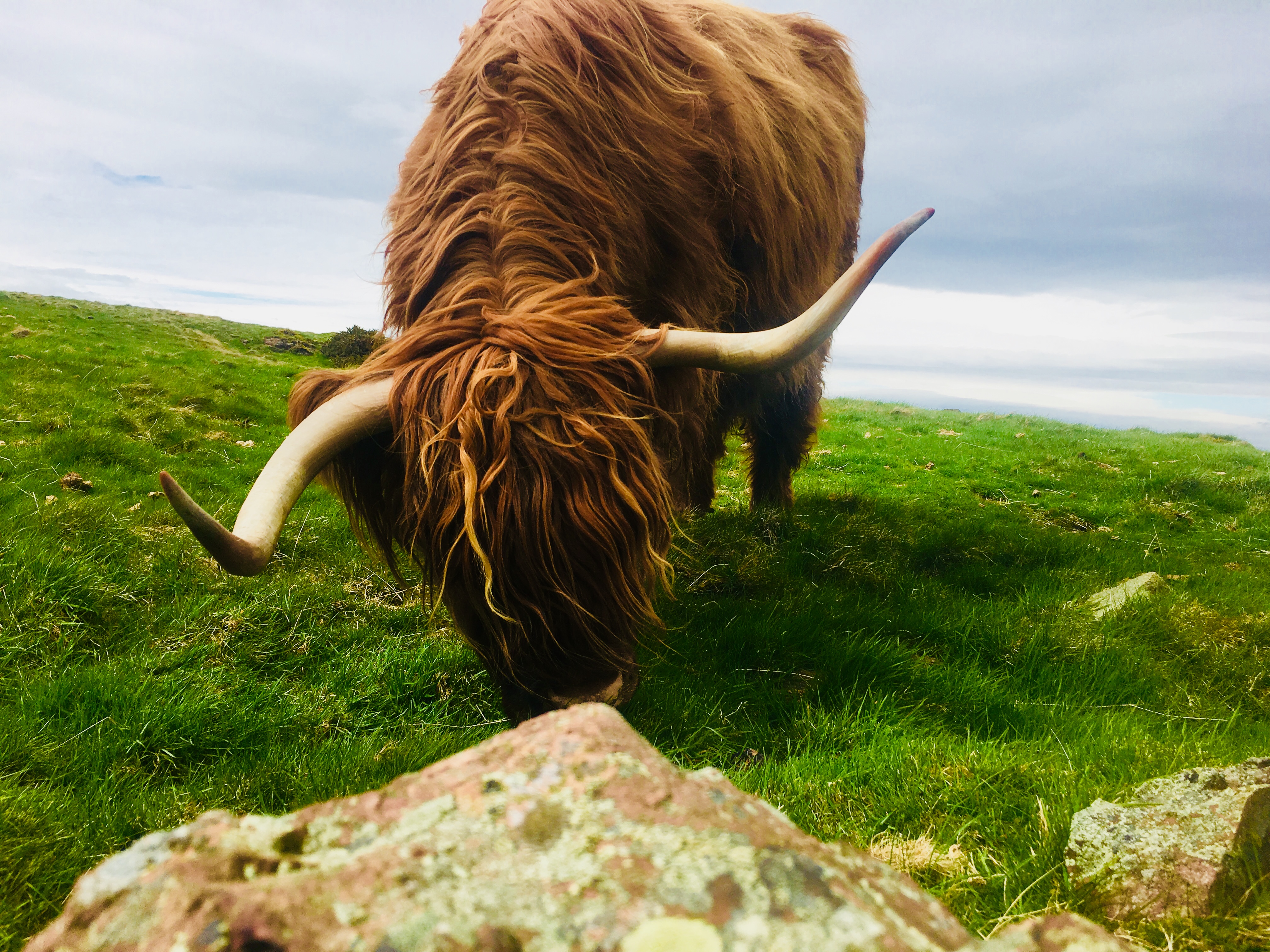
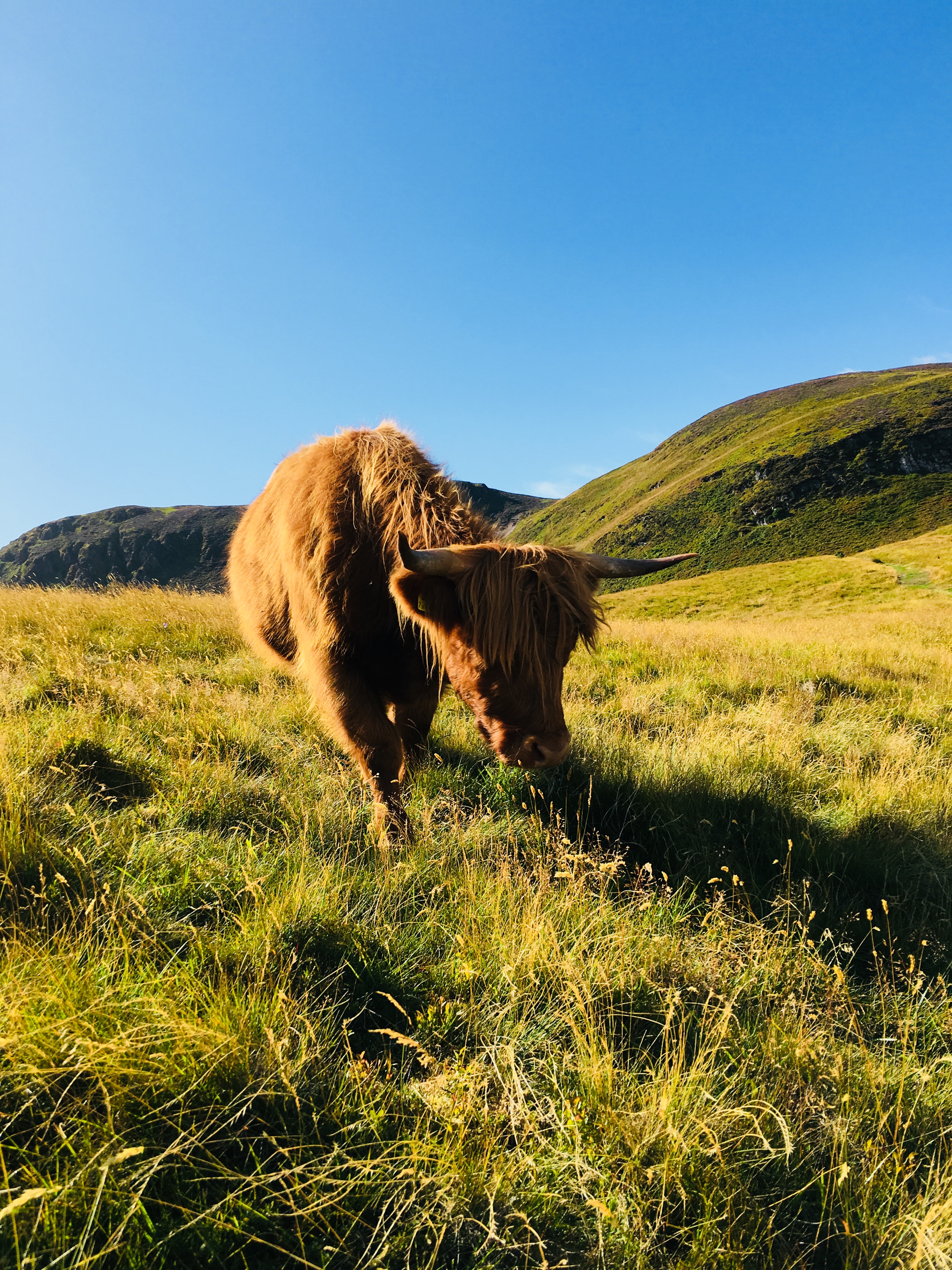
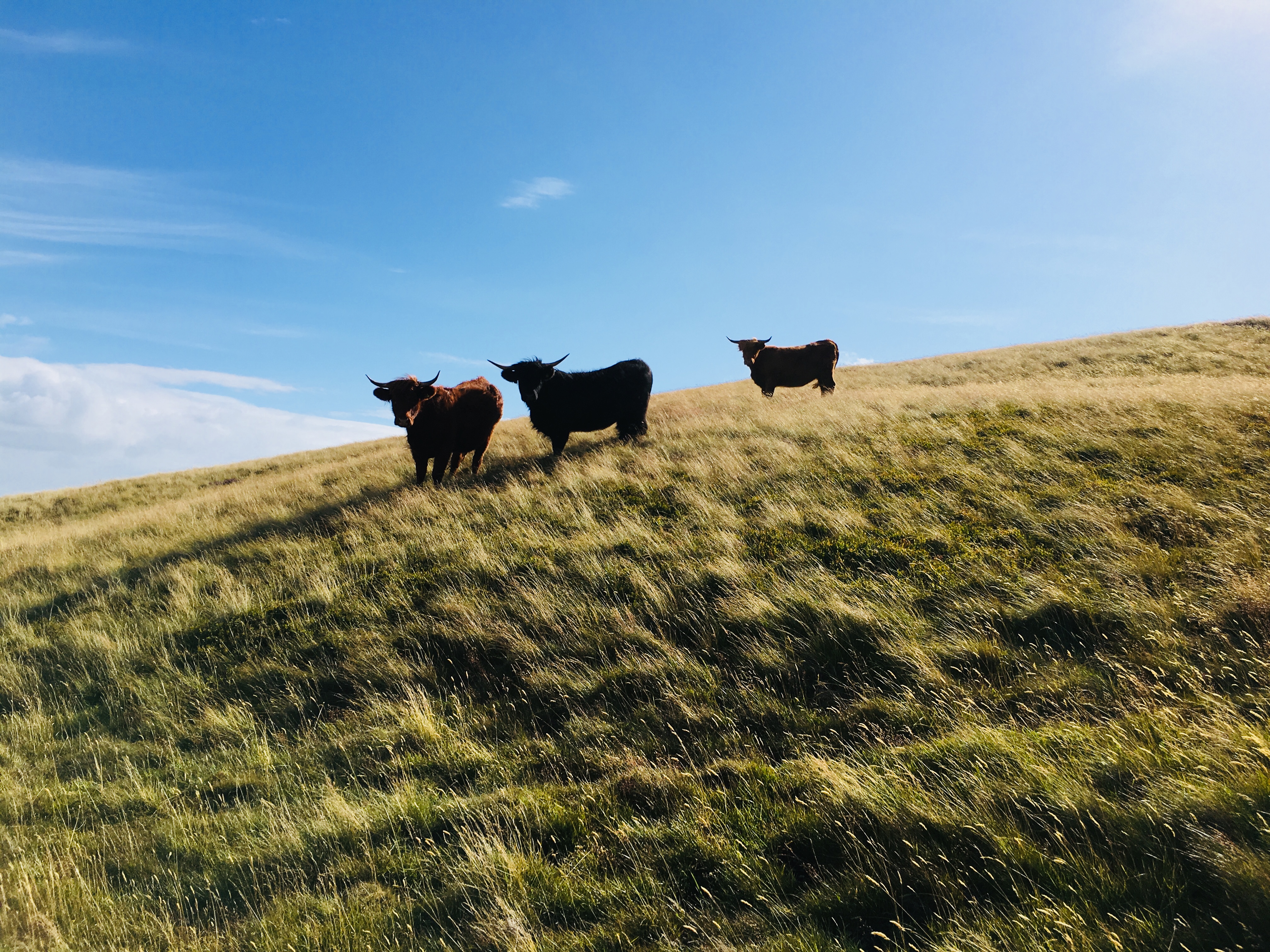
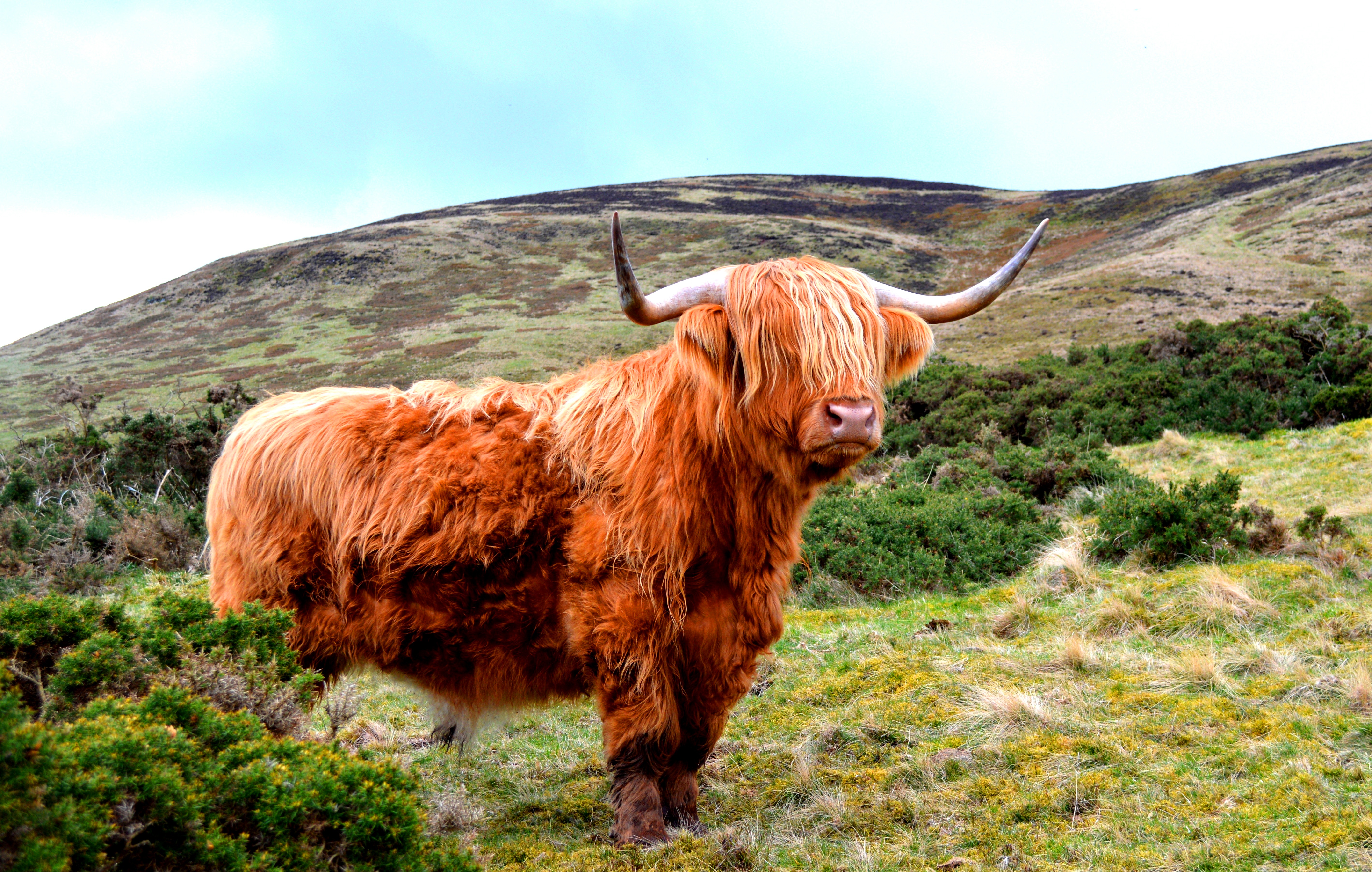
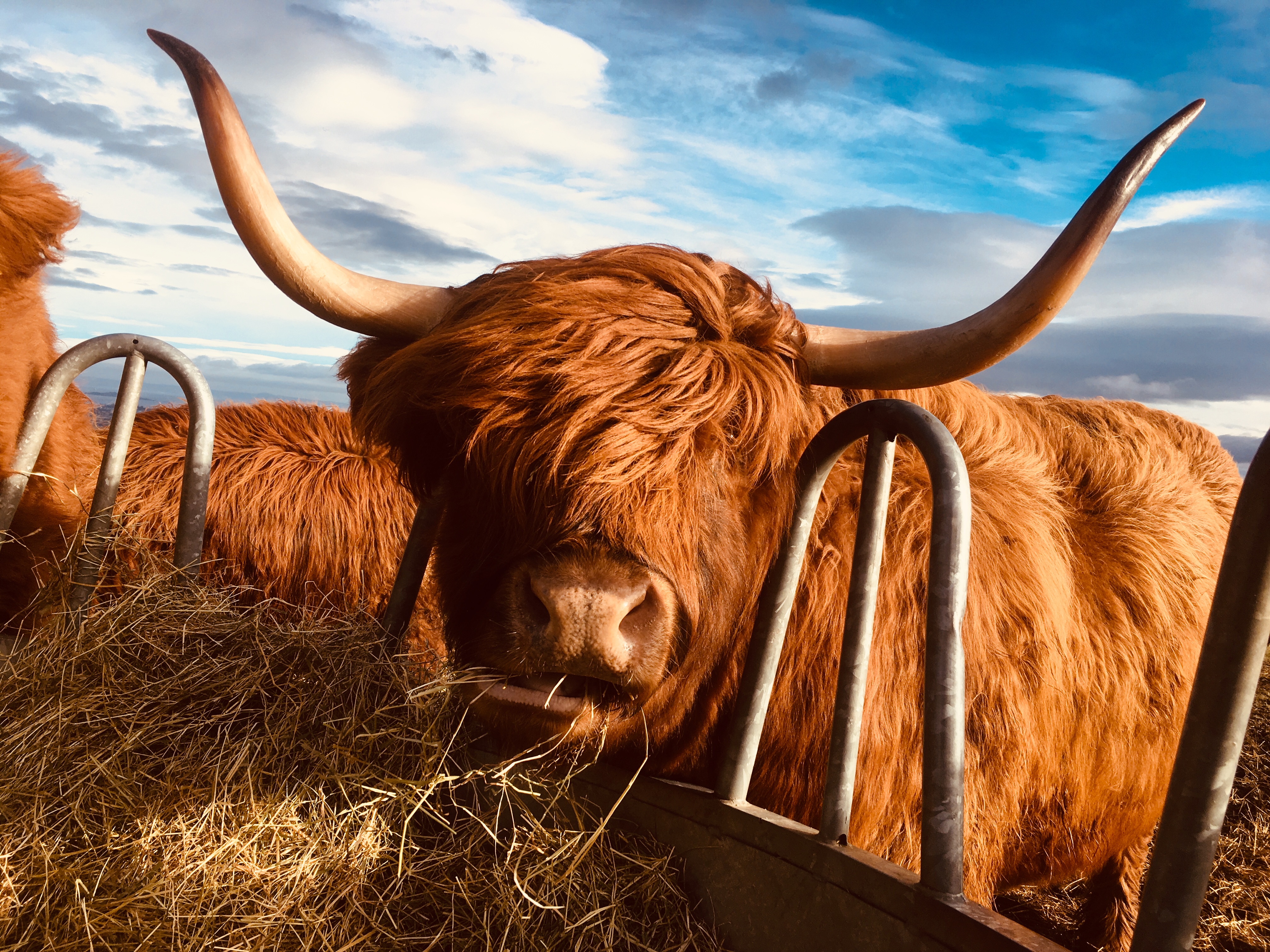
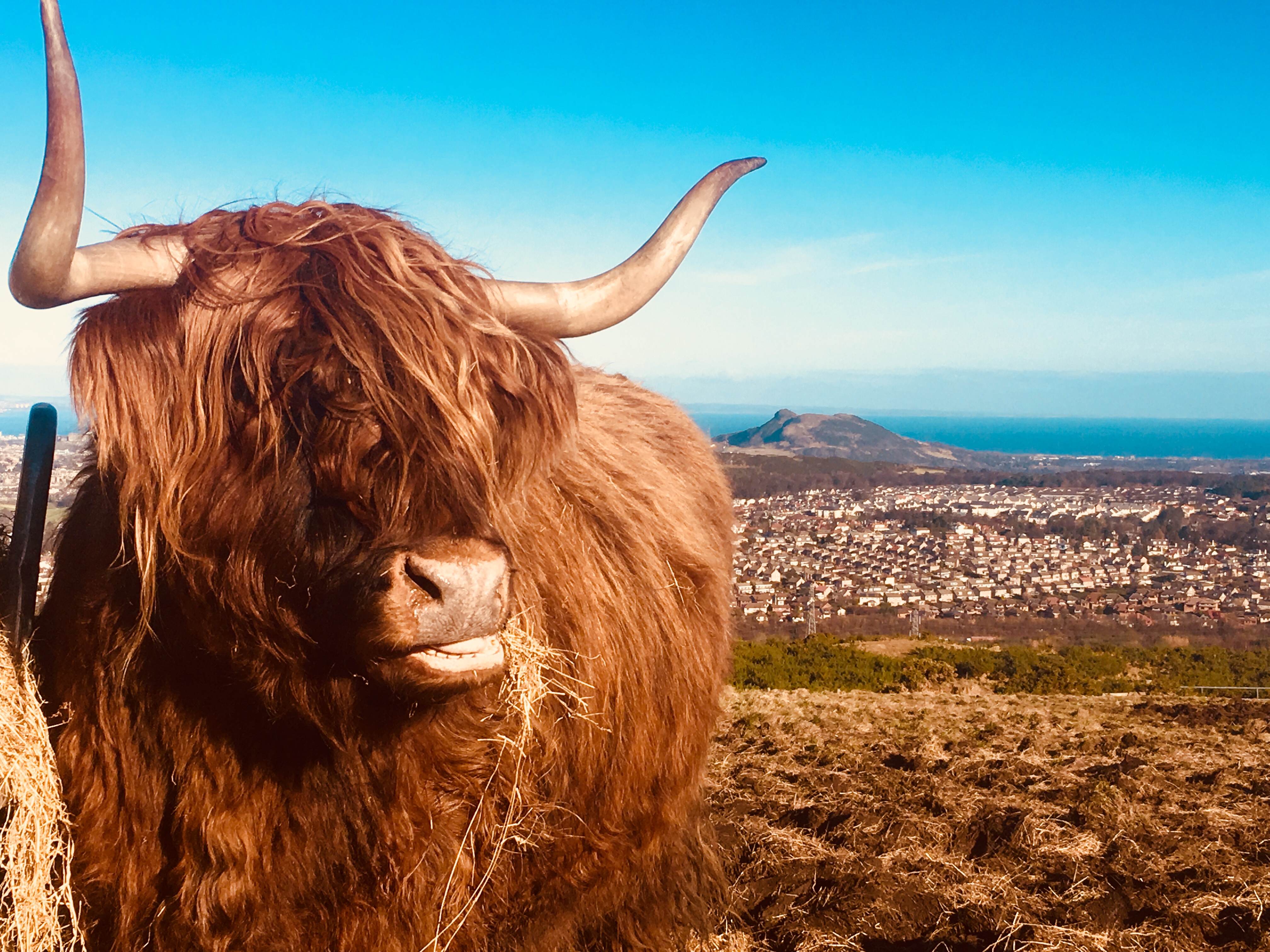
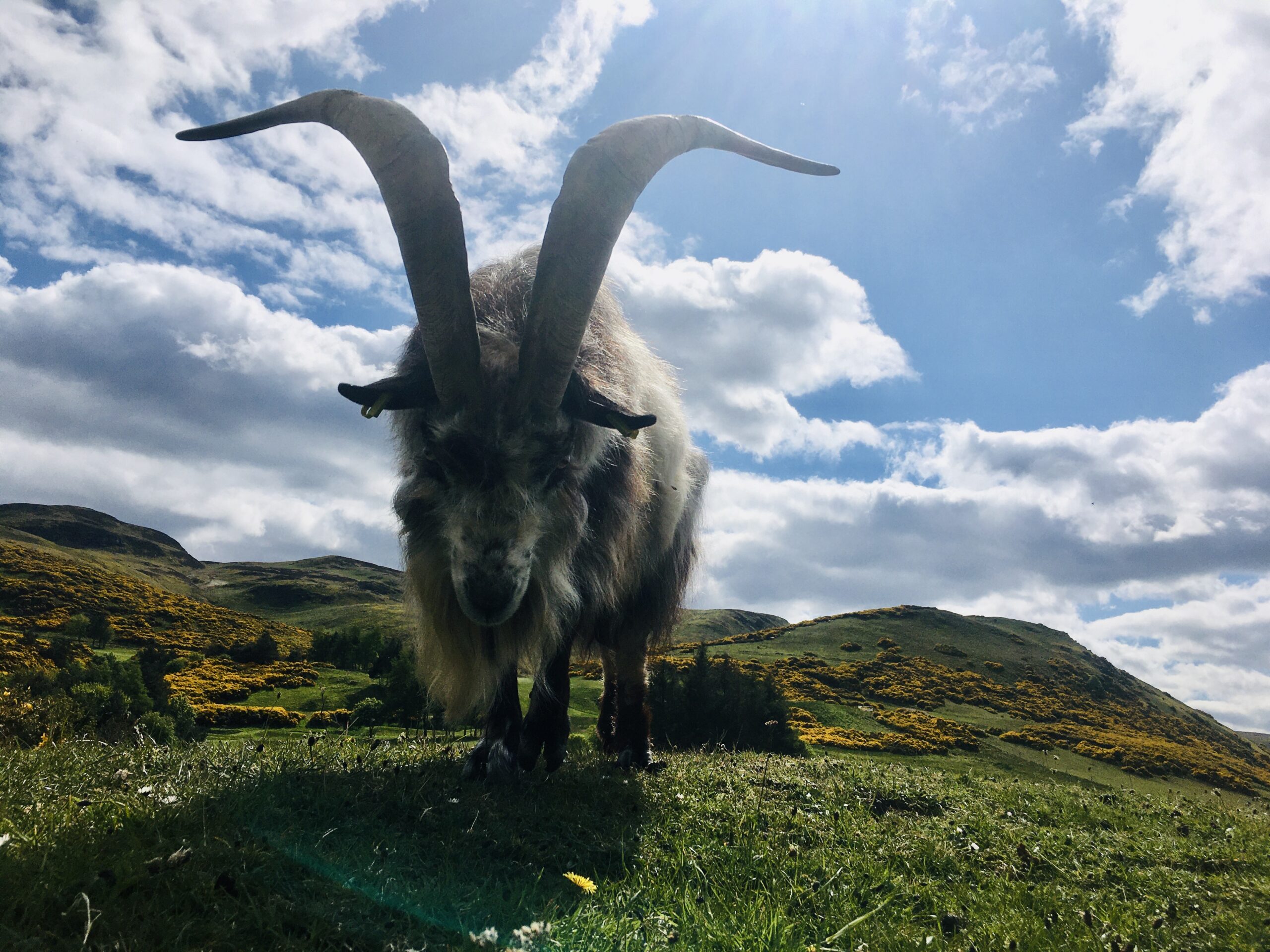
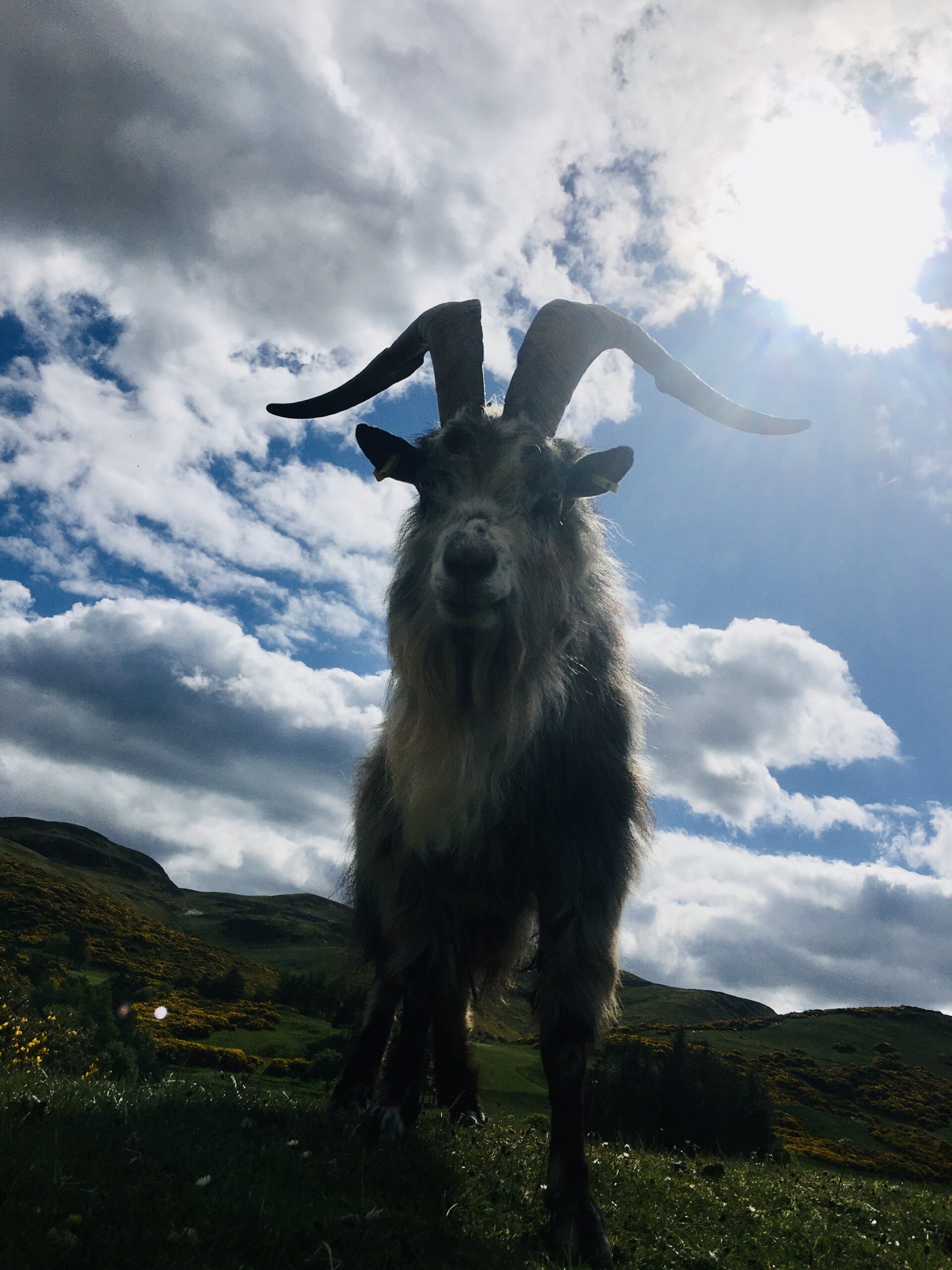
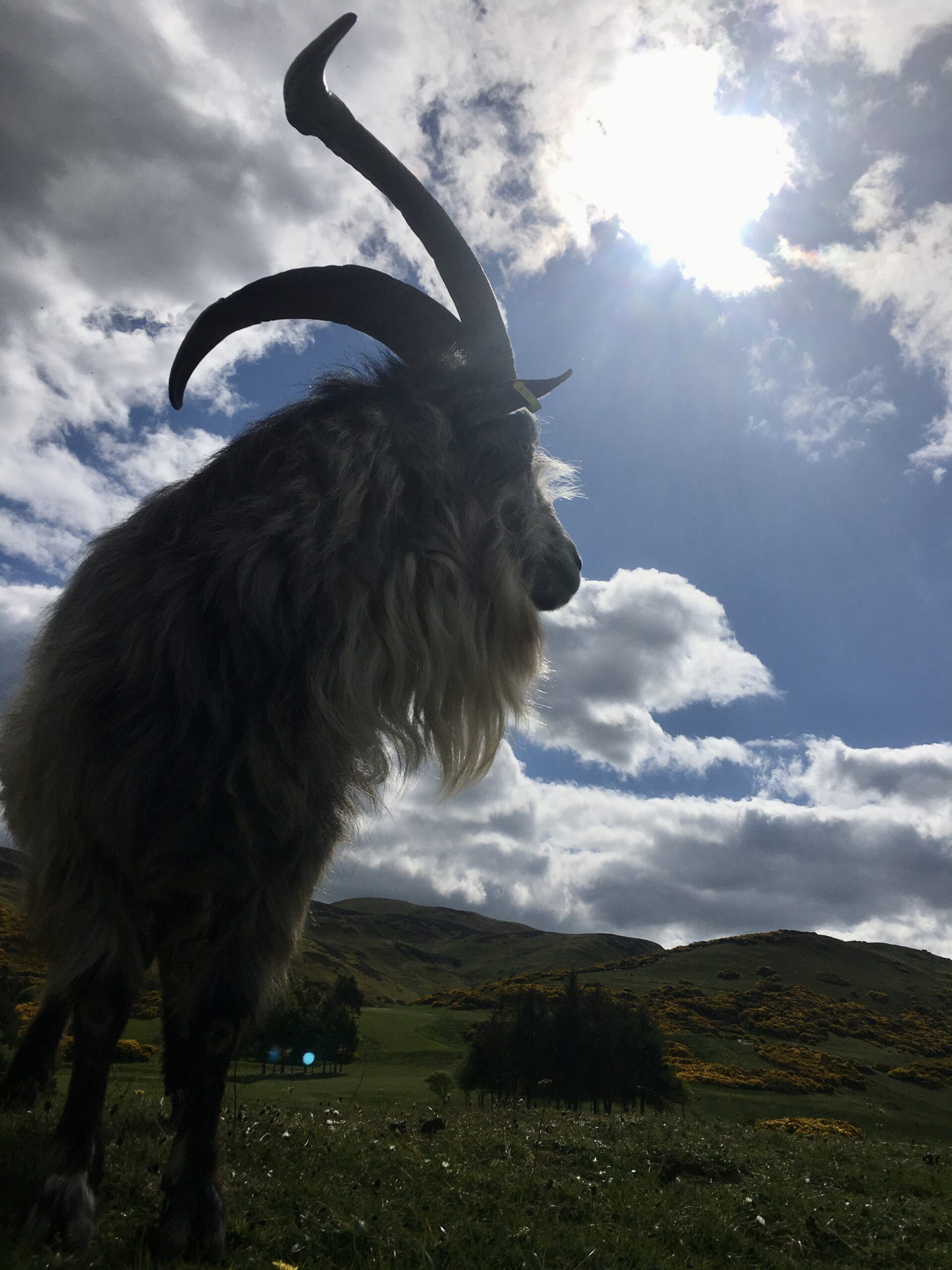
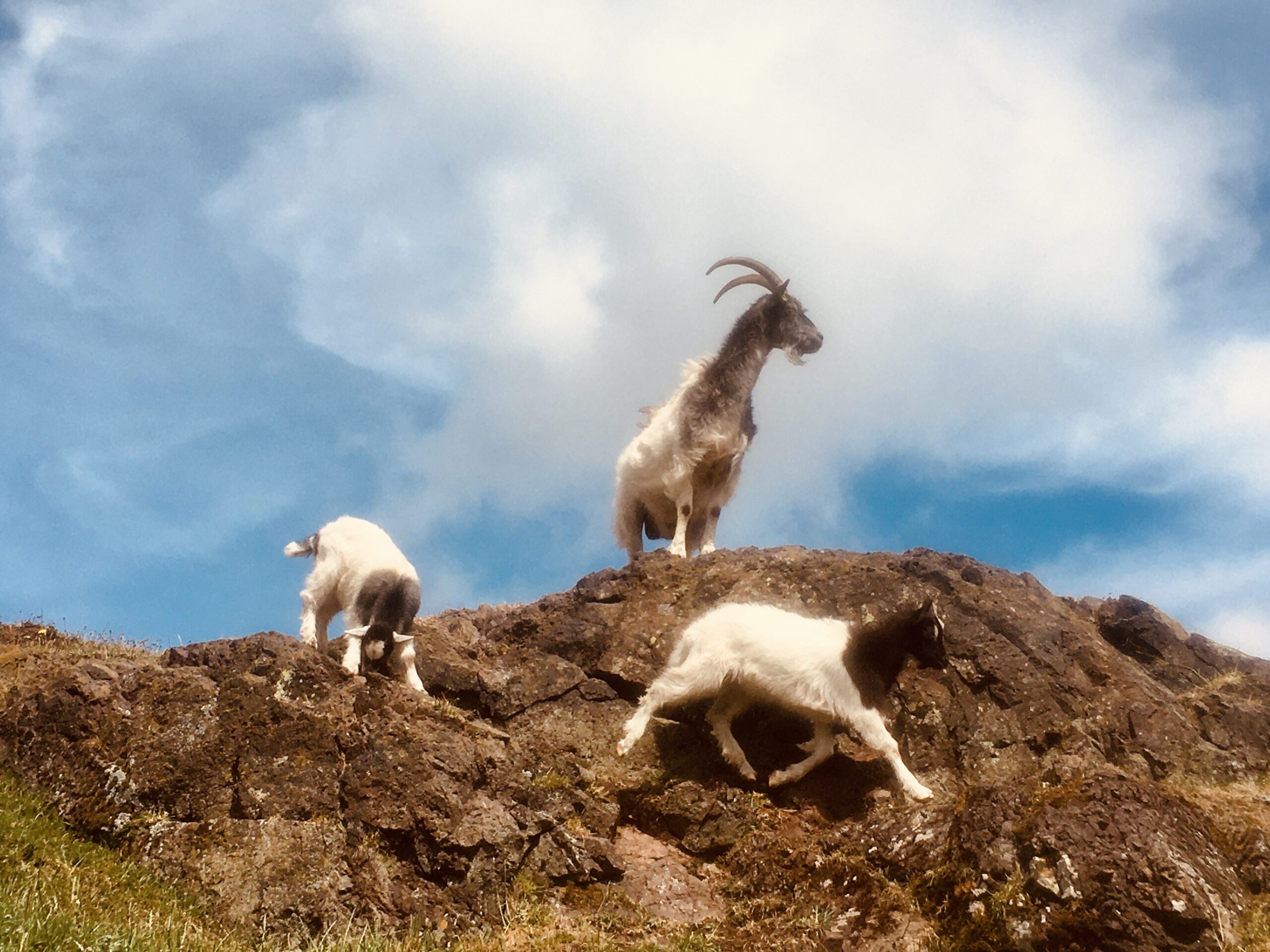
Gallery of our Highland Coos (click on images to enlarge):


GIFTS

GIFTS

Our Swanston Farm Highland Cows have a huge following all over the world and visitors to Edinburgh can take a self-guided walk up our hills to see if they can see our Highland Cows in their natural habitat.

We have a wonderful range of gifts available to purchase from our Brasserie, all designed and made in Scotland and the perfect size for fitting in to your luggage to take home your memento of Scotland's most beloved animals.

Head on up to our Brasserie where you can take a look at our full range on display behind the bar where you can ask to see any items and make your purchases.

Highland Cow oven gloves by artist Chloe Gardner
Oak chopping board
Morag the Highland Coo Squishy

Scottish animals chopping board (double sided) by artist Chloe Gardner
Scottish animals tea towel by artist Chloe Gardner

Stag drinks coaster by artist Chloe Gardner
Sheep soft toy
Mini Moo Keyring

Highland Cow washbag by artist Chloe Gardner
Highland Cow drinks coaster by artist Chloe Gardner
Highland Cow soft toy

Oak Medium paddle
Highland Cow Hip Flask
Highland Cow Linen Penny Purse

Slate Heart Home decorations
Slate Whisky Stones
Haggis the Highland Cow

Swanston Farm reusable coffee cup
Haggis the Highland Cow
Highland Cow Keyring

Highland Cow Whisky Glass Gift Set
Image shows 3 slate cubed whisky stones with tiny Highland Cow heads etched on to them, in a glass of whisky, on a linen coaster on a wooden table
Whisky Stones and linen coaster
Photograph shows a set of 6 slate cubed whisky stones with tiny Highland Cow heads etched on to them in a display box lying on grass
Whisky stones in display box

Photograph shows a pyramid stack of 6 slate cubed whisky stones with tiny Highland Cow heads etched on to them, on a wooden table
Whisky stones
Photograph shows a slate table board with the head of a Highland Cow etched on it
Slate table runner
Photograph shows a slate cheeseboard with a Highland Cow head etched on it, with a silver cheese knife lying across it, displayed on a wooden table
Slate cheese board & knife set

Photograph is of a wooden chopping board with a wooden handle and with a highland cow head etched on it. The board is lying on a grass background.
Oak paddle
Photograph is a close-up of a wooden chopping board with curved corners and with a wooden handle and with a highland cow head etched on it. The board is lying on a wooden table.
Oak hanging paddle
Photograph is a cream-coloured linen tea towel with a highland cow head printed on it. The tea towel is draped over a metal railing with a green hedge behind it for display.
Linen tea towel

vPhotograph shows a brown leather hip flash with metal lid and the head of a Highland Cow etched on the leather on the front. It is shown displayed on a grass background
Leather hip flask
Photograph shows a Navy blue ceramic butter dish with a wooden lid, slightly off-set for display purposes so you can see inside the item. The butter dish has the word 'Butter' embossed on the side. The lid has a highland cow head etched on the top. The butter dish is displayed on a wooden table.
Blue butter dish – available in navy, cream and teal
Photograph shows 3 folded and one open cream linen napkins with highland cow heads printed on them. They are displayed on a grass background.
4 Linen napkins

Photograph shows a folded pack of 4 cream linen napkins wrapped in a teal-coloured card label saying 'The Linen Table. Woven in Scotland. 4 Napkins' on it. The napkins all have highland cow heads printed on them. They are displayed on a wooden table.
4 Linen napkins
Photograph shows 2 wooden oak coasters, each with a highland cow head etched on them. They are wrapped in blue card with 'Scottish Made' printed on it. They are lying on grass for display purposes.
Oak coasters

Look around
FOOD & DRINK
SCOTTISH OUTDOOR ACCESS CODE
FRIENDS OF THE PENTLANDS
PENTLAND HILLS REGIONAL PARK

Pentland Hills Regional Park

Swanston Farm sits at the base of Caerketton Hill of the Pentland Hills and some of our land is part of the Pentland Hills Regional Park.  The Pentlands is often referred to as 'Edinburgh's Lungs' and is a stunning range of medium-sized hills that stretch from Swanston Farm down to Carlops and was designated in 1986.  The majority of the land in the Regional Park is in private ownership, with the City of Edinburgh Council, Midlothian Council and West Lothian Council all having statutory duties in relation to their constituent parts of the Park and the following aims were created and agreed by the three Councils:

  • To retain the essential character of the hills as a place for the peaceful enjoyment of the countryside;
  • Caring for the hills so that the landscape and the habitat is protected and enhanced;
  • Within this caring framework to encourage responsible public enjoyment of the hills;
  • Co-ordination of these aims so that they co-exist with farming and other land uses within the Pentland Hills Regional Park.

The Pentland Hills are formed from rocks that were formed 430 million years ago under the ocean. They were made from mud, silt and sand which was washed into the ocean that separated two continents. These two continents came together, and the rocks that had formed under the ocean were folded and uplifted to create land. A walk up to the Howe (to the west of Loganlea Reservoir) reveals these rocks in vertical layers in the hillside to the north of the stream.

The following period of volcanic activity produced most of the rocks and hills in the Regional Park. Volcanoes situated somewhere near Swanston and Colinton produced ash and lava, which created rocks 5000ft thick. A visit to any of the high hills of the Pentlands will allow you to pick up a rock produced by one of those ancient volcanoes.

The Pentland Hills were settled from earliest times, with the Gododdin or Votadini (the dominant Celtic tribe of the Lothians) settling, farming and defending their territories. These tribes would have witnessed the arrival of the Romans, with whom they co-existed (Agricola's army built their base at Cramond in AD 79).  The Pentlands have seen Sir Henri de Brad, the 12th Century Sheriff of Edinburgh, taking hunting parties over his lands around Glencorse and Robert the Bruce also frequented the area with his dogs, as he pursued the white stag.  The Pentland Rising of 1666 culminated in the Battle of Rullion Green. On a bleak November day over 50 Covenanters were killed at the hands of General Tam Dalziel of The Binns' army, as they fought to practice their Presbyterian faith. A memorial and plaque can be seen near the battlesite.

Water-supply developments began in the Pentland Hills as early as the 17th century, with the building of the cistern at Swanston. Construction began in earnest in the 19th century, with most of the area's reservoirs built during that time.

The Pentland Hills have historically been a source of inspiration to some of Scotland's most celebrated artists, poets and authors, including Allan Ramsay, Robert Ferguson, Sir Walter Scott, Will H Ogilvie and Robert Louis Stevenson (whose parents had a Summer home at Swanston Farm during his younger days).

There is so much to discover, explore and learn about the Pentland Hills Regional Park.  If you love nature and you care about the Hills find out how to get involved. You could become a Voluntary Ranger or you could donate towards new projects.

Find out more on the Pentland Hills Regional Park website.

NATURE SCOT

Nature Scot

NatureScot is Scotland's nature agency. They work to improve our natural environment in Scotland and inspire everyone to care more about it, so that all nature in Scotland – our key habitats and landscapes, all our green space and our native species – is maintained, enhanced and brings us benefits.

It is the job of all of us to achieve a balance in the sensitive management of our natural world in order to maintain and enhance biodiversity.

NatureScot is the lead public body responsible for advising Scottish Ministers on all matters relating to the natural heritage.

Their purpose is to:

  • promote, care for and improve our natural heritage
  • help people to enjoy nature responsibly
  • enable greater understanding and awareness of nature
  • promote the sustainable use of Scotland's natural heritage

They also advise local authorities and work with the Scottish Parliament and public, private and voluntary organisations towards shared aims.

Interested in Volunteering?

NatureScot offers people who truly care about the Scottish countryside many opportunities to work with them and their partners to help improve our natural environment and inspire others to care about it. NatureScot recognises that volunteers can significantly add value to the work they do whilst learning new skills and knowledge, improving their health and wellbeing and meeting new friends. Their aim is to develop a vibrant culture of environmental volunteering in Scotland.

Who can Volunteer?

Volunteering with NatureScot is open to all. Whether short or long-term, Volunteer placements are made on the basis of the suitability of the volunteer to carry out the particular role and the capacity of NatureScot staff to supervise the volunteer properly. They have no upper age limit and recognise the valuable contribution made by older volunteers, in terms of knowledge and experience.

Find out more about NatureScot on their website.

SCOTTISH WILDLIFE TRUST

Scottish Wildlife Trust

For over 50 years, the Scottish Wildlife Trust has worked with its members, partners and supporters in pursuit of its vision of healthy, resilient ecosystems across Scotland's land and seas.  Since its formation in April 1964, the Scottish Wildlife Trust has celebrated many achievements and has grown into Scotland's leading nature conservation charity.

The Trust successfully champions the cause of wildlife through policy and campaigning work, demonstrates best practice through practical conservation and innovative partnerships, and inspires people to take positive action through its education and engagement activities. It also manages a network of around 120 wildlife reserves across Scotland and is a member of the UK-wide Wildlife Trusts movement.  The Trust has been championing the incredible diversity of Scotland's wildlife for over 50 years; from lichens, wood ants and butterflies, to golden eagles, basking sharks and beavers.

Home to over 90,000 species, Scotland has a rich and diverse natural history which attracts thousands of wildlife-enthusiasts each year.

Scotland's land, seas and skies support a wide range of native mammals and birds, as well as six amphibians, four reptiles and over 50,000 different invertebrates.

Since employing its first member of staff in 1965, the Trust has grown considerably in both strength and number.

The passion and dedication of their staff and volunteers help the Trust to achieve their goals.

If you are interested in joining the Scottish Wildlife Trust workforce, whether as a member of staff or as a volunteer, they would love to hear from you.

Find out more about the Scottish Wildlife Trust, including things to do, how to help wildlife, how to donate, adopt an animal, become a member or volunteer and much, much more here.

  • The Farm
  • Brasserie
  • Cottages
  • Offices
  • Livery
  • Things to do
  • Events
  • Contact
Swanston Farm Ltd
111 Swanston Road
Edinburgh
EH10 7DS
T: +44 (0) 131 445 2239
E: mail@swanston.co.uk
Copyright © Swanston 2025 | All Rights Reserved | Designed & built by SBP Creative
Page load link